
Construction Safety Boots: How to Choose the Perfect Fit for Long Shifts
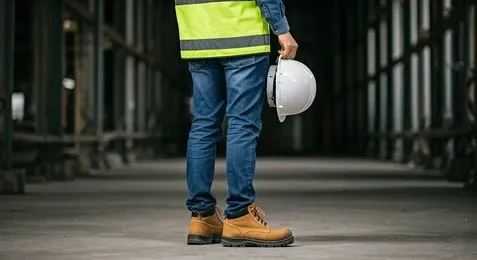
When it comes to working on a construction site, your feet are your foundation. Choosing the right construction safety boots is essential for protection, comfort, and long-term foot health. At Safety Workwear, we stock top-quality boots from trusted brands like Steel Blue, Caterpillar, U-Power, Dunlop, and No Risk, designed to meet the demands of construction environments. Whether you’re climbing ladders, walking across uneven terrain, or working in wet and muddy conditions, the right pair of boots ensures safety and performance throughout long shifts.
Why Construction Safety Boots Are Essential
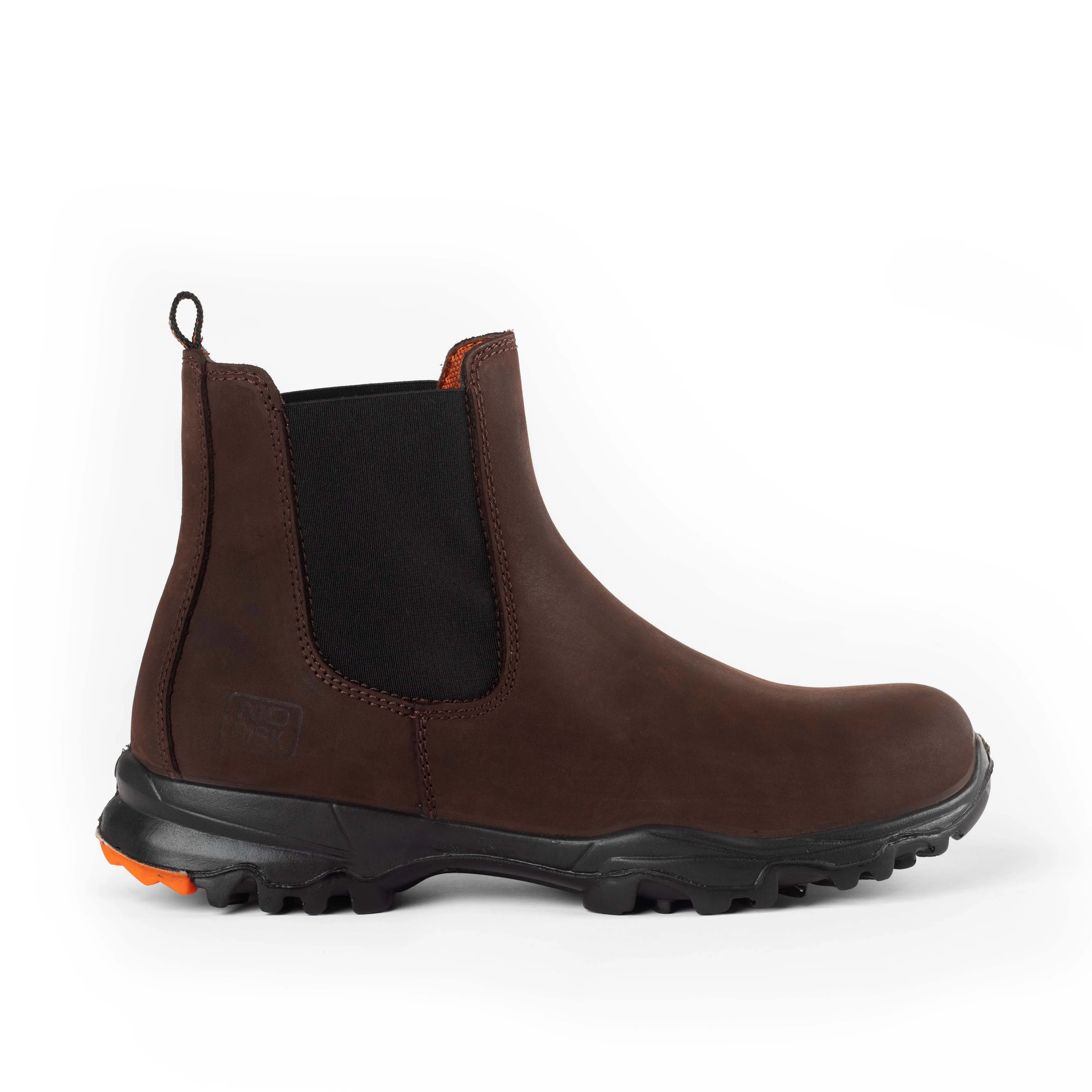
Construction sites are full of hazards, from falling tools to slippery surfaces. Wearing proper construction safety boots can prevent serious injuries while keeping you comfortable all day. Modern boots combine steel toe boots for impact protection, puncture-resistant boots for sharp objects, and slip-resistant soles for safe footing. Investing in high-quality construction footwear from reputable brands ensures that you are protected and productive on site.
In addition, heavy-duty work boots are specifically engineered to withstand the stresses of construction environments, while site safety shoes protect against common risks that regular footwear cannot handle. Without proper footwear, long shifts can lead to fatigue, foot pain, or even long-term injury.
Key Features to Look For
Choosing the right pair of construction boots involves evaluating features that contribute to both safety and comfort. Here are the main points to consider:
1. Toe Protection
Steel toe boots are the industry standard for maximum protection. For workers who require non-metal options, composite toe boots are lightweight yet strong, providing similar impact protection.
2. Sole Grip and Slip Resistance
Slips and falls are common on busy construction sites. Slip-resistant safety boots with rugged treads offer excellent traction on wet, oily, or uneven surfaces.
3. Midsole Puncture Protection
Sharp objects like nails or scrap metal can easily penetrate standard footwear. Puncture-resistant boots with reinforced midsoles prevent injuries from hidden hazards on the ground.
4. Comfort for Long Shifts
A comfortable boot is critical for long days. Look for comfortable safety boots featuring cushioned work boots insoles and breathable materials. Boots with ankle support safety boots designs reduce fatigue and help prevent injuries from uneven surfaces.
5. Waterproofing and Breathability
Weather can be unpredictable on construction sites. Waterproof safety boots keep your feet dry in wet conditions, while breathable work boots prevent overheating. Leather work boots often strike the perfect balance between durability, protection, and comfort.
Best Brands for Construction Safety Boots
At Safety Workwear, we pride ourselves on stocking only trusted brands that prioritize safety and comfort:
- Steel Blue – Known for rugged steel toe boots and ergonomic design.
- Caterpillar – Offers heavy-duty work boots suitable for the toughest sites.
- U-Power – Lightweight and cushioned, ideal for long shift work boots.
- No Risk – Stylish cushioned work boots for all-day comfort.
- Dunlop – Durable, waterproof safety boots perfect for wet conditions.
These brands ensure that you’re not only meeting safety standards but also enjoying comfort during long workdays.
Choosing the Right Fit
A proper fit is critical for both safety and comfort. Follow these steps to ensure you select the right pair:
- Measure Your Feet at the End of the Day – Feet expand after standing or walking all day.
- Try Boots With the Socks You’ll Wear on Site – This ensures accurate sizing.
- Check Toe Room – Your toes should move comfortably inside your construction safety boots.
- Walk Around the Store – Ensure your boots support arches and heels.
- Consider Half a Size Up – Extra room can prevent blisters during long shifts.
Maintenance Tips for Longevity
Proper maintenance keeps your boots safe and comfortable longer:
- Remove dirt and debris daily.
- Condition leather work boots to prevent cracking.
- Dry away from direct heat sources.
- Replace worn-out insoles to maintain comfortable safety boots performance.
Following these simple steps extends the life of your footwear, ensuring your work boots for construction remain safe and reliable.
Frequently Asked Questions (FAQ)
1. What makes construction safety boots different from regular work boots?
Construction safety boots include reinforced toes, slip-resistant soles, and puncture-resistant boots midsoles that protect against site-specific hazards.
2. Can I wear construction safety boots for long shifts comfortably?
Yes. Brands like Steel Blue and U-Power offer long shift work boots designed with cushioned insoles and ankle support safety boots to reduce fatigue.
3. Are steel toe boots better than composite toe boots?
Steel toe boots provide maximum protection, while composite toe boots are lighter and ideal for areas requiring metal-free footwear.
4. How do I know my boots are waterproof?
Check the manufacturer’s description. Boots from Dunlop and Caterpillar at Safety Workwear are specifically designed with waterproof safety boots technology.
5. How often should I replace construction safety boots?
Replace them every 1–3 years depending on usage or when comfort and protection begin to decline.
Conclusion: Step Into Safety with Safety Workwear
Choosing the right construction safety boots is an investment in your safety, comfort, and productivity. At Safety Workwear, we offer boots from Steel Blue, Caterpillar, Dunlop, and No Risk, providing superior protection, durability, and comfort. Look for features like steel toe boots, slip-resistant safety boots, and cushioned work boots to keep your feet safe and energized during long shifts.
MOST RECENT ARTICLES

Mens Work Boots Ireland: Which Are the Best to Buy in 2026?
read more
Safety Work Boots Ireland: What Safety Standards Should You Check?
read more
Snickers Workwear Ireland: What Makes It Different from Other Workwear?
read more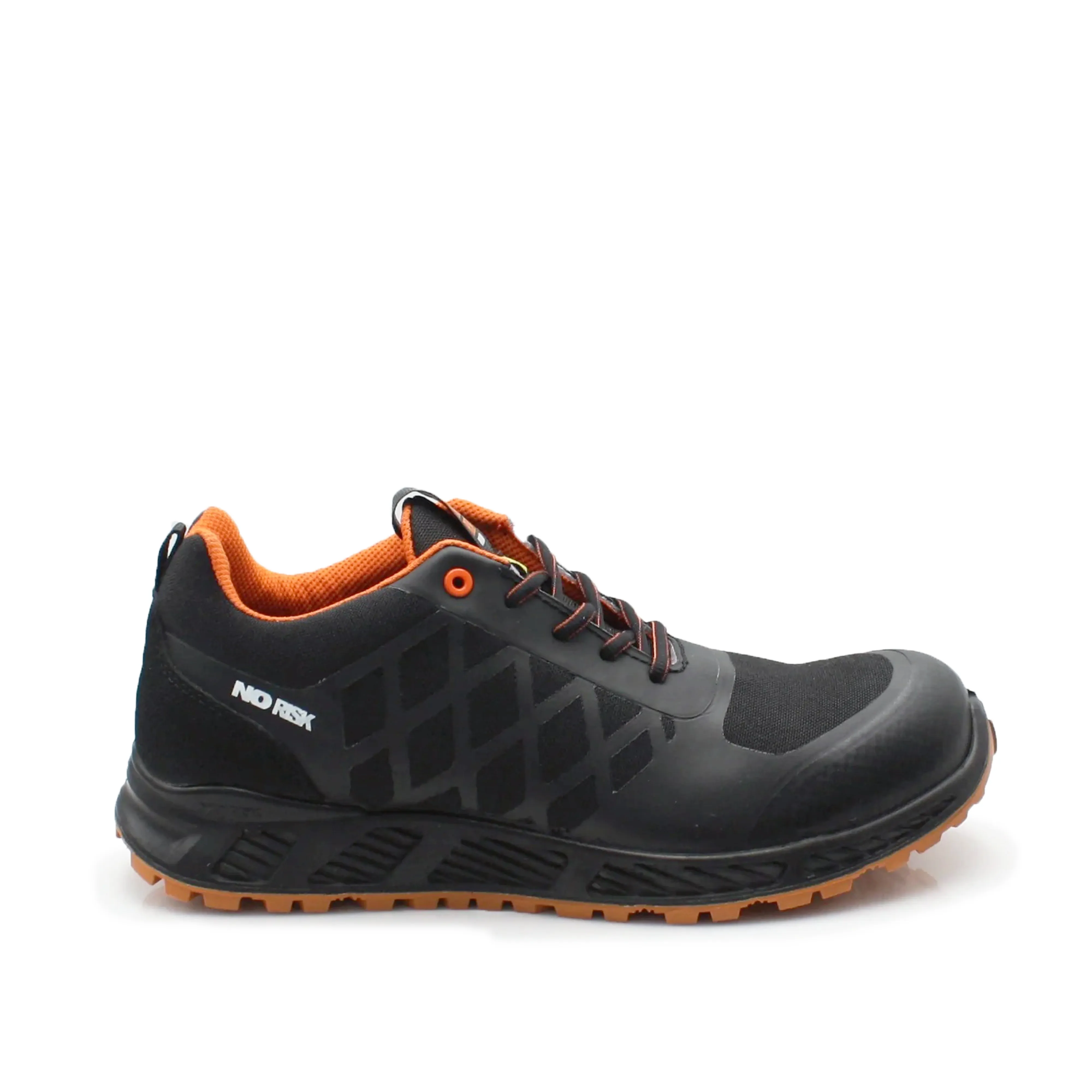
Safety Trainers Ireland: What Should You Look for Before Buying?
read more