
Buying Work Boots in Ireland? Avoid These Mistakes and Choose the Right Pair
Choosing the right work boots in Ireland can feel confusing, especially when there are so many styles, brands, and safety ratings. Many workers end up buying a pair that looks good but fails when it matters the most — on the job.
Whether you work in construction, farming, logistics, or industrial settings, the wrong boots can cause discomfort, reduced productivity, and even injuries. That’s why understanding what to look for is essential. In this guide, we’ll explore the most common mistakes people make when buying safety boots in Ireland, and how to avoid them so you choose the perfect pair for your needs.
1. Ignoring Safety Standards — The Biggest Mistake
When buying work footwear, safety should always come first. Many customers buy boots based on looks or price and forget to check safety certifications.
In Ireland and across Europe, the standard to look for is EN ISO 20345. This ensures the boots offer minimum protection such as:
Toe protection (200 joules)
Anti-slip soles
Puncture-resistant midsoles
Shock absorption
Electrical resistance (depending on model)
Trusted Brands That Meet Safety Standards
At Safety Workwear Ireland, we only stock brands that meet or exceed these standards, including:
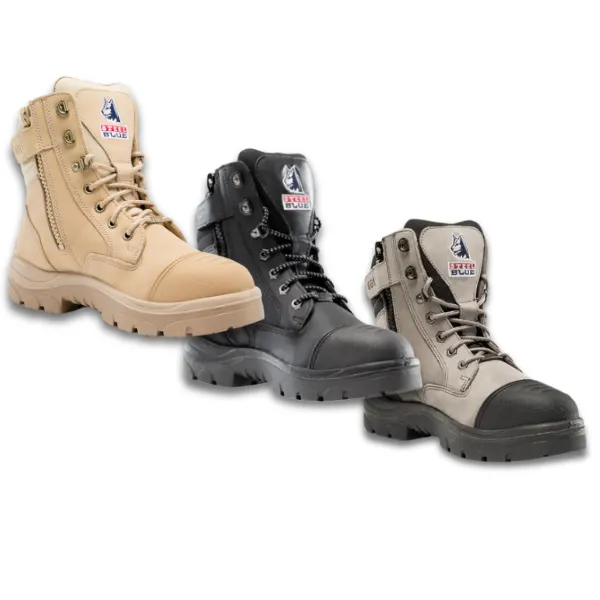
Steel Blue – Known for long-lasting comfort, anti-fatigue soles, and airport-friendly composite toe caps.
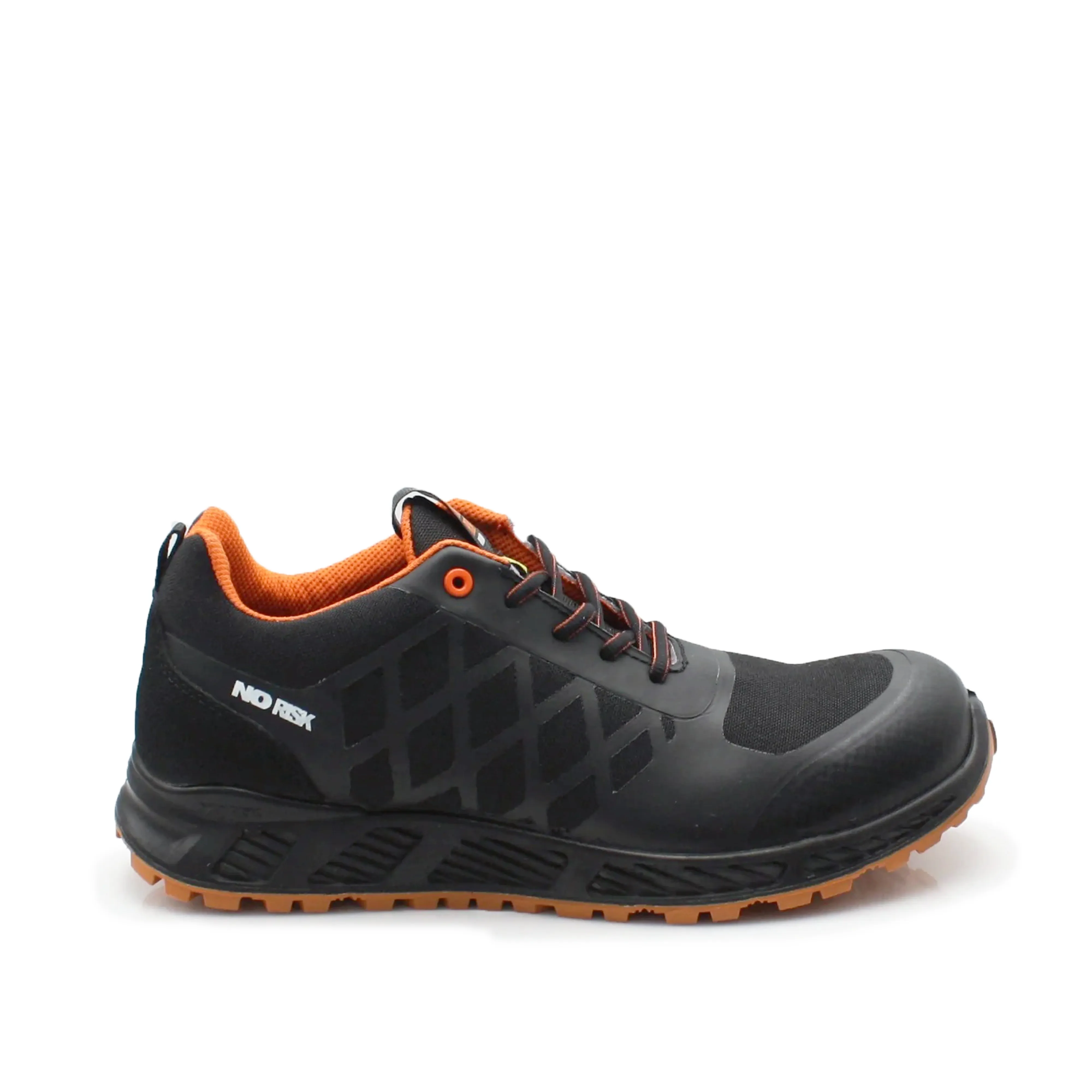
No Risk – Popular with builders and farmers for their durability and strong leather upper.
Rockfall – Designed for harsh industrial environments with advanced toe and metatarsal protection.
Dunlop – Ideal for wet and muddy conditions, especially in agriculture and food industries.
Choosing certified, reputable brands helps you avoid poor-quality boots that won’t protect you when you need it most.
2. Choosing the Wrong Boot for Your Industry
Another common mistake is choosing boots that don’t match your work environment. Even high-quality boots won’t perform well if they’re not designed for your job.
Construction & Engineering
Workers in construction need heavy-duty safety boots with features such as:
Steel or composite toe caps
Puncture-resistant midsoles
Slip-resistant outsoles
Support for long hours standing
Popular picks include Steel Blue Southern Cross Zip and No Risk X-Treme Safety Boots.
Agriculture & Farming
For farmers, waterproofing and grip are essential.
Boots like Dunlop Purofort Thermo+ or Techno Rigger Boots provide insulation, warmth, and full waterproof protection.
Warehousing & Logistics
In these settings, comfort, flexibility, and lightweight materials matter.
Many workers prefer safety trainers such as Proman Boston Safety Trainers or Rockfall Fly Safety Trainers.
Selecting the right boot helps prevent injuries and supports comfort throughout your shift.
3. Forgetting About Fit and Comfort
Safety boots are not like everyday shoes — a bad fit can cause pain, blisters, or long-term foot problems. Many people in Ireland choose boots that are too big or too narrow.
How to Choose the Right Fit
Try boots with the socks you normally wear to work.
Make sure there's enough toe room without slipping at the heel.
Choose cushioned insoles for all-day comfort.
Look for anatomical designs like those offered by Steel Blue, which reduce foot fatigue.
If you work long shifts or spend the day on your feet, the comfort of your boots shouldn't be optional — it should be a priority.
4. Not Considering Weather and Work Conditions
Ireland’s weather is unpredictable. Wet conditions can make surfaces slippery, and cold temperatures can affect comfort and safety.
Waterproof vs. Water-Resistant
Waterproof boots, like Dunlop wellingtons, are ideal for farming, outdoor construction, and food industries.
Water-resistant boots such as Snickers Solid Gear Adapt Mid offer protection against light rain and moisture.
Insulation for Cold Weather
If you work outdoors during winter, insulated boots prevent numbness and discomfort.
5. Ignoring the Sole Type
Different jobs require different outsoles. One mistake people often make is buying work boots with the wrong sole for their environment.
Types of Outsoles
SRC Slip-Resistant Soles – Best for wet or oily floors.
Heat-Resistant Soles (HRO) – Ideal for welding, metalwork, and road paving.
Chemical-Resistant Soles – Required in industrial or laboratory settings.
Brands like Rockfall and Proman offer specialised outsole technology designed for maximum protection.
6. Choosing the Cheapest Option
It’s tempting to buy the cheapest boots, but low-quality footwear often lacks durability, comfort, and proper safety features.
Instead, choose well-known brands tested by workers in real conditions. You’ll spend a little more upfront, but you’ll save money in the long run because the boots last longer and perform better.
7. Not Replacing Boots When Needed
Many workers continue wearing worn-out boots because they “still feel OK,” but damaged footwear cannot protect you properly.
Signs It’s Time to Replace Your Work Boots
Cracked leather
Worn-out outsoles
Damaged toe caps
Reduced grip
Persistent discomfort
Your safety footwear should always be in good condition to protect you at work.
Final Thoughts — Choose the Right Work Boots in Ireland
Buying the right work boots in Ireland doesn’t have to be difficult. Focus on quality, safety standards, comfort, and your specific work environment. Avoiding these common mistakes will help you find boots that protect you and last longer. Whether you prefer Steel Blue, No Risk, Rockfall, or Dunlop, choosing the right pair of safety boots in Ireland ensures you stay comfortable and protected every day.
MOST RECENT ARTICLES
Construction Safety Boots: How to Choose the Perfect Fit for Long Shifts
read more
Mens Work Boots Ireland: Which Are the Best to Buy in 2026?
read more
Safety Work Boots Ireland: What Safety Standards Should You Check?
read more
Snickers Workwear Ireland: What Makes It Different from Other Workwear?
read more