

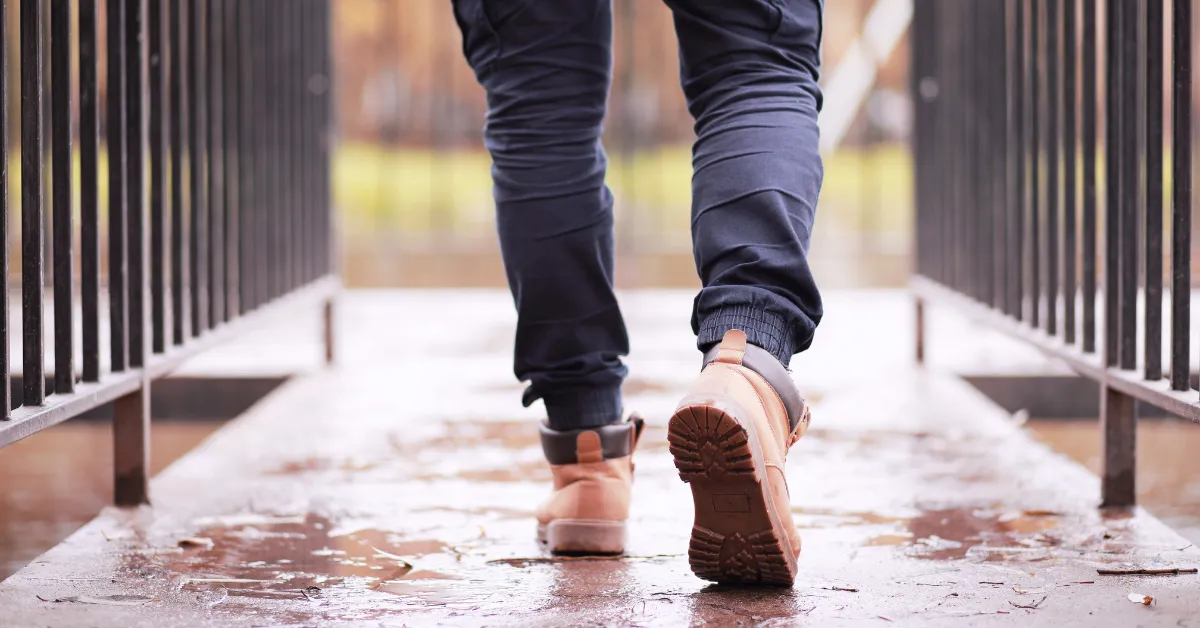
Why Anti-Slip Shoes Are a Workplace Essential
In any work environment, safety should be a top priority. Among the various safety gear, anti-slip shoes play a crucial role in preventing accidents and ensuring the well-being of employees. This article will delve into why anti-slip shoes are a workplace essential, the science behind their effectiveness, and answer some common questions related to them. We will also explore how specific workplaces can benefit from slip-resistant shoes and introduce some recommended products that ensure safety and comfort.
When it comes to preventing slipping in the workplace, the primary safety requirement for shoes is the slip-resistant sole. Slip-resistant shoes are specifically designed to provide better traction on slippery surfaces. The tread pattern, rubber compound, and sole design are all key factors that contribute to a shoe’s slip resistance.
How Do Anti-Slip Shoes Work?
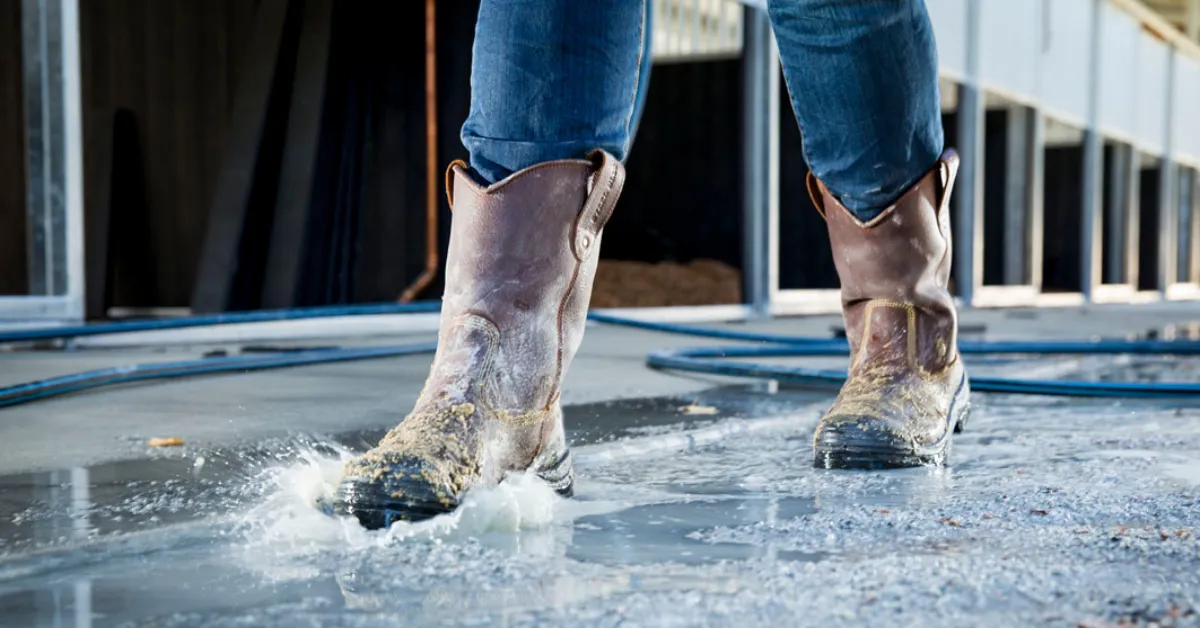
Anti-slip shoes work by increasing friction between the shoe and the walking surface. The enhanced grip is achieved through specialised soles made from materials with high traction properties. Here’s a closer look at how they function:
Tread Pattern: Channelling Away Liquids
The tread pattern on the sole of anti-slip shoes is one of the most critical factors in preventing slips and falls.
-
Functionality: When walking on a wet surface, water can create a thin layer between the sole and the ground, leading to hydroplaning—a phenomenon where the shoe loses traction and slides uncontrollably. The grooves in the tread pattern work by channelling water away from the contact points of the sole, allowing the shoe to maintain direct contact with the surface.
-
Design of the Tread: The sole often features deep grooves and channels that are strategically placed. These grooves can vary in size, shape, and orientation depending on the shoe's intended use.
-
Effectiveness: The effectiveness of this design can be seen in environments like kitchens, hospitals, and industrial settings where floors often get wet. By dispersing the water efficiently, the risk of slips is significantly reduced, ensuring that employees can walk safely even in challenging conditions.
Rubber Compound: Material Matters
The rubber compound used in the soles of anti-slip shoes is another crucial element that determines their effectiveness:
-
Types of Rubber: Different types of rubber compounds are used based on the specific needs of the shoe. Softer rubbers are generally preferred for anti-slip shoes because they offer more grip. This is because softer materials can deform slightly under pressure, increasing the contact area with the ground.
-
Traction and Grip: The pliability of softer rubber allows it to adapt to the microscopic irregularities on the floor surface, providing better traction. This is essential in environments where surfaces can be smooth and slick, such as tiled floors or polished concrete.
-
Durability and Wear: While softer rubber offers better traction, it can wear out more quickly than harder compounds. Therefore, manufacturers must balance between providing sufficient grip and ensuring that the shoes are durable enough to withstand the daily wear and tear of the workplace.
Sole Design: Broadening the Base
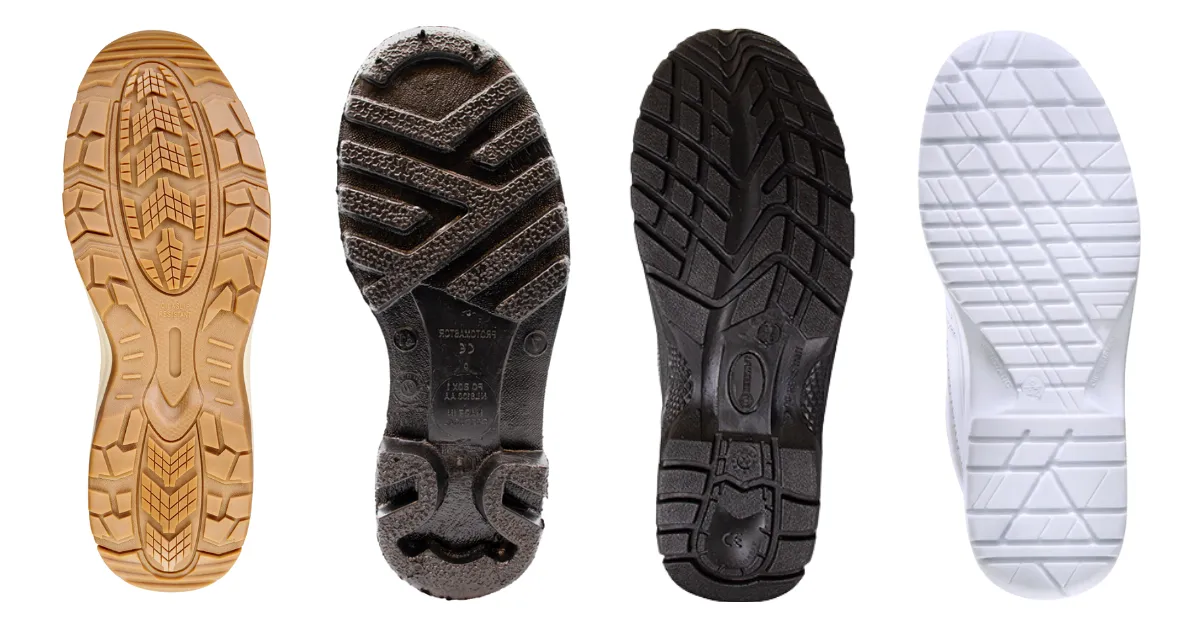
The overall design of the shoe's sole also plays a significant role in preventing slips:
-
Surface Area: A broader surface area of the sole in contact with the ground helps in distributing the wearer's weight more evenly. This even distribution minimises pressure points that can cause instability.
-
Stability: Shoes with a wider sole design tend to be more stable. Stability is critical in environments where quick movements or carrying heavy loads are common. A stable shoe helps in maintaining balance, thereby reducing the likelihood of slips.
-
Weight Distribution: In addition to the surface area, the design often includes features such as a slight heel-to-toe drop or arch support. These features ensure that weight is distributed in a way that promotes natural and stable walking patterns.
Is Anti-Slip the Same as Non-Slip?
Yes, anti-slip and non-slip essentially refer to the same characteristic in shoes. Both terms are used interchangeably to describe footwear designed to provide better traction and prevent slipping. However, it’s essential to note that not all shoes labelled as “non-slip” meet the same standards. Always check for certifications and reviews to ensure the effectiveness of the shoes.
The Importance of Anti-Slip Shoes in the Workplace

Slip-resistant shoes & boots are more than just a safety requirement; they are a crucial investment in the health and productivity of the workforce. Here are some reasons why they are indispensable in the workplace:
Preventing Workplace Accidents
Slips and falls are among the most common workplace accidents. Anti-slip shoes and boots significantly reduce the risk of these incidents, contributing to a safer work environment. For instance, in a busy restaurant kitchen where spills are frequent, the FS46 Amblers Slip can help staff maintain their footing and avoid dangerous falls.
Enhancing Employee Productivity
When employees feel safe, they can focus better on their tasks, leading to increased productivity and efficiency. For example, farmer workers wearing 142PP Protomastor Full Safety boots can navigate slippery floors with confidence, ensuring they can complete their tasks without fear of slipping.
Reducing Injury-Related Costs
Workplace injuries can lead to costly medical bills, compensation claims, and lost workdays. Anti-slip shoes help in mitigating these expenses by preventing accidents. In industrial settings, the durability of Rock Fall Honey or Southern Cross Zip can provide long-lasting protection, reducing the need for frequent replacements and associated costs.
Adapting to Various Environments
Anti-slip shoes are versatile and suitable for different working conditions, ensuring safety across diverse environments. For example, in healthcare, FW81 Slip On are ideal for medical professionals who need to move quickly and safely in environments where spills are common.
Versatile Styles and Comfort
Modern anti-slip shoes come in various styles and designs, ensuring that employees do not have to compromise on comfort or aesthetics while adhering to safety standards. The No Risk Black Panther ESD, for instance, offers both style and functionality, suitable for environments that require a professional appearance without sacrificing style.
Where to Buy Anti-Slip Shoes?
Anti-slip shoes are widely available and can be purchased from various retailers, both online and offline. The good news is that we have a wide range of anti slip shoes and boots, and you are just a click away!
Stay informed, stay protected, and always prioritise safety!
Don't forget to explore our extensive range of Anti-slip Safety shoes and Boots to ensure your protection on the job. For more valuable safety tips and product insights, visit our blog. If you have any questions or need assistance, feel free to reach out to us at: info@safetyworkwear.ie.
MOST RECENT ARTICLES
Construction Safety Boots: How to Choose the Perfect Fit for Long Shifts
read more
Mens Work Boots Ireland: Which Are the Best to Buy in 2026?
read more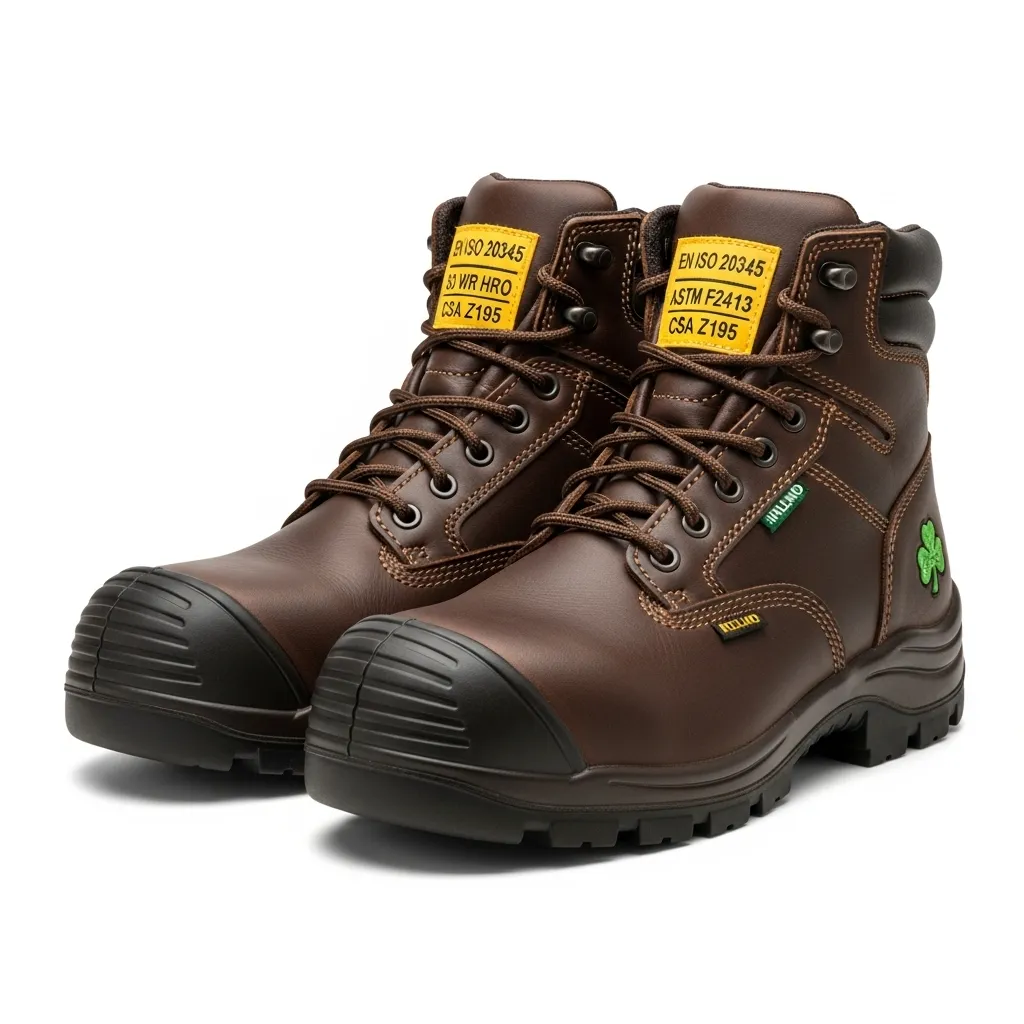
Safety Work Boots Ireland: What Safety Standards Should You Check?
read more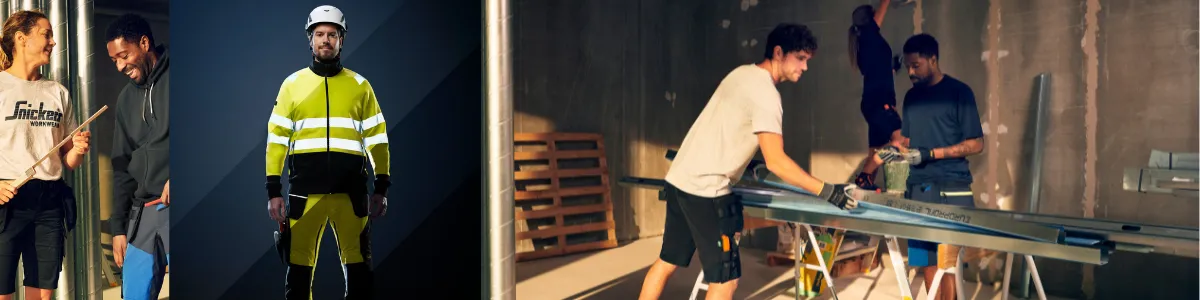
Snickers Workwear Ireland: What Makes It Different from Other Workwear?
read more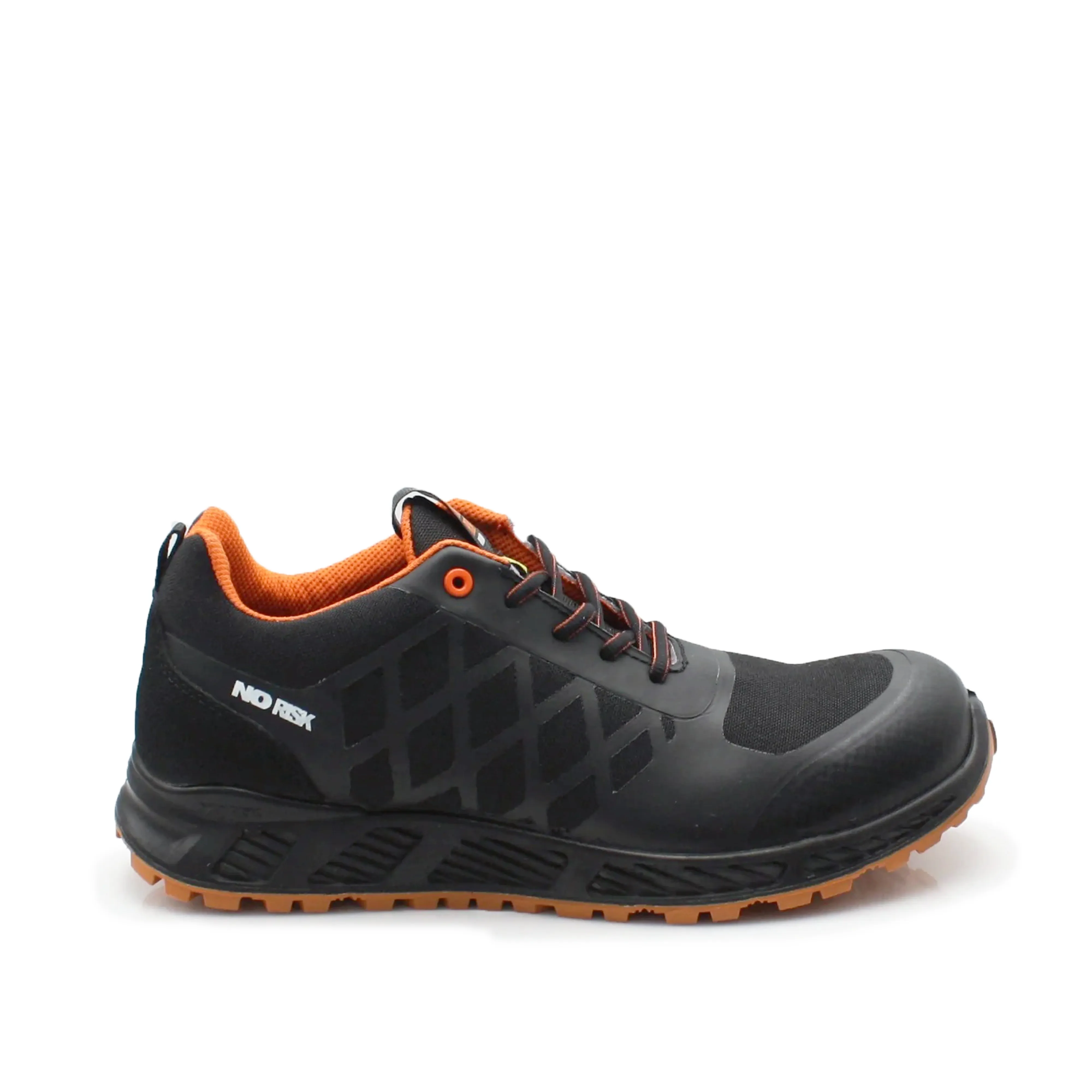
Safety Trainers Ireland: What Should You Look for Before Buying?
read moreRelated Articles
Why Anti-Slip Shoes Are a Workplace Essential
In any work environment, safety should be a top priority. Among the various safety gear, anti-slip shoes play a crucial role in preventing accidents and ensuring the well-being of employees. This article will delve into why anti-slip shoes are a workplace essential, the science behind their effectiveness, and answer some common questions related to them. We will also explore how specific workplaces can benefit from slip-resistant shoes and introduce some recommended products that ensure safety and comfort.
When it comes to preventing slipping in the workplace, the primary safety requirement for shoes is the slip-resistant sole. Slip-resistant shoes are specifically designed to provide better traction on slippery surfaces. The tread pattern, rubber compound, and sole design are all key factors that contribute to a shoe’s slip resistance.
How Do Anti-Slip Shoes Work?
Anti-slip shoes work by increasing friction between the shoe and the walking surface. The enhanced grip is achieved through specialised soles made from materials with high traction properties. Here’s a closer look at how they function:
Tread Pattern: Channelling Away Liquids
The tread pattern on the sole of anti-slip shoes is one of the most critical factors in preventing slips and falls.
-
Functionality: When walking on a wet surface, water can create a thin layer between the sole and the ground, leading to hydroplaning—a phenomenon where the shoe loses traction and slides uncontrollably. The grooves in the tread pattern work by channelling water away from the contact points of the sole, allowing the shoe to maintain direct contact with the surface.
-
Design of the Tread: The sole often features deep grooves and channels that are strategically placed. These grooves can vary in size, shape, and orientation depending on the shoe's intended use.
-
Effectiveness: The effectiveness of this design can be seen in environments like kitchens, hospitals, and industrial settings where floors often get wet. By dispersing the water efficiently, the risk of slips is significantly reduced, ensuring that employees can walk safely even in challenging conditions.
Rubber Compound: Material Matters
The rubber compound used in the soles of anti-slip shoes is another crucial element that determines their effectiveness:
-
Types of Rubber: Different types of rubber compounds are used based on the specific needs of the shoe. Softer rubbers are generally preferred for anti-slip shoes because they offer more grip. This is because softer materials can deform slightly under pressure, increasing the contact area with the ground.
-
Traction and Grip: The pliability of softer rubber allows it to adapt to the microscopic irregularities on the floor surface, providing better traction. This is essential in environments where surfaces can be smooth and slick, such as tiled floors or polished concrete.
-
Durability and Wear: While softer rubber offers better traction, it can wear out more quickly than harder compounds. Therefore, manufacturers must balance between providing sufficient grip and ensuring that the shoes are durable enough to withstand the daily wear and tear of the workplace.
Sole Design: Broadening the Base
The overall design of the shoe's sole also plays a significant role in preventing slips:
-
Surface Area: A broader surface area of the sole in contact with the ground helps in distributing the wearer's weight more evenly. This even distribution minimises pressure points that can cause instability.
-
Stability: Shoes with a wider sole design tend to be more stable. Stability is critical in environments where quick movements or carrying heavy loads are common. A stable shoe helps in maintaining balance, thereby reducing the likelihood of slips.
-
Weight Distribution: In addition to the surface area, the design often includes features such as a slight heel-to-toe drop or arch support. These features ensure that weight is distributed in a way that promotes natural and stable walking patterns.
Is Anti-Slip the Same as Non-Slip?
Yes, anti-slip and non-slip essentially refer to the same characteristic in shoes. Both terms are used interchangeably to describe footwear designed to provide better traction and prevent slipping. However, it’s essential to note that not all shoes labelled as “non-slip” meet the same standards. Always check for certifications and reviews to ensure the effectiveness of the shoes.
The Importance of Anti-Slip Shoes in the Workplace
Slip-resistant shoes & boots are more than just a safety requirement; they are a crucial investment in the health and productivity of the workforce. Here are some reasons why they are indispensable in the workplace:
Preventing Workplace Accidents
Slips and falls are among the most common workplace accidents. Anti-slip shoes and boots significantly reduce the risk of these incidents, contributing to a safer work environment. For instance, in a busy restaurant kitchen where spills are frequent, the FS46 Amblers Slip can help staff maintain their footing and avoid dangerous falls.
Enhancing Employee Productivity
When employees feel safe, they can focus better on their tasks, leading to increased productivity and efficiency. For example, farmer workers wearing 142PP Protomastor Full Safety boots can navigate slippery floors with confidence, ensuring they can complete their tasks without fear of slipping.
Reducing Injury-Related Costs
Workplace injuries can lead to costly medical bills, compensation claims, and lost workdays. Anti-slip shoes help in mitigating these expenses by preventing accidents. In industrial settings, the durability of Rock Fall Honey or Southern Cross Zip can provide long-lasting protection, reducing the need for frequent replacements and associated costs.
Adapting to Various Environments
Anti-slip shoes are versatile and suitable for different working conditions, ensuring safety across diverse environments. For example, in healthcare, FW81 Slip On are ideal for medical professionals who need to move quickly and safely in environments where spills are common.
Versatile Styles and Comfort
Modern anti-slip shoes come in various styles and designs, ensuring that employees do not have to compromise on comfort or aesthetics while adhering to safety standards. The No Risk Black Panther ESD, for instance, offers both style and functionality, suitable for environments that require a professional appearance without sacrificing style.
Where to Buy Anti-Slip Shoes?
Anti-slip shoes are widely available and can be purchased from various retailers, both online and offline. The good news is that we have a wide range of anti slip shoes and boots, and you are just a click away!
Stay informed, stay protected, and always prioritise safety!
Don't forget to explore our extensive range of Anti-slip Safety shoes and Boots to ensure your protection on the job. For more valuable safety tips and product insights, visit our blog. If you have any questions or need assistance, feel free to reach out to us at: info@safetyworkwear.ie.