

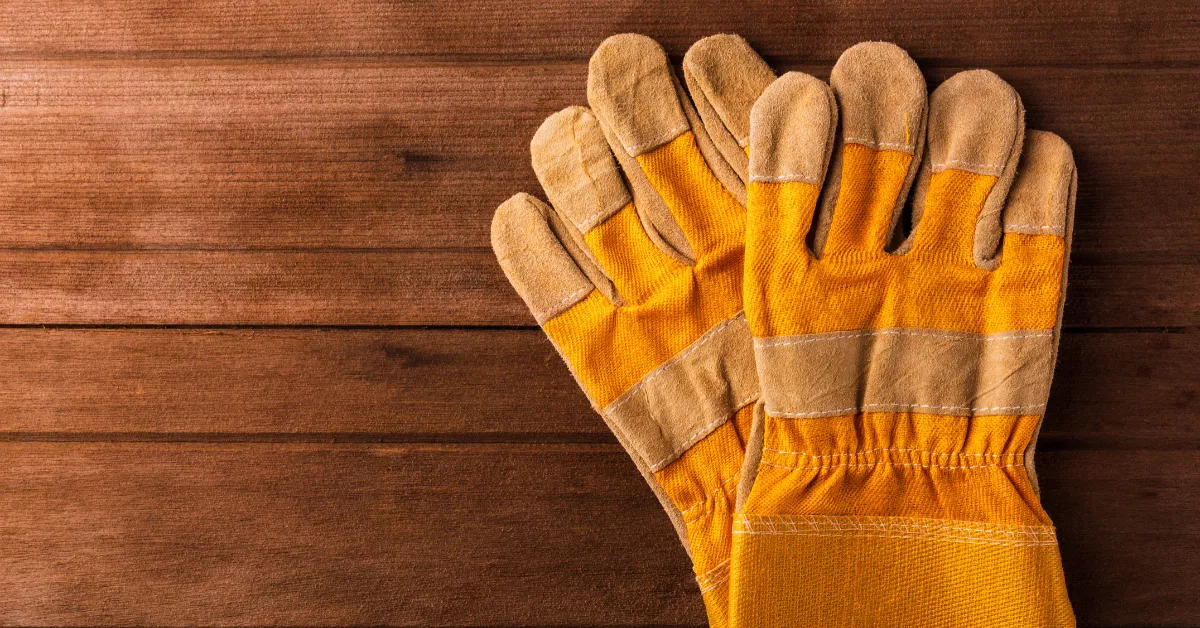
Hands-On Guide: Discover the Best Safety Gloves for Every Job and Hazard.
Safety gloves are an essential part of personal protective equipment (PPE) in several industries. Whether you're operating machinery, handling chemicals, working with heat, or involved in construction, choosing the right safety gloves is crucial for ensuring your safety and comfort. In this guide, we will explore the different types of safety gloves, their recommended uses, and specific classifications like Category 3 gloves. With this information, you’ll be well-equipped to select the perfect gloves for your needs and stay protected on the job.
How Many Types of Safety Gloves Are There?
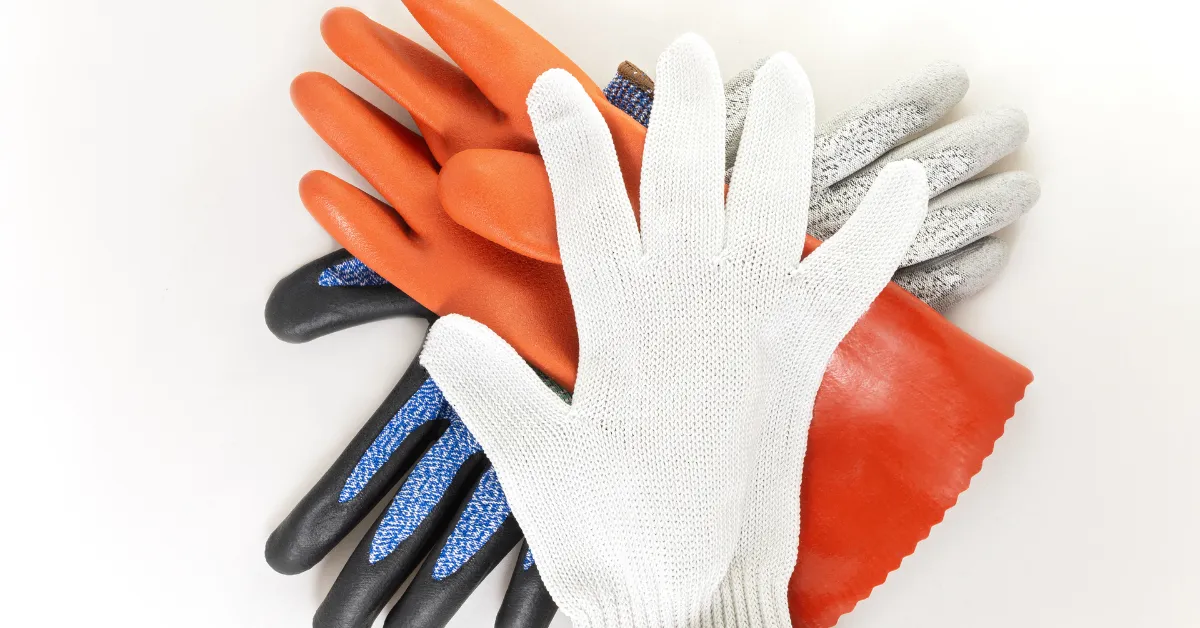
Safety gloves come in various types, each designed for specific hazards and applications. Here are the main categories:
Disposable Gloves:
-
Latex Gloves: Known for their flexibility and comfort, latex gloves are widely used in medical and laboratory settings. They provide good protection against biohazards and chemicals but may cause allergies in some users.
-
Nitrile Gloves: These gloves offer excellent chemical resistance and are a great alternative for those allergic to latex. They are commonly used in healthcare, food handling, and industrial applications.
-
Vinyl Gloves: Made from PVC, vinyl gloves are less durable than latex or nitrile but are cost-effective for short-term use. They are suitable for low-risk tasks like cleaning and food preparation.
Chemical-Resistant Safety Gloves for Industrial Use:
-
Butyl Gloves: Highly resistant to gases and chemicals, butyl gloves are used in chemical handling, hazmat response, and laboratory work.
-
Neoprene Gloves: These gloves provide good protection against acids, oils, and solvents. They are flexible and suitable for industrial and laboratory environments.
-
PVC Gloves: PVC gloves offer excellent resistance to abrasion, chemicals, and oils. They are commonly used in petrochemical, construction, and manufacturing industries.
Cut Resistant Gloves:
-
Kevlar Gloves: Made from strong synthetic fibres, Kevlar gloves provide excellent cut and puncture resistance. They are ideal for tasks involving sharp objects, such as glass handling and metal fabrication.
-
HPPE Gloves: High-performance polyethylene (HPPE) gloves offer superior cut resistance and are lightweight and comfortable. They are used in automotive, construction, and food processing industries.
-
Metal Mesh Gloves: Constructed from stainless steel mesh, these gloves provide the highest level of cut resistance. They are commonly used in meat processing and other high-risk cutting tasks.
Heat-Resistant Safety Gloves for Welding and Metalwork:
-
Aluminised Gloves: Designed to withstand high temperatures, aluminised gloves are used in foundries, welding, and glass manufacturing.
-
Heat Resistant Fabric Gloves: Made from materials like Kevlar or Nomex, these gloves provide protection against burns and heat exposure. They are used in industries like firefighting, automotive, and metalworking.
Best Impact-Resistant Safety Gloves for Construction Workers:
-
Thermoplastic Rubber (TPR) Gloves: These gloves feature TPR pads on the back of the hand and fingers to absorb impact. They are used in construction, oil and gas, and heavy machinery operations.
What Type of Gloves Are Recommended?

The recommended type of safety gloves depends on the specific hazards and tasks involved. Here are some general recommendations:
-
Medical and Laboratory Work: Nitrile or latex disposable gloves provide good protection against biohazards and chemicals.
-
Chemical Handling: Butyl, neoprene, or PVC gloves are suitable for handling hazardous chemicals and solvents.
-
Cut Hazards: Kevlar, HPPE, or metal mesh gloves offer excellent cut resistance for tasks involving sharp objects.
-
Thermal Hazards: Aluminised or heat-resistant fabric gloves protect against high temperatures and burns.
-
Electrical Work: Rubber insulating gloves are essential for protection against electrical shocks.
-
Impact Hazards: TPR gloves provide impact resistance in heavy-duty tasks.
What Are Category 3 Gloves?

Category 3 gloves, also known as complex design gloves, are designed to protect against the highest levels of risk. They are used in situations where there is a serious risk of injury or irreversible harm. These gloves must meet stringent standards and undergo rigorous testing to ensure their effectiveness. They are commonly used in industries like:
- Chemical Handling: Protect against highly hazardous chemicals.
- Electrical Work: Provide protection against high voltage.
- Firefighting: Protect against extreme heat and flames.
- Heavy Machinery Operation: Offer impact and cut resistance in high-risk environments.
Understanding EU Certifications for Safety Gloves

Safety gloves in the EU must adhere to specific standards to ensure adequate protection. Here are the main certifications in detail:
-
EN 420: This standard outlines the general requirements for glove construction, including design principles, fit, and dexterity. It ensures that gloves are comfortable to wear and are labelled correctly, providing essential information about their protection levels.
-
EN 388: This certification addresses protection against mechanical risks. It includes tests for abrasion resistance, cut resistance, tear resistance, and puncture resistance. Gloves are rated based on their performance in these tests, helping users select the appropriate gloves for their specific mechanical hazard needs.
-
EN 374: This standard focuses on protection against chemicals and microorganisms. It includes permeation and penetration tests to measure how well the glove material resists chemical breakthrough and prevents microorganisms from passing through. This certification is crucial for gloves used in chemical handling and laboratory work.
-
EN 407: EN 407 standard evaluates protection against thermal hazards such as heat and fire. It includes tests for resistance to flammability, contact heat, convective heat, radiant heat, small splashes of molten metal, and large quantities of molten metal. This certification is essential for gloves used in welding, foundries, and high-temperature environments.
-
EN 511: This certification deals with protection against cold, including both convective and contact cold. It tests the glove's thermal insulation properties and resistance to water penetration. Gloves with this certification are suitable for use in cold storage, outdoor work in winter, and other cold environments.
-
EN 12477: This standard specifies the requirements for gloves used in welding operations. It covers aspects such as resistance to small splashes of molten metal, thermal insulation, and mechanical protection. There are two types of welding gloves under this standard: Type A (for higher protection, less dexterity) and Type B (for lower protection, more dexterity).
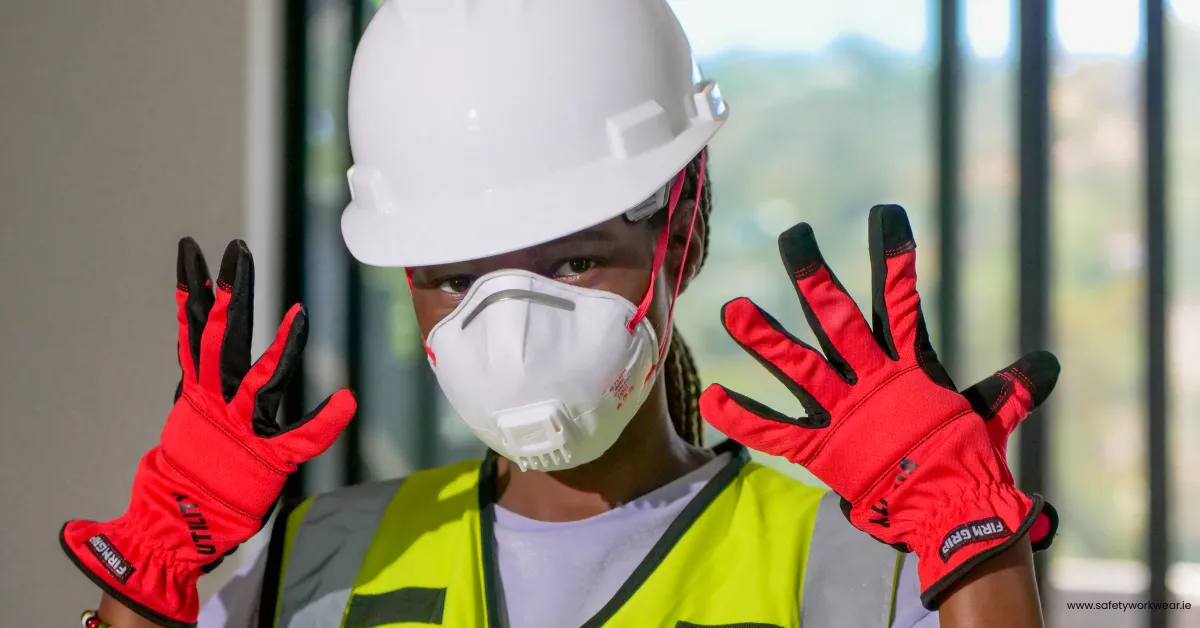
Safety gloves are a crucial component of personal protective equipment, offering protection against a wide range of hazards. By understanding the different types of gloves and their uses, you can select the right gloves for your specific needs. Whether you're handling chemicals, working with sharp objects, or exposed to extreme temperatures, there's a safety glove designed to protect you. Always prioritise quality and compliance with safety standards to ensure maximum protection and performance.
For more information on specific gloves, check out our articles on Anti-vibration gloves for machinery operators, Chemical-resistant safety gloves for industrial use, Heat-resistant safety gloves for welding and metalwork, and Best impact-resistant safety gloves for construction workers.
Stay informed, stay protected, and always prioritise safety!
Don't forget to explore our extensive range of Safety Gloves to ensure your protection on the job. For more valuable safety tips and product insights, visit our blog. If you have any questions or need assistance, feel free to reach out to us at: customerservices@safetyworkwear.ie
MOST RECENT ARTICLES
Construction Safety Boots: How to Choose the Perfect Fit for Long Shifts
read more
Mens Work Boots Ireland: Which Are the Best to Buy in 2026?
read more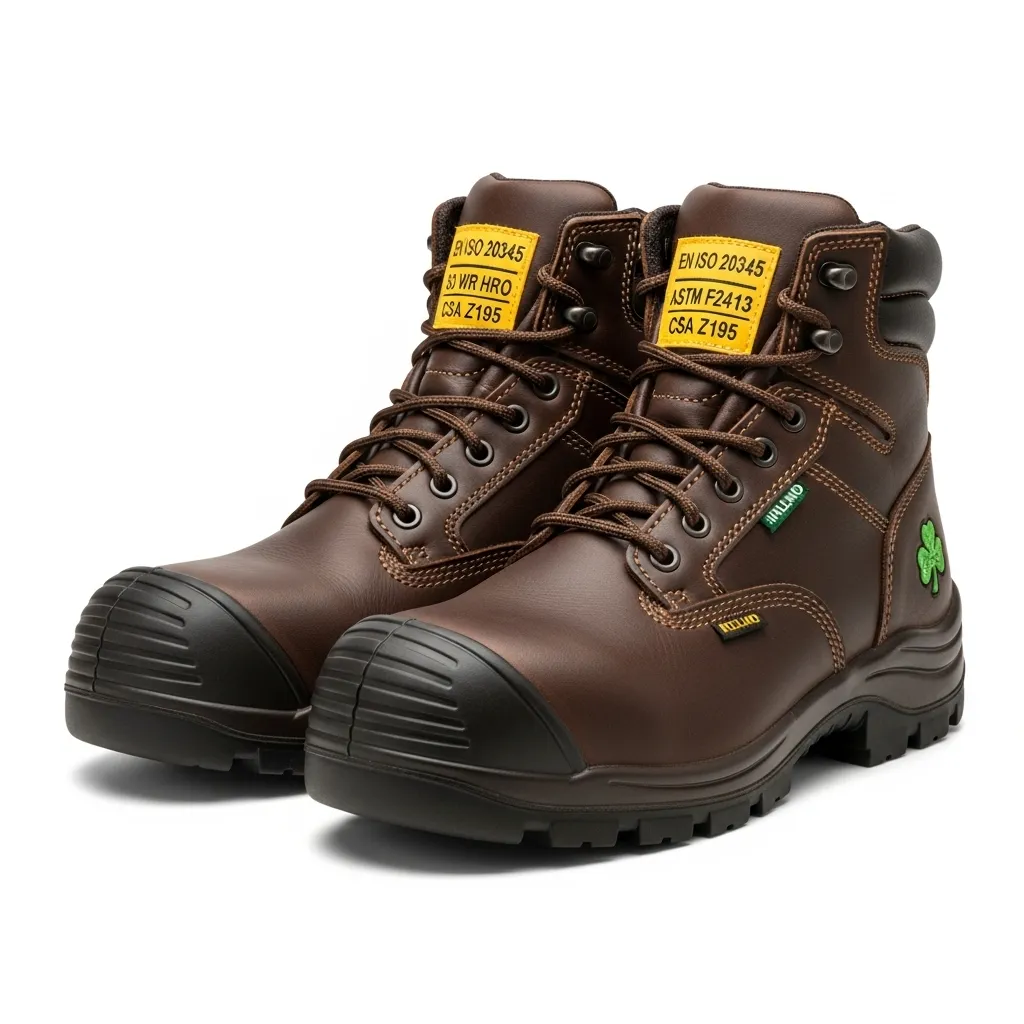
Safety Work Boots Ireland: What Safety Standards Should You Check?
read more
Snickers Workwear Ireland: What Makes It Different from Other Workwear?
read more
Safety Trainers Ireland: What Should You Look for Before Buying?
read moreRelated Articles
Hands-On Guide: Discover the Best Safety Gloves for Every Job and Hazard.
Safety gloves are an essential part of personal protective equipment (PPE) in several industries. Whether you're operating machinery, handling chemicals, working with heat, or involved in construction, choosing the right safety gloves is crucial for ensuring your safety and comfort. In this guide, we will explore the different types of safety gloves, their recommended uses, and specific classifications like Category 3 gloves. With this information, you’ll be well-equipped to select the perfect gloves for your needs and stay protected on the job.
How Many Types of Safety Gloves Are There?
Safety gloves come in various types, each designed for specific hazards and applications. Here are the main categories:
Disposable Gloves:
-
Latex Gloves: Known for their flexibility and comfort, latex gloves are widely used in medical and laboratory settings. They provide good protection against biohazards and chemicals but may cause allergies in some users.
-
Nitrile Gloves: These gloves offer excellent chemical resistance and are a great alternative for those allergic to latex. They are commonly used in healthcare, food handling, and industrial applications.
-
Vinyl Gloves: Made from PVC, vinyl gloves are less durable than latex or nitrile but are cost-effective for short-term use. They are suitable for low-risk tasks like cleaning and food preparation.
Chemical-Resistant Safety Gloves for Industrial Use:
-
Butyl Gloves: Highly resistant to gases and chemicals, butyl gloves are used in chemical handling, hazmat response, and laboratory work.
-
Neoprene Gloves: These gloves provide good protection against acids, oils, and solvents. They are flexible and suitable for industrial and laboratory environments.
-
PVC Gloves: PVC gloves offer excellent resistance to abrasion, chemicals, and oils. They are commonly used in petrochemical, construction, and manufacturing industries.
Cut Resistant Gloves:
-
Kevlar Gloves: Made from strong synthetic fibres, Kevlar gloves provide excellent cut and puncture resistance. They are ideal for tasks involving sharp objects, such as glass handling and metal fabrication.
-
HPPE Gloves: High-performance polyethylene (HPPE) gloves offer superior cut resistance and are lightweight and comfortable. They are used in automotive, construction, and food processing industries.
-
Metal Mesh Gloves: Constructed from stainless steel mesh, these gloves provide the highest level of cut resistance. They are commonly used in meat processing and other high-risk cutting tasks.
Heat-Resistant Safety Gloves for Welding and Metalwork:
-
Aluminised Gloves: Designed to withstand high temperatures, aluminised gloves are used in foundries, welding, and glass manufacturing.
-
Heat Resistant Fabric Gloves: Made from materials like Kevlar or Nomex, these gloves provide protection against burns and heat exposure. They are used in industries like firefighting, automotive, and metalworking.
Best Impact-Resistant Safety Gloves for Construction Workers:
-
Thermoplastic Rubber (TPR) Gloves: These gloves feature TPR pads on the back of the hand and fingers to absorb impact. They are used in construction, oil and gas, and heavy machinery operations.
What Type of Gloves Are Recommended?
The recommended type of safety gloves depends on the specific hazards and tasks involved. Here are some general recommendations:
-
Medical and Laboratory Work: Nitrile or latex disposable gloves provide good protection against biohazards and chemicals.
-
Chemical Handling: Butyl, neoprene, or PVC gloves are suitable for handling hazardous chemicals and solvents.
-
Cut Hazards: Kevlar, HPPE, or metal mesh gloves offer excellent cut resistance for tasks involving sharp objects.
-
Thermal Hazards: Aluminised or heat-resistant fabric gloves protect against high temperatures and burns.
-
Electrical Work: Rubber insulating gloves are essential for protection against electrical shocks.
-
Impact Hazards: TPR gloves provide impact resistance in heavy-duty tasks.
What Are Category 3 Gloves?
Category 3 gloves, also known as complex design gloves, are designed to protect against the highest levels of risk. They are used in situations where there is a serious risk of injury or irreversible harm. These gloves must meet stringent standards and undergo rigorous testing to ensure their effectiveness. They are commonly used in industries like:
- Chemical Handling: Protect against highly hazardous chemicals.
- Electrical Work: Provide protection against high voltage.
- Firefighting: Protect against extreme heat and flames.
- Heavy Machinery Operation: Offer impact and cut resistance in high-risk environments.
Understanding EU Certifications for Safety Gloves
Safety gloves in the EU must adhere to specific standards to ensure adequate protection. Here are the main certifications in detail:
-
EN 420: This standard outlines the general requirements for glove construction, including design principles, fit, and dexterity. It ensures that gloves are comfortable to wear and are labelled correctly, providing essential information about their protection levels.
-
EN 388: This certification addresses protection against mechanical risks. It includes tests for abrasion resistance, cut resistance, tear resistance, and puncture resistance. Gloves are rated based on their performance in these tests, helping users select the appropriate gloves for their specific mechanical hazard needs.
-
EN 374: This standard focuses on protection against chemicals and microorganisms. It includes permeation and penetration tests to measure how well the glove material resists chemical breakthrough and prevents microorganisms from passing through. This certification is crucial for gloves used in chemical handling and laboratory work.
-
EN 407: EN 407 standard evaluates protection against thermal hazards such as heat and fire. It includes tests for resistance to flammability, contact heat, convective heat, radiant heat, small splashes of molten metal, and large quantities of molten metal. This certification is essential for gloves used in welding, foundries, and high-temperature environments.
-
EN 511: This certification deals with protection against cold, including both convective and contact cold. It tests the glove's thermal insulation properties and resistance to water penetration. Gloves with this certification are suitable for use in cold storage, outdoor work in winter, and other cold environments.
-
EN 12477: This standard specifies the requirements for gloves used in welding operations. It covers aspects such as resistance to small splashes of molten metal, thermal insulation, and mechanical protection. There are two types of welding gloves under this standard: Type A (for higher protection, less dexterity) and Type B (for lower protection, more dexterity).
Safety gloves are a crucial component of personal protective equipment, offering protection against a wide range of hazards. By understanding the different types of gloves and their uses, you can select the right gloves for your specific needs. Whether you're handling chemicals, working with sharp objects, or exposed to extreme temperatures, there's a safety glove designed to protect you. Always prioritise quality and compliance with safety standards to ensure maximum protection and performance.
For more information on specific gloves, check out our articles on Anti-vibration gloves for machinery operators, Chemical-resistant safety gloves for industrial use, Heat-resistant safety gloves for welding and metalwork, and Best impact-resistant safety gloves for construction workers.
Stay informed, stay protected, and always prioritise safety!
Don't forget to explore our extensive range of Safety Gloves to ensure your protection on the job. For more valuable safety tips and product insights, visit our blog. If you have any questions or need assistance, feel free to reach out to us at: customerservices@safetyworkwear.ie