

Why Anti-Slip Shoes Are a Workplace Essential
In any work environment, safety should be a top priority. Among the various safety gear, anti-slip shoes play a crucial role in preventing accidents and ensuring the well-being of employees. This article will delve into why anti-slip shoes are a workplace essential, the science behind their effectiveness, and answer some common questions related to them. We will also explore how specific workplaces can benefit from slip-resistant shoes and introduce some recommended products that ensure safety and comfort.
When it comes to preventing slipping in the workplace, the primary safety requirement for shoes is the slip-resistant sole. Slip-resistant shoes are specifically designed to provide better traction on slippery surfaces. The tread pattern, rubber compound, and sole design are all key factors that contribute to a shoe’s slip resistance.
How Do Anti-Slip Shoes Work?
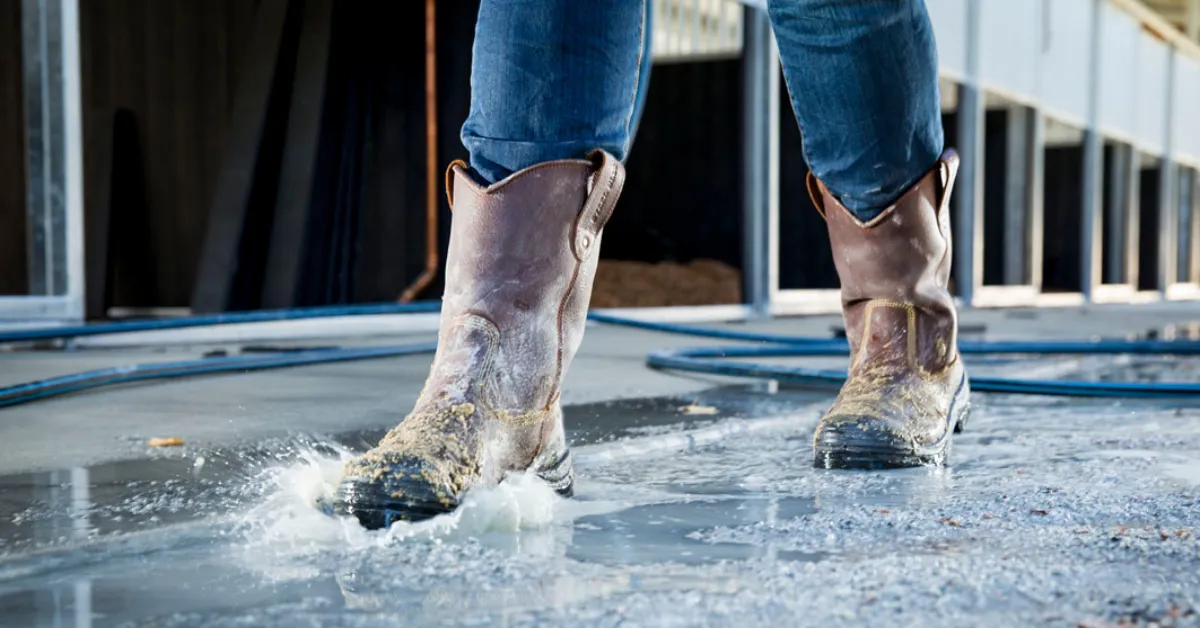
Anti-slip shoes work by increasing friction between the shoe and the walking surface. The enhanced grip is achieved through specialised soles made from materials with high traction properties. Here’s a closer look at how they function:
Tread Pattern: Channelling Away Liquids
The tread pattern on the sole of anti-slip shoes is one of the most critical factors in preventing slips and falls.
-
Functionality: When walking on a wet surface, water can create a thin layer between the sole and the ground, leading to hydroplaning—a phenomenon where the shoe loses traction and slides uncontrollably. The grooves in the tread pattern work by channelling water away from the contact points of the sole, allowing the shoe to maintain direct contact with the surface.
-
Design of the Tread: The sole often features deep grooves and channels that are strategically placed. These grooves can vary in size, shape, and orientation depending on the shoe's intended use.
-
Effectiveness: The effectiveness of this design can be seen in environments like kitchens, hospitals, and industrial settings where floors often get wet. By dispersing the water efficiently, the risk of slips is significantly reduced, ensuring that employees can walk safely even in challenging conditions.
Rubber Compound: Material Matters
The rubber compound used in the soles of anti-slip shoes is another crucial element that determines their effectiveness:
-
Types of Rubber: Different types of rubber compounds are used based on the specific needs of the shoe. Softer rubbers are generally preferred for anti-slip shoes because they offer more grip. This is because softer materials can deform slightly under pressure, increasing the contact area with the ground.
-
Traction and Grip: The pliability of softer rubber allows it to adapt to the microscopic irregularities on the floor surface, providing better traction. This is essential in environments where surfaces can be smooth and slick, such as tiled floors or polished concrete.
-
Durability and Wear: While softer rubber offers better traction, it can wear out more quickly than harder compounds. Therefore, manufacturers must balance between providing sufficient grip and ensuring that the shoes are durable enough to withstand the daily wear and tear of the workplace.
Sole Design: Broadening the Base
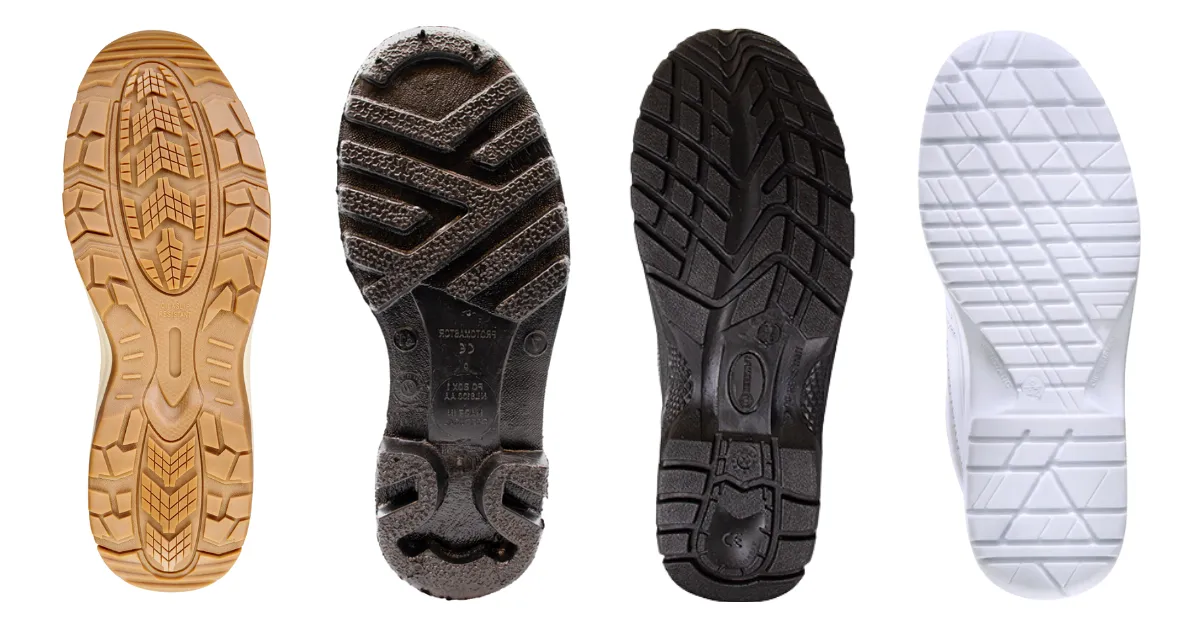
The overall design of the shoe's sole also plays a significant role in preventing slips:
-
Surface Area: A broader surface area of the sole in contact with the ground helps in distributing the wearer's weight more evenly. This even distribution minimises pressure points that can cause instability.
-
Stability: Shoes with a wider sole design tend to be more stable. Stability is critical in environments where quick movements or carrying heavy loads are common. A stable shoe helps in maintaining balance, thereby reducing the likelihood of slips.
-
Weight Distribution: In addition to the surface area, the design often includes features such as a slight heel-to-toe drop or arch support. These features ensure that weight is distributed in a way that promotes natural and stable walking patterns.
Is Anti-Slip the Same as Non-Slip?
Yes, anti-slip and non-slip essentially refer to the same characteristic in shoes. Both terms are used interchangeably to describe footwear designed to provide better traction and prevent slipping. However, it’s essential to note that not all shoes labelled as “non-slip” meet the same standards. Always check for certifications and reviews to ensure the effectiveness of the shoes.
The Importance of Anti-Slip Shoes in the Workplace

Slip-resistant shoes & boots are more than just a safety requirement; they are a crucial investment in the health and productivity of the workforce. Here are some reasons why they are indispensable in the workplace:
Preventing Workplace Accidents
Slips and falls are among the most common workplace accidents. Anti-slip shoes and boots significantly reduce the risk of these incidents, contributing to a safer work environment. For instance, in a busy restaurant kitchen where spills are frequent, the FS46 Amblers Slip can help staff maintain their footing and avoid dangerous falls.
Enhancing Employee Productivity
When employees feel safe, they can focus better on their tasks, leading to increased productivity and efficiency. For example, farmer workers wearing 142PP Protomastor Full Safety boots can navigate slippery floors with confidence, ensuring they can complete their tasks without fear of slipping.
Reducing Injury-Related Costs
Workplace injuries can lead to costly medical bills, compensation claims, and lost workdays. Anti-slip shoes help in mitigating these expenses by preventing accidents. In industrial settings, the durability of Rock Fall Honey or Southern Cross Zip can provide long-lasting protection, reducing the need for frequent replacements and associated costs.
Adapting to Various Environments
Anti-slip shoes are versatile and suitable for different working conditions, ensuring safety across diverse environments. For example, in healthcare, FW81 Slip On are ideal for medical professionals who need to move quickly and safely in environments where spills are common.
Versatile Styles and Comfort
Modern anti-slip shoes come in various styles and designs, ensuring that employees do not have to compromise on comfort or aesthetics while adhering to safety standards. The No Risk Black Panther ESD, for instance, offers both style and functionality, suitable for environments that require a professional appearance without sacrificing style.
Where to Buy Anti-Slip Shoes?
Anti-slip shoes are widely available and can be purchased from various retailers, both online and offline. The good news is that we have a wide range of anti slip shoes and boots, and you are just a click away!
Stay informed, stay protected, and always prioritise safety!
Don't forget to explore our extensive range of Anti-slip Safety shoes and Boots to ensure your protection on the job. For more valuable safety tips and product insights, visit our blog. If you have any questions or need assistance, feel free to reach out to us at: info@safetyworkwear.ie.
Comprehensive Guide: How to Choose the Best Safety Boots for Your Industry.
Choosing the right safety boots is crucial for ensuring comfort, protection, and productivity in various industries. Whether you're in construction, manufacturing, or another demanding field, the right pair of safety boots can make a significant difference. This guide will help you understand the essential qualities of a good safety boot, the factors employees should consider when choosing footwear, and the different types of industrial boots available. Additionally, we'll provide examples of the types of safety boots and the industries they are best suited for.
What are the Qualities of a Good Safety Boot?
A good safety boot should provide comprehensive protection and comfort for the wearer. Here are some essential qualities to look for:
Protection Features:
-
Steel Toe Caps: Steel toe caps are designed to withstand an impact of up to 200 joules and resist a compression force of 15,000 newtons. These boots are ideal for industries where there is a high risk of heavy objects falling on the feet, such as construction and manufacturing.
-
Composite Toe Caps: Composite toe caps, made from materials like fibreglass, Kevlar, or carbon fibre, offer protection comparable to steel toes. They can withstand impacts of up to 200 joules and are lighter and non-conductive, making them suitable for electrical work and environments with metal detectors.
-
Metatarsal Guards: These guards provide additional protection to the top of the foot, withstanding impacts of up to 100 joules and compression forces of up to 15,000 newtons. They are often used in heavy industries where dropping heavy objects is common, such as mining and construction.
-
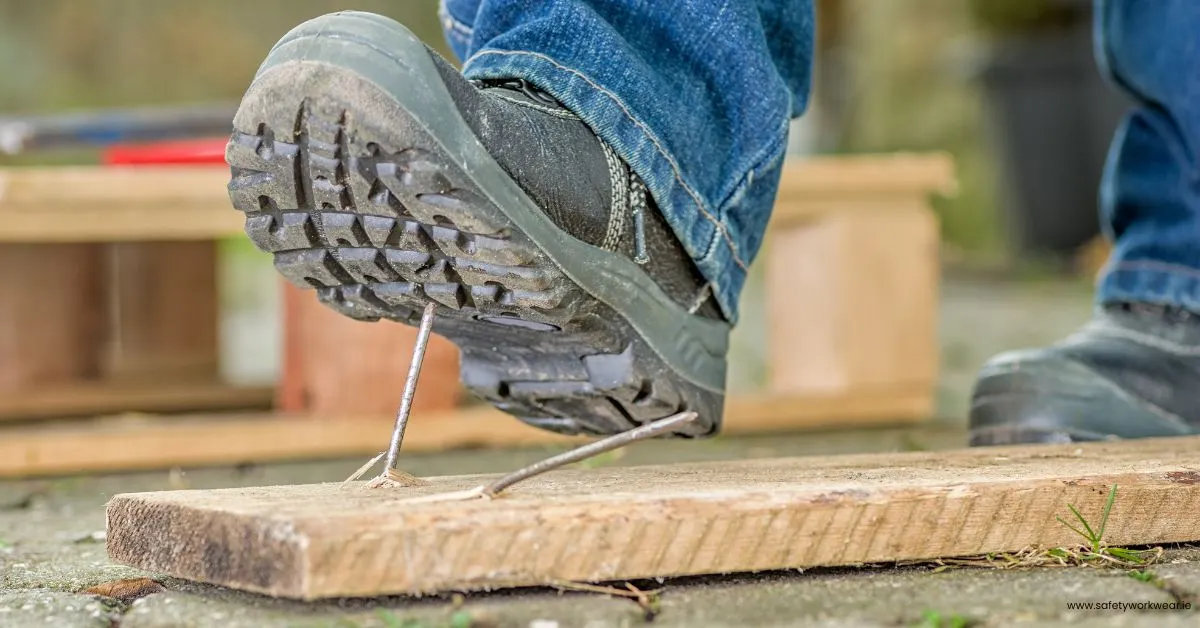
Puncture-Resistant Soles: These soles protect the feet from sharp objects like nails and glass. Typically made of steel or Kevlar, they can resist punctures with a force of up to 1,100 newtons, making them crucial for construction and waste management sectors.
Comfort and Fit:
-
Cushioned Insoles: Cushioned insoles help reduce fatigue and provide arch support, essential for workers who stand for long periods. Look for boots with memory foam or gel inserts for added comfort.
-
Breathable Materials: Breathable materials, such as mesh and moisture-wicking fabrics, keep feet dry and comfortable, reducing the risk of fungal infections. Breathable safety boots are ideal for hot climates and indoor work environments.
-
Lightweight Design: Lightweight boots, often made from composite materials, reduce the strain on the legs and back, enhancing mobility and reducing fatigue. These are preferred in industries requiring agility and long hours of wear.
Durability:
-
High-Quality Materials: Ensure the boots can withstand harsh conditions and last longer, providing better value for money. Leather and high-grade synthetic materials are commonly used for their durability.
-
Waterproofing: Waterproof safety boots are essential for outdoor work and wet environments. They keep feet dry and prevent the deterioration of the boot material, which is crucial for long-term durability.
Safety Certifications:
-
Compliance with Standards: Safety boots should meet industry standards such as ASTM (American Society for Testing and Materials) or EN ISO (European Standards). In the EU, the EN ISO 20345 standard specifies that safety footwear must have toe protection against a 200-joule impact. The standard also covers other protective features like anti-slip, anti-static, and energy absorption in the heel area. Boots that comply with these standards have been rigorously tested to ensure they provide adequate protection in various workplace scenarios.
What Factors Should Employees Consider When Choosing Footwear?

Selecting the right safety boots involves more than just picking a pair off the shelf. Here are the key factors employees should consider:
Job Hazards:
Different jobs have different hazards. Construction workers need protection from falling objects and sharp debris, while electricians need non-conductive boots. Understanding the specific risks of the job helps in choosing the appropriate safety features.
Environmental Conditions:
Consider the environment where the boots will be worn. For example, waterproof safety boots are essential for wet conditions, while insulated safety boots are necessary for cold environments.
Comfort and Fit:
Ill-fitting boots can cause blisters, calluses, and long-term foot problems. Employees should ensure the boots fit well, with enough room to wiggle toes and sufficient arch support. Trying on boots with work socks and wearing them for a short period before making a decision is advisable.
Material and Construction:
The materials and construction of the boots should be suited to the demands of the job. Leather is durable and offers good protection, while synthetic materials may offer better breathability and weight reduction.
Budget:
While it's tempting to choose the most affordable safety boots, it's important to balance cost with quality. Affordable safety boots can be found, but they should still meet all the necessary safety and comfort requirements.
What are the Different Types of Industrial Boots?
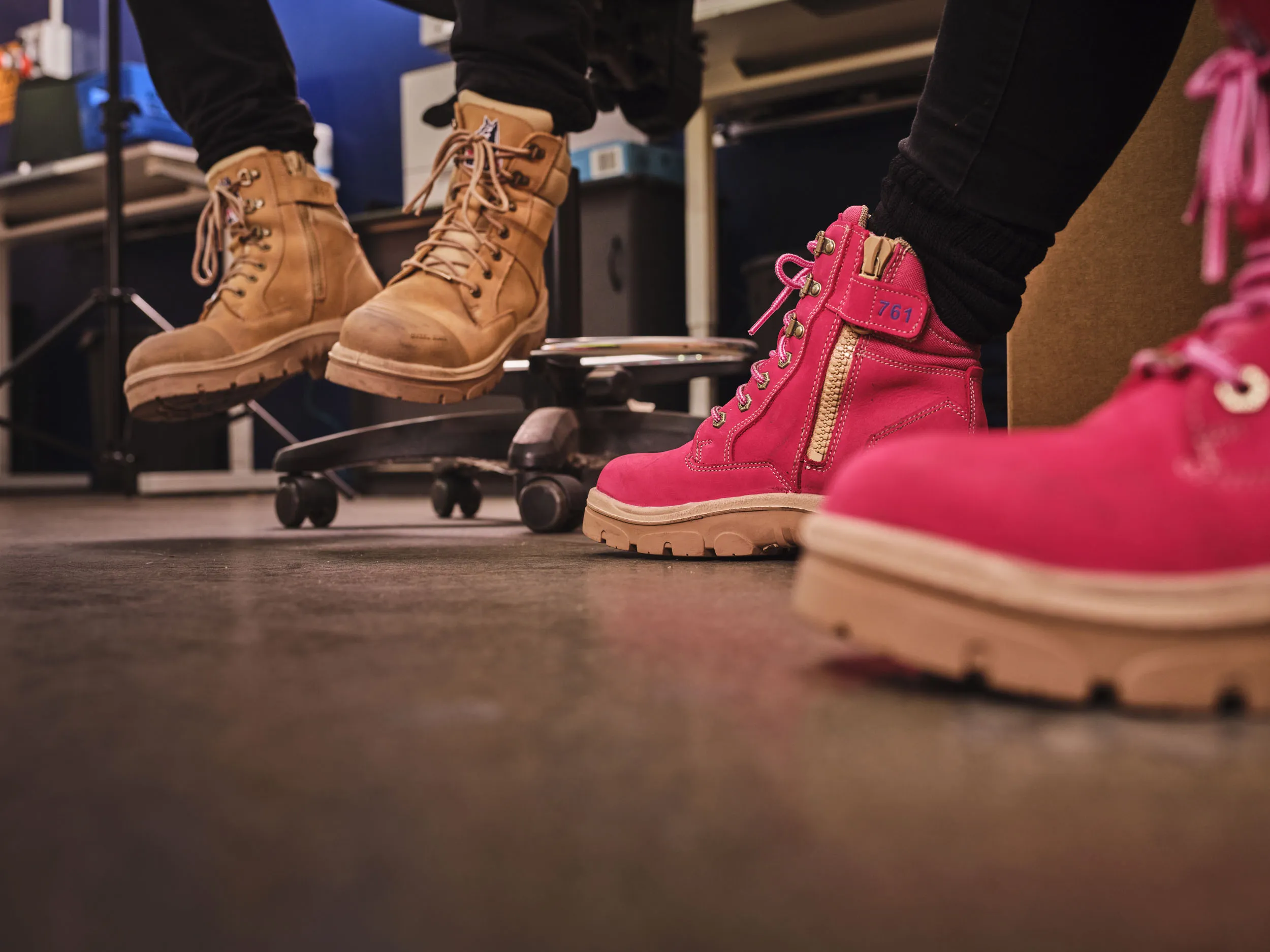
Industrial boots come in various types, each designed to address specific needs and hazards. Here are some common types:
Steel Toe Boots
-
Description: Boots with reinforced steel in the toe area for maximum protection.
-
Best For: Construction, manufacturing, heavy machinery industries.
-
Example: Steel toe work boots provide superior protection against heavy impacts and compression.
Composite Toe Boots
-
Description: Boots with non-metallic toe caps made from materials like fibreglass, Kevlar, or carbon fibre.
-
Best For: Electrical work, security sectors, and areas where metal detectors are used.
-
Example: Composite toe boots offer similar protection to steel toes but are lighter and non-conductive.
Waterproof Boots
-
Description: Boots designed to keep feet dry in wet conditions.
-
Best For: Outdoor work, landscaping, and environments with frequent water exposure.
-
Example: Waterproof safety boots ensure comfort and prevent material deterioration.
Insulated Boots
-
Description: Boots with insulation to keep feet warm in cold environments.
-
Best For: Outdoor winter work, refrigerated environments, and cold storage facilities.
-
Example: Insulated safety boots provide warmth and comfort in low-temperature conditions.
Slip-Resistant Boots
-
Description: Boots with specially designed soles to provide better grip on slippery surfaces.
-
Best For: Food service, healthcare, and any industry with wet or oily floors.
-
Example: Slip-resistant safety boots enhance safety in environments prone to spills and slick surfaces.
Lightweight Boots
-
Description: Boots made from lighter materials to reduce fatigue and increase comfort.
-
Best For: Jobs requiring long hours of standing or walking, such as logistics and warehousing.
-
Example: Best lightweight safety boots offer protection without the added weight.
Breathable Boots
-
Description: Boots made with materials that allow air circulation to keep feet dry and cool.
-
Best For: Indoor work, hot climates, and environments where moisture management is crucial.
-
Example: Breathable safety boots prevent foot infections and improve overall comfort.
Safety Boots with Arch Support
-
Description: Boots that provide additional support to the arch of the foot, reducing strain.
-
Best For: Workers with flat feet or those who stand for long periods.
-
Example: Safety boots with arch support improve posture and reduce foot fatigue.
Affordable Safety Boots
-
Description: Budget-friendly options that do not compromise on safety and comfort.
-
Best For: Companies looking to equip large teams without overspending.
-
Example: Affordable safety boots offer a balance of cost-effectiveness and essential features.
Examples of Safety Boots and Their Best Uses
Construction Industry
-
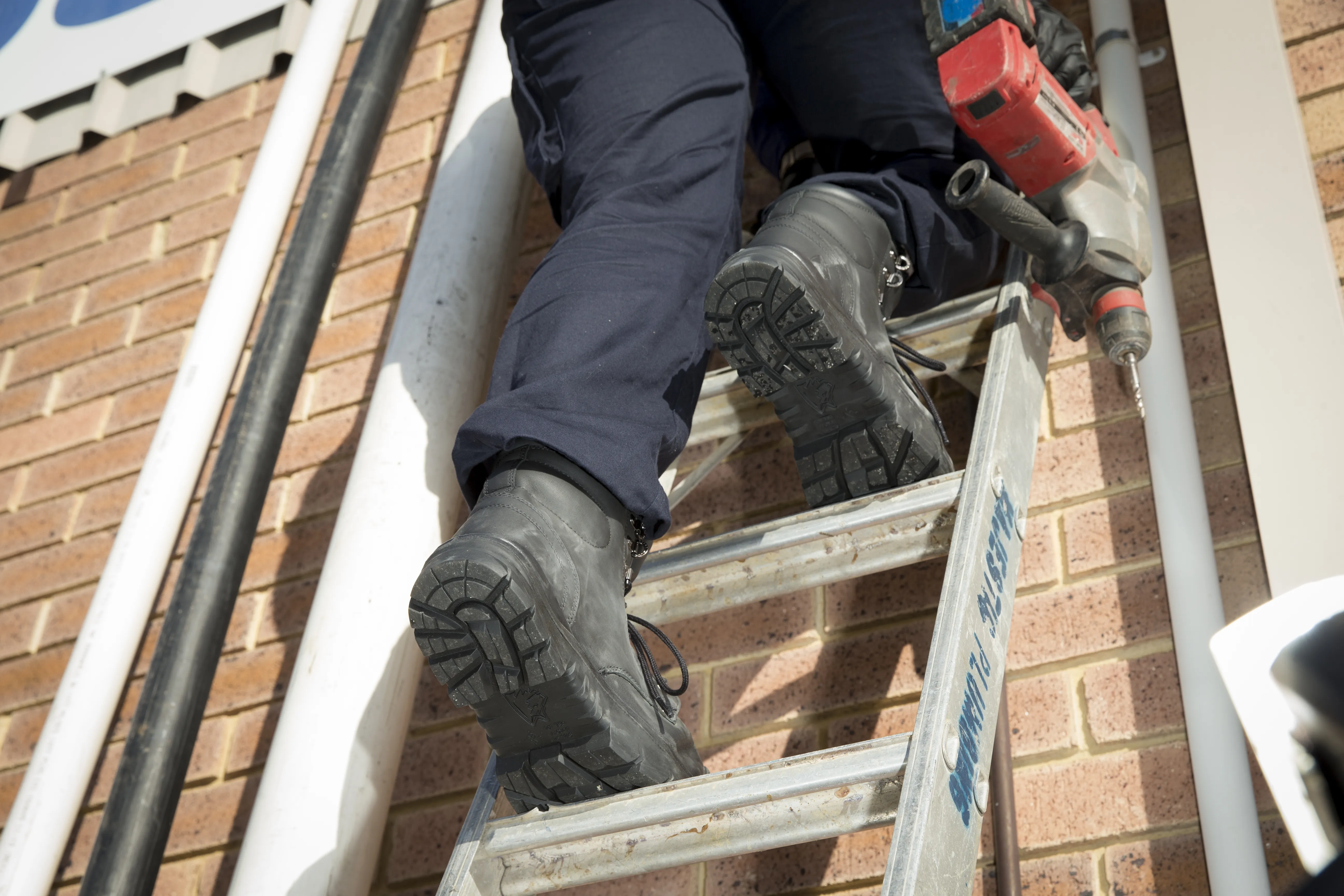
Recommended Boots: Steel toe work boots, puncture-resistant soles, and metatarsal guards.
-
Why: The construction industry involves heavy machinery, falling objects, and sharp debris. Steel toe boots provide maximum protection against impacts, while puncture-resistant soles prevent injuries from sharp objects.
Electrical Work
-
Recommended Boots: Composite toe boots, non-conductive materials.
-
Why: Electrical work requires non-conductive footwear to prevent electrical hazards. Composite toe boots are lighter and provide the necessary protection without the risk of conducting electricity.
Food Service
-
Recommended Boots: Slip-resistant boots, breathable materials.
-
Why: Food service environments often have wet or oily floors. Slip-resistant boots reduce the risk of slips and falls, while breathable materials keep feet comfortable during long shifts.
Outdoor Winter Work
-
Recommended Boots: Insulated safety boots, waterproof materials.
-
Why: Cold and wet conditions require insulated and waterproof boots to keep feet warm and dry, preventing frostbite and discomfort.
Warehousing and Logistics
-
Recommended Boots: Lightweight safety boots, cushioned insoles.
-
Why: Workers in logistics and warehousingcan experience long hours of standing and walking. Lightweight safety boots reduce fatigue, while cushioned insoles provide additional comfort and support.
Healthcare
-
Recommended Boots: Slip-resistant boots, breathable materials.
-
Why: Healthcare professionals often work in environments with slick floors and need to stay comfortable during long shifts. Slip-resistant boots prevent falls, while breathable materials keep feet dry and comfortable.
Cold Storage
-
Recommended Boots: Insulated safety boots, anti-slip soles.
-
Why: Cold storage environments require boots that can keep feet warm and provide grip on potentially icy surfaces. Insulated boots with anti-slip soles offer the necessary protection and comfort.
Conclusion
Selecting the right safety boots is vital for ensuring the well-being and productivity of workers across various industries. By considering the qualities of a good safety boot, the specific needs of the job, and the types of industrial boots available, employers and employees can make informed decisions that enhance safety and comfort. Whether you need steel toe work boots for heavy construction, waterproof safety boots for outdoor work, or breathable safety boots for hot environments, understanding your requirements will help you choose the best safety boots for your industry. Investing in high-quality safety boots not only protects workers but also contributes to a safer and more efficient workplace.
Stay informed, stay protected, and always prioritise safety!
Don't forget to explore our extensive range of Safety Boots & Safety Shoes & Trainers to ensure your protection on the job. For more valuable safety tips and product insights, visit our blog. If you have any questions or need assistance, feel free to reach out to us at: customerservices@safetyworkwear.ie
Steel Toe vs. Composite Toe Safety Boots: Which One is Right for You?
When it comes to safety footwear, the debate between steel toe and composite toe boots often sparks heated discussions among workers. Steel toes are renowned for their undeniable strength and durability, able to withstand heavy impacts with ease. However, composite toe boots offer a lightweight alternative without compromising on protection. It's essential to consider your specific work environment and needs when making this decision.
While steel toes have long been the go-to choice for many industries, composite toes have gained popularity due to their non-metallic composition that is often preferred in certain workplaces. Beyond their protective qualities, composite toes also offer insulation against extreme temperatures, making them a versatile option for varying work conditions. So let's dive into the world of safety boots to help you make a well-informed decision that fits your specific needs!
Material Composition
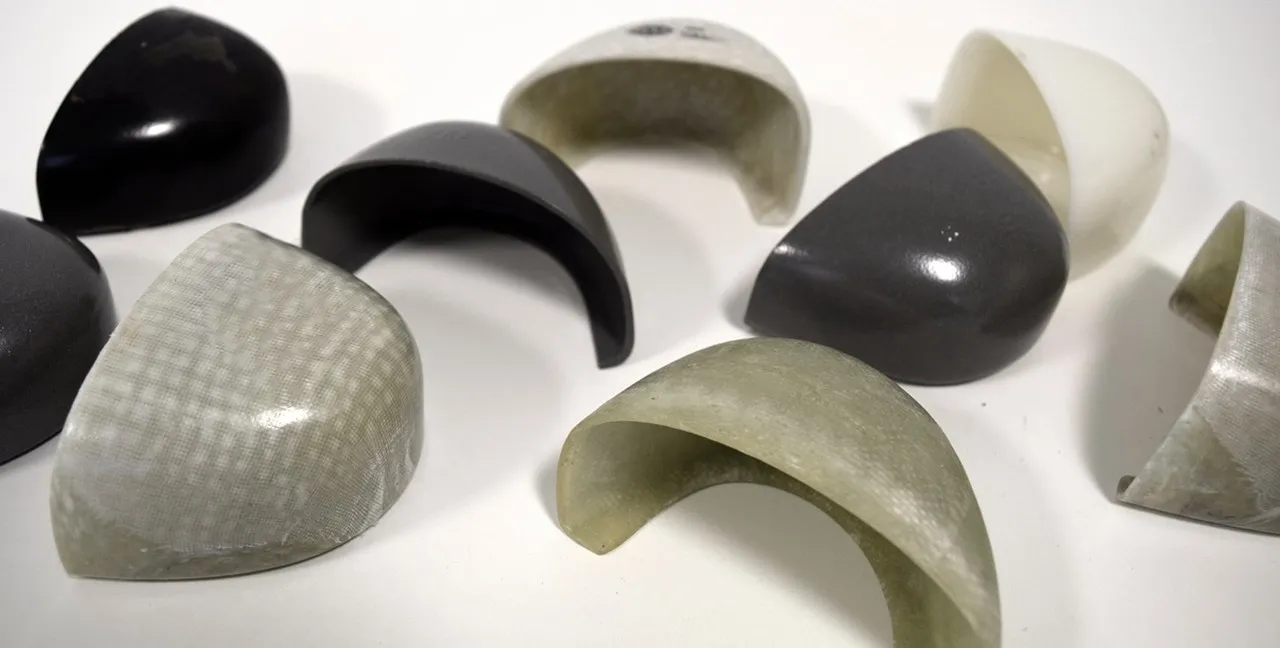

Steel toe boots provide robust protection against impact and compression with their tough steel toe cap. On the other hand, composite toe boots use materials like Kevlar or fiberglass to offer reliable protection without the extra weight of steel. Additionally, composite toes are non-conductive and won't set off metal detectors, making them suitable for various work environments.
Comfort

Some prefer the weight and perceived durability of steel toes, while others opt for the lighter feel of composite toes for long work hours. Comfort is essential when selecting safety footwear, as it impacts productivity and well-being. Advances in composite materials have made them just as strong as traditional steel options, challenging the notion that heavier means stronger.
Temperature Resistance


Have you ever wondered how the type of toe in your work boots could impact your comfort in extreme temperatures? Steel toes, while renowned for their durability and protection, can be a double-edged sword when it comes to temperature resistance. Due to steel’s thermal conductivity properties, steel toe boots can become uncomfortably hot or cold in extreme weather conditions. On the other hand, composite toes offer a more insulated alternative, providing better protection against temperature extremes.
The next time you're gearing up for a long day on the job site, consider how temperature resistance plays a role in your choice of safety footwear.
Metal Detector Friendliness
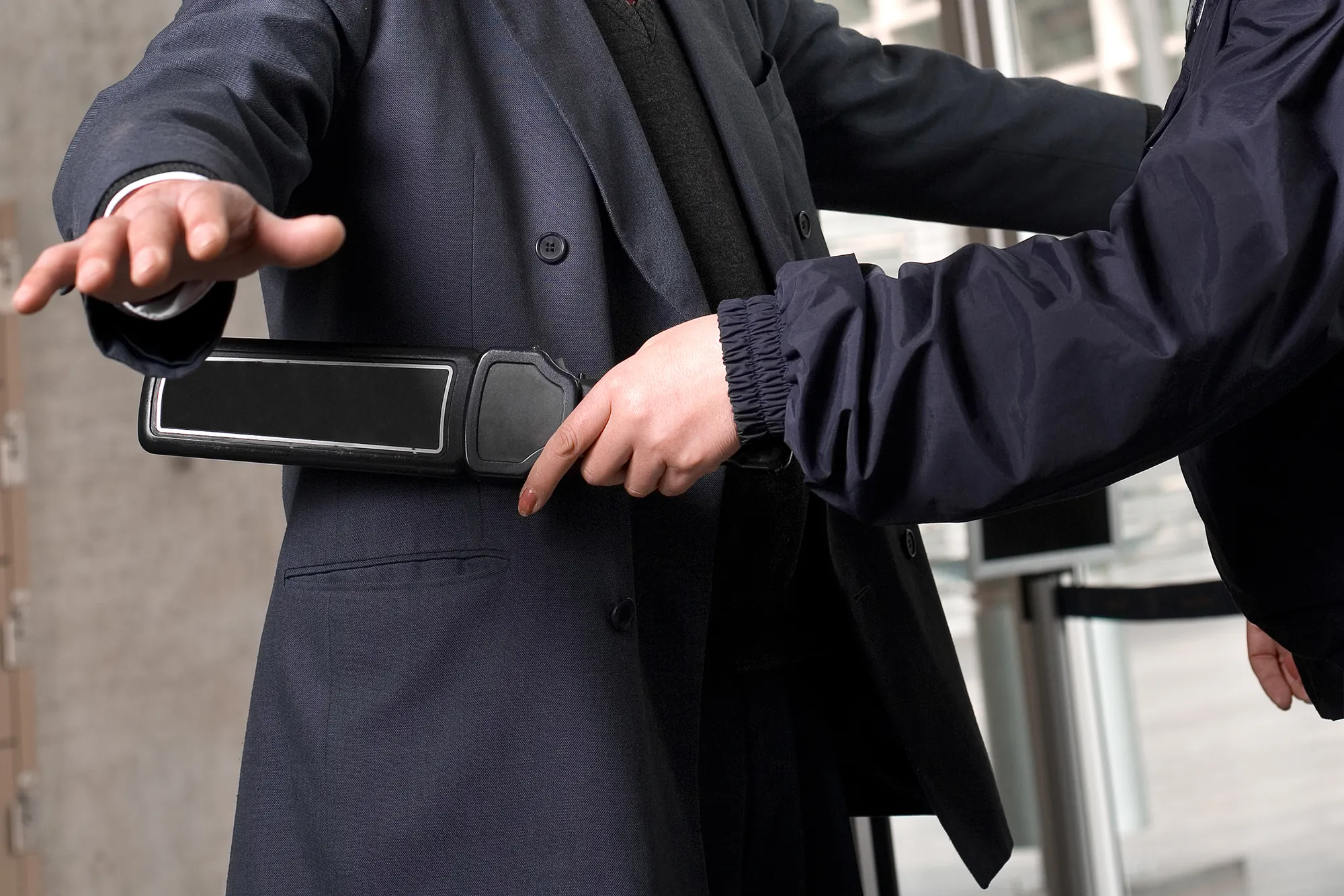

Metal detector friendliness has become a key factor in workwear choices, especially for those working in security-sensitive areas. The rise of composite toe boots, with their non-metallic composition, has provided a practical solution to this issue. Unlike traditional steel toe boots that often trigger alarms when passing through metal detectors.This innovation not only ensures smooth passage through security checkpoints but also enhances overall convenience and efficiency for workers.
While steel toe boots have been renowned for their durability and protective qualities, the inconvenience they pose at metal detectors has sparked a shift towards composite alternatives. These non-metallic boots maintain the same level of strength and safety while eliminating the hassle of constantly setting off alarms. As more industries prioritize security measures, the popularity of composite toe boots is on the rise, catering to professionals who require both reliability and ease of movement in their work environments.
Durability


When it comes to durability, steel toe boots are the undisputed champions. Their reputation for toughness and longevity is well-deserved, making them a popular choice for those who need footwear that can stand up to tough conditions. On the other hand, while composite toe boots also boast impressive durability, they may not quite match the robustness of their steel counterparts. This slight difference in lifespan is something to consider when choosing between the two options.
Cost


Steel toe boots are typically more budget-friendly than composite toe options. However, composite toe boots may come at a higher price due to advanced materials like Kevlar or carbon fiber.
Industry Applications

Steel toe boots have been a staple in heavy industries like construction and mining for decades. However, industries are increasingly turning to composite toe boots for their lightweight nature and non-metallic composition. Composite toes offer advantages in environments where conductivity or metal detection is a concern, as well as better temperature resistance.
In conclusion, when choosing between steel toe safety boots and composite toe safety boots, it's essential to consider your specific job requirements, comfort preferences, and workplace hazards. Whether you need heavy-duty protection or a lighter alternative, both options offer reliable safety features to keep you safe on the job.
Stay informed, stay protected, and always prioritise safety!
Don't forget to explore our extensive range of Safety Footwear & Safety Shoes & Trainers to ensure your protection on the job. For more valuable safety tips and product insights, visit our blog. If you have any questions or need assistance, feel free to reach out to us at: customerservices@safetyworkwear.ie