

Construction Safety Boots: How to Choose the Perfect Fit for Long Shifts
When it comes to working on a construction site, your feet are your foundation. Choosing the right construction safety boots is essential for protection, comfort, and long-term foot health. At Safety Workwear, we stock top-quality boots from trusted brands like Steel Blue, Caterpillar, U-Power, Dunlop, and No Risk, designed to meet the demands of construction environments. Whether you’re climbing ladders, walking across uneven terrain, or working in wet and muddy conditions, the right pair of boots ensures safety and performance throughout long shifts.
Why Construction Safety Boots Are Essential
Construction sites are full of hazards, from falling tools to slippery surfaces. Wearing proper construction safety boots can prevent serious injuries while keeping you comfortable all day. Modern boots combine steel toe boots for impact protection, puncture-resistant boots for sharp objects, and slip-resistant soles for safe footing. Investing in high-quality construction footwear from reputable brands ensures that you are protected and productive on site.
In addition, heavy-duty work boots are specifically engineered to withstand the stresses of construction environments, while site safety shoes protect against common risks that regular footwear cannot handle. Without proper footwear, long shifts can lead to fatigue, foot pain, or even long-term injury.
Key Features to Look For
Choosing the right pair of construction boots involves evaluating features that contribute to both safety and comfort. Here are the main points to consider:
1. Toe Protection
Steel toe boots are the industry standard for maximum protection. For workers who require non-metal options, composite toe boots are lightweight yet strong, providing similar impact protection.
2. Sole Grip and Slip Resistance
Slips and falls are common on busy construction sites. Slip-resistant safety boots with rugged treads offer excellent traction on wet, oily, or uneven surfaces.
3. Midsole Puncture Protection
Sharp objects like nails or scrap metal can easily penetrate standard footwear. Puncture-resistant boots with reinforced midsoles prevent injuries from hidden hazards on the ground.
4. Comfort for Long Shifts
A comfortable boot is critical for long days. Look for comfortable safety boots featuring cushioned work boots insoles and breathable materials. Boots with ankle support safety boots designs reduce fatigue and help prevent injuries from uneven surfaces.
5. Waterproofing and Breathability
Weather can be unpredictable on construction sites. Waterproof safety boots keep your feet dry in wet conditions, while breathable work boots prevent overheating. Leather work boots often strike the perfect balance between durability, protection, and comfort.
Best Brands for Construction Safety Boots
At Safety Workwear, we pride ourselves on stocking only trusted brands that prioritize safety and comfort:
- Steel Blue – Known for rugged steel toe boots and ergonomic design.
- Caterpillar – Offers heavy-duty work boots suitable for the toughest sites.
- U-Power – Lightweight and cushioned, ideal for long shift work boots.
- No Risk – Stylish cushioned work boots for all-day comfort.
- Dunlop – Durable, waterproof safety boots perfect for wet conditions.
These brands ensure that you’re not only meeting safety standards but also enjoying comfort during long workdays.
Choosing the Right Fit
A proper fit is critical for both safety and comfort. Follow these steps to ensure you select the right pair:
- Measure Your Feet at the End of the Day – Feet expand after standing or walking all day.
- Try Boots With the Socks You’ll Wear on Site – This ensures accurate sizing.
- Check Toe Room – Your toes should move comfortably inside your construction safety boots.
- Walk Around the Store – Ensure your boots support arches and heels.
- Consider Half a Size Up – Extra room can prevent blisters during long shifts.
Maintenance Tips for Longevity
Proper maintenance keeps your boots safe and comfortable longer:
- Remove dirt and debris daily.
- Condition leather work boots to prevent cracking.
- Dry away from direct heat sources.
- Replace worn-out insoles to maintain comfortable safety boots performance.
Following these simple steps extends the life of your footwear, ensuring your work boots for construction remain safe and reliable.
Frequently Asked Questions (FAQ)
1. What makes construction safety boots different from regular work boots?
Construction safety boots include reinforced toes, slip-resistant soles, and puncture-resistant boots midsoles that protect against site-specific hazards.
2. Can I wear construction safety boots for long shifts comfortably?
Yes. Brands like Steel Blue and U-Power offer long shift work boots designed with cushioned insoles and ankle support safety boots to reduce fatigue.
3. Are steel toe boots better than composite toe boots?
Steel toe boots provide maximum protection, while composite toe boots are lighter and ideal for areas requiring metal-free footwear.
4. How do I know my boots are waterproof?
Check the manufacturer’s description. Boots from Dunlop and Caterpillar at Safety Workwear are specifically designed with waterproof safety boots technology.
5. How often should I replace construction safety boots?
Replace them every 1–3 years depending on usage or when comfort and protection begin to decline.
Conclusion: Step Into Safety with Safety Workwear
Choosing the right construction safety boots is an investment in your safety, comfort, and productivity. At Safety Workwear, we offer boots from Steel Blue, Caterpillar, Dunlop, and No Risk, providing superior protection, durability, and comfort. Look for features like steel toe boots, slip-resistant safety boots, and cushioned work boots to keep your feet safe and energized during long shifts.
Mens Work Boots Ireland: Which Are the Best to Buy in 2026?
Choosing the right Mens Work Boots Ireland workers can rely on is more important than ever in 2026. Worksites are demanding, weather conditions can be tough, and long hours on your feet require proper protection. The wrong boots can cause discomfort, injuries, and reduced productivity. The right pair keeps you safe, comfortable, and confident every day.
In this guide, we will explain what to look for, which features matter most, and how to choose the best option for your job.
Why Choosing the Right Work Boots Matters
Good quality boots are not just about safety rules. They protect your feet from impact, sharp objects, slips, and harsh weather. Many workers across Ireland choose men’s safety boots Ireland professionals trust because certified footwear reduces the risk of workplace accidents.
If you work outdoors, in construction, or in industrial settings, investing in proper boots is essential for long-term comfort and protection.
What Type of Work Do You Do?
Before buying, think about your daily tasks.
- Builders often prefer strong construction boots Ireland workers use on active sites.
- Factory workers may need durable industrial safety boots Ireland environments demand.
- Outdoor workers benefit from waterproof mens work boots that handle wet Irish weather.
- Heavy manual jobs may require heavy duty work boots for men for extra durability.
Choosing boots based on your work environment prevents discomfort and injury.
Steel Toe or Composite Toe?
One of the most common questions when buying Mens Work Boots Ireland customers search for is whether to choose steel or composite protection.
- Steel toe work boots Ireland workers buy are known for strong impact resistance.
- Composite toe work boots are lighter and do not conduct cold or heat, making them ideal for outdoor work.
Both options provide certified protection. Your choice depends on comfort preference and work conditions.
Check the Safety Rating
Always look for certified options such as S3 safety boots Ireland workers commonly choose. S3-rated footwear typically includes:
- Water resistance
- Anti-penetration midsoles
- Energy absorption in the heel
- Slip-resistant outsoles
Safety ratings ensure your boots meet European standards for workplace protection.
Comfort is Just as Important as Safety
Long shifts require proper support. If you stand or walk all day, look for:
- Comfortable work boots for long hours
- Shock absorbing safety boots for reduced foot fatigue
- Lightweight safety boots for men to prevent leg strain
- Breathable work boots to keep feet cool
Comfort directly affects productivity. Blisters, soreness, or heel pain can slow you down and affect your health.
Slip Resistance & Grip
Irish job sites can be wet and slippery. That’s why many workers look for slip resistant work boots with strong rubber outsoles. Proper grip helps prevent falls on oily, muddy, or smooth surfaces.
Easy On and Off Options
Some professionals prefer boots that are quick to wear and remove:
- Zip safety boots Ireland workers use offer convenience without sacrificing security.
- Dealer safety boots Ireland tradesmen prefer are pull-on style boots with elastic sides for easy access.
These designs save time while still offering full protection.
Where to Buy Work Boots in Ireland?
Many buyers today prefer to buy mens work boots online Ireland stores offer. Online shopping allows you to compare features, prices, and safety ratings easily.
When choosing a supplier, look for:
- Clear product descriptions
- Certified safety standards
- Good customer support
- Fair pricing
At SafetyWorkWear.ie, we provide a wide range of safety footwear Ireland workers depend on, ensuring quality and compliance for different industries. Our goal is to help you find the best work boots Ireland professionals trust without confusion.
How to Choose the Best Pair in 2026
Here is a simple checklist before purchasing:
- Identify your work environment (construction, warehouse, agriculture).
- Choose the correct toe protection (steel or composite).
- Confirm safety rating (S3 recommended for most heavy-duty jobs).
- Ensure proper fit and comfort features.
- Check for waterproof or slip-resistant properties if needed.
The best boots are not always the most expensive — they are the ones that match your job needs perfectly.
Frequently Asked Questions (FAQs)
1. How do I know if my work boots are certified?
Look for EN ISO safety standards and ratings such as S3 on the product description. Certified boots meet European protection requirements.
2. Are waterproof boots necessary in Ireland?
Yes, especially for outdoor workers. Wet conditions are common, and waterproof protection keeps your feet dry and comfortable.
3. How long should work boots last?
Quality boots can last 6–12 months or longer depending on work intensity and care. Heavy-duty jobs may wear them faster.
4. What is better for long hours: steel toe or composite toe?
Composite toe boots are lighter and often more comfortable for long shifts, but both offer strong protection if certified.
5. How do I prevent foot pain at work?
Choose boots with shock absorption, proper arch support, and breathable lining. Always select the correct size and replace worn-out insoles when needed.
Final Thoughts
Finding the right Mens Work Boots Ireland workers can depend on in 2026 requires careful consideration. Focus on safety ratings, comfort, durability, and job-specific features. Whether you need waterproof protection, lightweight support, or strong grip, always choose certified footwear designed for your industry.
At SafetyWorkWear.ie, we aim to support Irish workers with reliable options that balance protection and comfort. When you invest in the right boots, you protect not just your feet — but your performance every single day.
Safety Work Boots Ireland: What Safety Standards Should You Check?
If you’re searching for Safety Work Boots Ireland, one of the most important things to understand before buying is safety standards. In Ireland, work boots are not just about comfort or style — they must meet recognised safety requirements to properly protect workers and comply with workplace regulations. Choosing boots that don’t meet the right standards can lead to injuries, failed site inspections, and wasted money. This guide from Safety Workwear explains which safety standards matter most, how to read them, and how to choose the right safety boots for Irish worksites.
Why Are Safety Standards Important When Buying Safety Work Boots in Ireland?
Safety standards exist to protect workers from common workplace hazards such as:
- Falling or heavy objects
- Sharp materials underfoot
- Slippery or oily surfaces
- Wet or harsh outdoor conditions
In Ireland, employers and workers are responsible for ensuring footwear is fit for purpose. Certified safety work boots Ireland help reduce injury risk and ensure compliance with health and safety rules across construction, industrial, and trade environments.
What Is the Main Safety Standard for Safety Work Boots in Ireland?
The most important standard to check is:
EN ISO 20345
This is the European safety footwear standard used across Ireland and the EU.
Any certified safety boots Ireland must include:
- Protective toe cap (200 joules impact resistance)
- Minimum safety performance requirements
If boots do not state EN ISO 20345, they should be avoided for professional work use.
What Do Safety Ratings Like S1, S1P, S2, and S3 Mean?
Once footwear meets EN ISO 20345, it is classified into safety ratings. Understanding these ratings helps you choose the right work boots Ireland for your job.
S1 Safety Boots
- Toe protection
- Anti-static properties
- Energy-absorbing heel
Ideal for dry, indoor work
S1P Safety Boots
- All S1 features
- Puncture-resistant midsole
Good for warehouses and light construction
S2 Safety Boots
- S1 features
- Water-resistant upper
Suitable for wet indoor environments
S3 Safety Boots
- S2 features
- Puncture-resistant midsole
- High grip outsole
Best for construction and outdoor work in Ireland
At Safety Workwear, S3-rated boots are among the most popular due to Ireland’s wet and unpredictable conditions.
Which Safety Standards Matter Most for Irish Worksites?
Because Irish worksites often involve rain, mud, and uneven ground, look for safety work boots Ireland with:
- Slip resistance (SRC)
- Water resistance
- Strong outsole grip
- Durable upper materials
For outdoor trades and construction, S3-rated boots provide the best all-round protection.
Do Rigger Boots in Ireland Meet Safety Standards?
Yes — but only if they are certified.
Rigger boots Ireland are popular for:
- Construction
- Groundworks
- Heavy-duty outdoor jobs
Certified rigger boots should:
- Meet EN ISO 20345
- Have S3 protection
- Offer slip-resistant soles
Always check the product description before buying rigger boots, as non-certified versions are still sold online.
Are Steel Toe or Composite Toe Boots Better for Irish Workers?
Both meet safety standards, but they suit different needs.
Steel Toe Safety Boots
- Strong and durable
- Usually lower cost
- Slightly heavier
Composite Toe Safety Boots
- Lightweight
- Non-metallic
- Better for comfort and cold conditions
Both are compliant safety boots Ireland options — the best choice depends on comfort needs and work environment.
What Additional Safety Features Should You Look For?
Beyond basic standards, some features add extra value:
- Slip-resistant outsoles for oily surfaces
- Shock-absorbing heels for long shifts
- Ankle support for uneven ground
- Breathable linings for comfort
These features improve safety and comfort, especially for workers wearing boots all day.
Why Buying Certified Safety Work Boots Matters
Many buyers make the mistake of choosing the cheapest boots, not the safest.
When you buy certified Safety Work Boots Ireland from Safety Workwear, you get:
- EN ISO certified products
- Clear safety ratings (S1P, S3, etc.)
- Footwear suited to Irish worksites
- Better durability and comfort
- Long-term value for money
👉 The right safety boots don’t just protect your feet — they protect your job, productivity, and peace of mind.
How Do You Check Safety Standards Before Buying? (Step-by-Step)
Follow these simple steps before purchasing:
- Look for EN ISO 20345 certification
- Check the S-rating (S1P, S3, etc.)
- Match the rating to your job conditions
- Confirm slip resistance and water protection
- Buy from trusted suppliers like Safety Workwear
Who Needs Certified Safety Work Boots in Ireland?
Certified work boots Ireland are essential for:
Construction workers
- Tradespeople
- Warehouse staff
- Engineers
- Factory and industrial workers
If your job involves physical risk, certified footwear is not optional — it’s essential.
FAQs: Safety Work Boots Ireland
1. Are safety standards legally required in Ireland?
Yes. Employers must ensure appropriate PPE, including certified safety footwear.
2. What is the best safety rating for Ireland?
S3 is the most suitable for Irish outdoor and construction work.
3. Do rigger boots meet Irish safety standards?
Only if they are EN ISO 20345 certified and rated S3.
4. Are composite toe boots as safe as steel toe boots?
Yes. Both meet the same safety standards when certified.
5. Where can I buy certified safety work boots in Ireland?
You can buy trusted Safety Work Boots Ireland from specialist suppliers like Safety Workwear.
Final Thoughts
Choosing the right work boots starts with understanding the safety features that truly matter. Checking recognised certifications, safety ratings, and suitability for your job helps ensure comfort, protection, and compliance on site. From everyday work environments to demanding outdoor roles, properly certified footwear makes a real difference to safety and performance. At Safety Workwear, you’ll find dependable, high-quality options designed for Irish working conditions — so you can focus on your job with confidence, every single day.
Snickers Workwear Ireland: What Makes It Different from Other Workwear?
When professionals search for Snickers Workwear Ireland, they are usually comparing brands and trying to decide if Snickers is really better than standard workwear. In Ireland’s demanding work environments—construction sites, industrial settings, and outdoor jobs—workwear needs to be durable, comfortable, and reliable. This guide from Safety Workwear explains what makes Snickers Workwear different, why so many professionals choose it, and whether it’s the right investment for your job.
What Is Snickers Workwear and Why Is It Popular in Ireland?
Snickers Workwear is a premium workwear brand known for its advanced design, durability, and comfort. It has become a top choice across workwear Ireland searches because it’s built specifically for professionals who work long hours in tough conditions.
In Ireland, Snickers Workwear is popular among:
- Construction workers
- Tradespeople
- Engineers
- Industrial workers
- Outdoor professionals
Unlike basic workwear, Snickers focuses on performance-driven design, not just appearance.
What Makes Snickers Workwear Different from Other Workwear Brands?
The biggest difference is that Snickers Workwear is engineered for work, not adapted from casual clothing.
Here’s what sets it apart:
Advanced Fabric Technology
Snickers uses durable, stretch-enabled fabrics that:
- Resist wear and tear
- Allow freedom of movement
- Perform well in Irish weather
This makes it ideal for demanding worksites.
Ergonomic Fit
Snickers garments are designed to move with your body, reducing strain and fatigue during long shifts.
Built-In Functionality
- Reinforced knee areas
- Smart tool pockets
- Heavy-duty stitching
These features are missing in most standard workwear Ireland options.
Is Snickers Workwear More Durable Than Regular Workwear?
Yes—and this is one of the main reasons professionals choose it.
Snickers Workwear is built for:
- Daily heavy use
- Kneeling, lifting, and bending
- Harsh site conditions
While cheaper workwear may look fine initially, it often wears out quickly. Snickers products last longer, making them a better long-term investment.
How Does Snickers Workwear Improve Comfort on the Job?
Comfort directly impacts productivity and safety.
Snickers Workwear improves comfort by offering:
- Stretch panels for flexibility
- Breathable materials
- Lightweight but tough fabrics
Workers who wear Snickers often experience less discomfort and fatigue, especially during long shifts. This makes it ideal for all-day workwear Ireland needs.
What Types of Snickers Workwear Are Available in Ireland?
Snickers offers a wide range of workwear suitable for Irish jobs, including:
- Work trousers & cargo trousers
- Jackets & softshells
- Hi-vis workwear
- Base layers
- Insulated and weatherproof clothing
At Safety Workwear, you can find Snickers products designed specifically for Irish weather and worksite conditions.
Is Snickers Hi-Vis Workwear Better Than Standard Hi-Vis Clothing?
Yes. Snickers hi-vis workwear stands out because it combines safety compliance with comfort and durability.
Key benefits include:
- EN ISO certified visibility
- Long-lasting reflective materials
- Comfortable fit even with layers
Many standard hi-vis garments lose shape and reflectivity quickly, while Snickers hi-vis clothing maintains performance over time.
Is Snickers Workwear Worth the Price Compared to Other Brands?
This is one of the most common buyer questions—and the answer depends on how you look at value.
Snickers Workwear costs more upfront, but:
- Lasts longer
- Needs fewer replacements
- Offers better comfort and fit
- Improves productivity
When you calculate cost per wear, Snickers often works out cheaper in the long run.
Who Should Choose Snickers Workwear in Ireland?
Snickers Workwear is ideal if you:
- Work long hours
- Need durable work clothing
- Want comfort without compromising safety
- Work in construction, trades, or industry
If you only need short-term or light-duty clothing, basic workwear may be enough. But for professionals, Snickers Workwear Ireland is built for serious work.
Why Buy Snickers Workwear from Safety Workwear?
Choosing the right supplier matters just as much as choosing the brand.
When you buy Snickers Workwear from Safety Workwear, you get:
- Trusted Irish supplier
- Genuine Snickers products
- Clear sizing & product guidance
- Competitive pricing
- Reliable delivery
If you want long-lasting workwear that performs day after day, Snickers Workwear from Safety Workwear
Safety Trainers Ireland: What Should You Look for Before Buying?
Safety trainers are becoming one of the most popular choices for workers across Ireland. They combine the protection of traditional safety boots with the comfort and lightweight feel of trainers. If you’re searching for Safety Trainers Ireland, it usually means you want footwear that is safe, comfortable, and suitable for long working hours. Choosing the wrong pair can lead to discomfort, foot pain, or even workplace injuries. This guide from Safety Workwear explains exactly what you should look for before buying safety trainers, especially for Irish worksites and safety regulations.
What Are Safety Trainers and How Are They Different from Safety Boots?
Safety trainers are protective work shoes designed to look and feel like trainers while still meeting workplace safety standards.
Unlike traditional safety boots, safety trainers:
-
Are lighter in weight
-
Offer better flexibility and breathability
-
Are ideal for indoor and light outdoor work
In Ireland, safety trainers are commonly used in:
-
Warehouses
-
Logistics & delivery
-
Retail stockrooms
-
Light construction
-
Engineering & manufacturing
They are a popular alternative to bulky boots, especially for workers who walk or stand all day.
Why Are Safety Trainers Important for Irish Workers?
Workplace safety laws in Ireland require employers and workers to wear appropriate protective footwear where risks exist.
Safety Trainers Ireland matter because they:
-
Protect toes from impact and compression
-
Reduce slip and fall risks
-
Improve comfort during long shifts
-
Help prevent fatigue and foot strain
Choosing certified safety shoes Ireland is not just about comfort—it’s about meeting safety expectations and avoiding injuries.
What Safety Standards Should Safety Trainers in Ireland Meet?
This is one of the most important things to check before buying.
Most safety trainers sold in Ireland should comply with:
-
EN ISO 20345 safety standard
Common safety ratings include:
-
S1 – Toe protection + anti-static
-
S1P – Toe + midsole protection
-
S3 – Water resistance + outsole grip
If your job involves sharp objects, slippery floors, or wet conditions, always choose certified protective footwear Ireland that matches your environment.
What Features Should You Look for Before Buying Safety Trainers?
Not all safety trainers are the same. Before buying, look for these key features:
Toe Protection
-
Steel toe
-
Composite toe (lighter and metal-free)
Slip Resistance
Essential for warehouses, kitchens, and factories.
Look for oil- and slip-resistant soles.
Comfort & Cushioning
-
Padded collars
-
Shock-absorbing midsoles
-
Breathable lining
Lightweight Design
Ideal for long hours on your feet. Lightweight work trainers Ireland reduce fatigue.
🔹 Durability
High-quality materials last longer and give better value for money.
At Safety Workwear, all safety trainers are selected to balance protection, comfort, and durability.
Are Safety Trainers Comfortable for Long Working Hours?
Yes—when you choose the right pair.
Comfort is one of the main reasons workers prefer best safety trainers Ireland over traditional boots.
Good safety trainers should offer:
-
Breathable materials to reduce sweating
-
Flexible soles for natural movement
-
Proper arch and heel support
If your job involves walking, standing, or moving constantly, safety trainers are often a better choice than heavy boots.
Which Jobs Are Safety Trainers Best Suited For?
Safety trainers are ideal for low to medium-risk environments, such as:
-
Warehousing & logistics
-
Retail & stock handling
-
Light manufacturing
-
Engineering workshops
-
Driving & delivery roles
However, for heavy construction or outdoor work, safety boots may still be required. Always match your footwear to your job risks.
How Do You Choose the Right Size and Fit?
A poor fit can cause blisters, pain, and long-term foot problems.
Before buying Safety Trainers Ireland, follow these tips:
-
Measure your feet at the end of the day
-
Choose your regular shoe size unless specified otherwise
-
Ensure enough toe room (especially with safety toe caps)
-
Check return policies when buying online
At Safety Workwear, product descriptions help you choose the correct fit easily.
Are Safety Trainers Better Than Safety Boots?
This depends on your work environment.
Safety Trainers are better if:
-
You work indoors
-
Comfort and flexibility matter
-
You walk long distances
Safety Boots are better if:
-
You work outdoors
-
You need ankle support
-
You work in extreme conditions
Many Irish workers now choose safety trainers Ireland because they offer a perfect balance between protection and comfort.
Where Can You Buy Quality Safety Trainers in Ireland?
Buying from a trusted Irish supplier ensures:
-
Certified products
-
Clear safety ratings
-
Reliable customer support
Safety Workwear offers a wide range of safety trainers, safety shoes, and work footwear designed specifically for Irish workplaces.
FAQs: Safety Trainers Ireland
1. Are safety trainers legal in Ireland?
Yes. As long as they meet EN ISO 20345 safety standards, safety trainers are fully compliant in Ireland.
2. Can safety trainers replace safety boots?
In many indoor and light-duty jobs, yes. However, high-risk environments may still require safety boots.
3. What is the best safety rating for trainers?
S1P is popular for indoor work, while S3 offers extra protection for wet or slippery areas.
4. Are safety trainers comfortable for all-day wear?
Yes, most safety trainers are designed for long shifts and provide better comfort than traditional boots.
5. Where can I buy safety trainers in Ireland?
You can buy certified Safety Trainers Ireland online from trusted suppliers like Safety Workwear.
Final Thoughts
Choosing the right safety trainers is about balancing protection, comfort, and compliance. If you’re searching for Safety Trainers Ireland, always focus on safety standards, fit, comfort, and suitability for your job. With the right pair, you can stay protected and comfortable throughout your working day. Explore quality safety trainers at Safety Workwear and make the right choice for your workplace.
Work Boots for Sale in Ireland: How Do You Choose the Right Pair?
Looking for work boots for sale in Ireland can feel confusing because there are many options, safety ratings, and price ranges. The right work boots protect your feet, improve comfort, and help you work safely in Irish conditions such as rain, cold weather, and tough worksites. This guide explains how to choose the right pair of work boots in simple steps, helping Irish workers make a confident and safe buying decision.
What Are Work Boots and Why Are They Important?
Work boots are specially designed footwear that protect feet from workplace hazards such as heavy impact, sharp objects, slippery surfaces, and wet conditions. Unlike regular shoes, work boots are built to meet safety standards and provide long-lasting durability.
In Ireland, safety boots are essential because:
-
Weather conditions are often wet and cold
-
Construction and industrial sites require certified safety footwear
-
Employers must meet health and safety regulations
Choosing the right pair from work boots for sale in Ireland helps reduce injuries and long-term foot problems.
Why Is It Important to Choose the Right Work Boots in Ireland?
Not all work boots are the same. Buying the wrong boots can cause discomfort, accidents, and even health issues.
The best work boots Ireland should:
-
Protect feet from impact and penetration
-
Offer slip resistance on wet surfaces
-
Provide comfort for long working hours
-
Match the specific job role and environment
At Safety Workwear, we see many workers struggle because they choose boots based only on price. The right choice balances safety, comfort, and durability.
What Safety Standards Should Work Boots Meet in Ireland?
When browsing work boots for sale in Ireland, always check safety ratings.
The most common standard is EN ISO 20345.
Some common safety classes include:
-
S1 – Basic safety for dry indoor work
-
S1P – Adds puncture resistance
-
S2 – Water-resistant upper
-
S3 – Puncture resistant + water resistant + slip resistant
For outdoor and construction work, S3 safety boots Ireland are the most recommended option.
How Do You Choose the Right Work Boots for Your Job?
Choosing the right boots depends on your work environment.
Construction & Site Work
-
Steel or composite toe cap
-
Puncture-resistant midsole
-
Waterproof or water-resistant material
Warehouse & Logistics
-
Lightweight safety boots
-
Slip-resistant sole
-
Breathable lining
Farming & Outdoor Work
-
Waterproof work boots
-
Strong grip for muddy surfaces
-
Durable leather or rubber boots
Matching your boots to your job improves performance and safety.
What Is the Difference Between Steel Toe and Composite Toe Boots?
This is one of the most common questions when searching for work boots Ireland.
Steel Toe Boots
-
Very strong protection
-
Slightly heavier
-
Cost-effective
Composite Toe Boots
-
Lightweight
-
Non-metallic (no cold transfer)
-
Comfortable for long hours
Both are excellent options. The choice depends on comfort needs and work conditions.
Why Is Comfort Important When Buying Work Boots?
Workers often spend 8–12 hours on their feet. Poor-quality boots can cause fatigue, back pain, and foot injuries.
Look for:
-
Cushioned insoles
-
Shock-absorbing heels
-
Breathable inner lining
-
Good ankle support
The best work boots Ireland combine protection with all-day comfort.
How Does Irish Weather Affect Work Boot Choice?
Ireland’s climate makes weather protection essential.
When choosing from work boots for sale in Ireland, consider:
-
Waterproof or water-resistant uppers
-
Slip and oil-resistant soles
-
Durable materials that handle rain and mud
Wet conditions are a major reason why safety footwear Ireland must be carefully selected.
Where Can You Buy Reliable Work Boots in Ireland?
Buying from a trusted supplier ensures quality and certification.
At Safety Workwear, we provide:
-
Certified safety boots Ireland
-
Options for construction, industry, and trade
-
Boots designed for Irish worksites
-
Affordable pricing with safety compliance
Buying from a reliable store reduces the risk of poor-quality footwear.
What Are Common Mistakes to Avoid When Buying Work Boots?
Many buyers make these mistakes:
-
Choosing the cheapest option without checking safety rating
-
Ignoring size and fit
-
Not considering waterproofing
-
Buying boots unsuitable for their job
Avoiding these mistakes helps you get real value from work boots for sale in Ireland.
How Long Should Good Work Boots Last?
High-quality protective work boots can last 6–12 months or longer, depending on usage and maintenance.
Tips to extend boot life:
-
Clean after use
-
Dry naturally (avoid heaters)
-
Replace worn insoles
-
Inspect soles regularly
Good care improves performance and safety.
Frequently Asked Questions (FAQs)
1. What are the best work boots for sale in Ireland?
The best work boots are EN ISO 20345 certified, comfortable, slip-resistant, and suitable for Irish weather conditions.
2. Are S3 safety boots suitable for Ireland?
Yes, S3 safety boots Ireland are ideal because they offer water resistance, slip resistance, and puncture protection.
3. Should I choose steel toe or composite toe boots?
Both are safe options. Composite toe boots are lighter, while steel toe boots offer classic heavy-duty protection.
4. Are waterproof work boots necessary in Ireland?
Yes, due to frequent rain and wet worksites, waterproof or water-resistant boots are highly recommended.
5. Where can I buy certified safety boots in Ireland?
You can buy trusted and certified safety footwear from Safety Workwear, designed specifically for Irish working conditions.
Final Thoughts
Choosing the right pair from work boots for sale in Ireland is not just about price. It is about safety, comfort, durability, and suitability for your job and environment.
By understanding safety standards, fit, materials, and Irish weather needs, workers can make better decisions and stay protected every day. For reliable work boots Ireland, explore the trusted range available at Safety Workwear and invest in footwear that truly supports your work.
Best Work Boots Ireland: Safety, Fit & Performance Guide for Irish Worksites
Choosing the best work boots Ireland has never been more important. Irish worksites face tough weather, strict safety regulations, and demanding working conditions. From construction and warehousing to farming and engineering, the right work boots protect feet, improve comfort, and support long working hours.
At SafetyWorkwear, we understand that work boots are not just footwear. They are essential protective work boots designed to keep workers safe, productive, and compliant with Irish safety standards.
This guide explains everything you need to know about best work boots Ireland, including safety ratings, fit, comfort, performance, and how to choose the right pair for Irish worksites.
Why Choosing the Best Work Boots in Ireland Matters
Ireland’s working environment is unique. Frequent rain, cold temperatures, uneven ground, and strict health and safety rules make proper footwear essential.
Wearing low-quality or incorrect boots can lead to:
-
Foot injuries and accidents
-
Slips on wet or oily surfaces
-
Long-term foot pain and fatigue
-
Reduced productivity at work
The best work boots Ireland are designed to handle these challenges while offering comfort and long-lasting performance.
Understanding Safety Standards for Work Boots in Ireland
All safety boots Ireland must meet European safety regulations. The most common standard is EN ISO 20345.
Key Safety Ratings Explained
-
SB – Basic toe protection
-
S1 – Toe protection + anti-static + energy absorption
-
S1P – Adds puncture-resistant midsole
-
S2 – Water-resistant upper
-
S3 – Puncture resistance + water resistance + slip resistance
For most Irish outdoor worksites, S3-rated safety footwear Ireland offers the highest level of protection.
Types of Work Boots Available in Ireland
At SafetyWorkwear, work boots are available in different styles to suit various industries.
1. Safety Boots
High-ankle boots with reinforced toe caps, slip-resistant soles, and strong ankle support. Ideal for construction, engineering, and heavy industry.
2. Safety Shoes
Low-cut safety footwear designed for warehouse, logistics, and light industrial work.
3. Waterproof Work Boots
Essential for Ireland’s wet climate. These boots keep feet dry while maintaining safety performance.
4. Lightweight Protective Work Boots
Perfect for long shifts where comfort and reduced fatigue are important.
Key Features to Look for in the Best Work Boots Ireland
Choosing the right pair involves more than just safety ratings.
Toe Protection
-
Steel Toe – Strong and affordable
-
Composite Toe – Lightweight, non-metallic, and comfortable
Slip-Resistant Soles
Wet floors are common in Irish worksites. SRC-rated soles reduce slip risk.
Puncture-Resistant Midsole
Protects feet from nails, sharp debris, and uneven ground.
Water Resistance
Essential for outdoor and construction work in Ireland.
Breathability & Comfort
Good airflow helps reduce sweating and foot fatigue during long shifts.
How to Choose the Right Fit for Work Boots
Fit is a major factor when selecting best work boots Ireland.
Correct Fit Tips
-
Boots should feel secure without pressure points
-
Toes should move freely inside the boot
-
Heel should not lift while walking
-
Always wear work socks when trying boots
Poor fit can cause blisters, foot pain, and long-term injuries.
Comfort & Performance for Long Working Hours
Irish workers often spend 8–12 hours on their feet. The best work boots Ireland combine safety with comfort.
Comfort Features to Look For
-
Cushioned insoles
-
Shock-absorbing heels
-
Lightweight materials
-
Flexible yet supportive soles
High-quality work boots Ireland help reduce fatigue and improve productivity.
Best Work Boots for Different Irish Industries
Construction & Building Sites
-
S3 safety boots
-
Steel or composite toe
-
Waterproof uppers
Warehousing & Logistics
-
Lightweight safety shoes
-
Slip-resistant soles
-
Breathable materials
Farming & Agriculture
-
Waterproof safety boots
-
Strong grip for muddy surfaces
-
Durable leather or rubber construction
Manufacturing & Engineering
-
Anti-static safety footwear
-
Puncture-resistant soles
-
Heat-resistant outsoles
Common Mistakes When Buying Work Boots in Ireland
Many workers choose boots based on price alone, which can be risky.
Mistakes to Avoid
-
Ignoring safety ratings
-
Choosing incorrect size
-
Not considering Irish weather
-
Buying low-quality materials
Investing in high-quality protective work boots saves money in the long run and improves safety.
Why Buy Work Boots from SafetyWorkwear.ie
At SafetyWorkwear, we specialise in safety footwear Ireland designed for real Irish worksites.
Why Workers Trust SafetyWorkwear.ie
-
Wide range of certified safety boots
-
Trusted brands and durable materials
-
Boots suitable for Irish conditions
-
Focus on safety, comfort, and performance
Our goal is to help workers find the best work boots Ireland that meet safety standards and offer long-term comfort.
Maintaining Your Work Boots for Long-Term Performance
Proper care extends the life of work boots.
Maintenance Tips
-
Clean boots regularly
-
Dry naturally after wet use
-
Replace worn insoles
-
Inspect soles and toe caps
Well-maintained boots perform better and stay compliant with safety standards.
Final Thoughts: Choosing the Best Work Boots Ireland
The best work boots Ireland are not just about protection. They combine safety, fit, comfort, and performance for demanding Irish worksites.By understanding safety ratings, choosing the right fit, and investing in high-quality materials, workers can stay safe and comfortable every day.For reliable and certified safety boots Ireland, explore the range available at SafetyWorkwear and choose footwear designed for Irish working conditions.
Buying Work Boots in Ireland? Avoid These Mistakes and Choose the Right Pair
Choosing the right work boots in Ireland can feel confusing, especially when there are so many styles, brands, and safety ratings. Many workers end up buying a pair that looks good but fails when it matters the most — on the job.
Whether you work in construction, farming, logistics, or industrial settings, the wrong boots can cause discomfort, reduced productivity, and even injuries. That’s why understanding what to look for is essential. In this guide, we’ll explore the most common mistakes people make when buying safety boots in Ireland, and how to avoid them so you choose the perfect pair for your needs.
1. Ignoring Safety Standards — The Biggest Mistake
When buying work footwear, safety should always come first. Many customers buy boots based on looks or price and forget to check safety certifications.
In Ireland and across Europe, the standard to look for is EN ISO 20345. This ensures the boots offer minimum protection such as:
Toe protection (200 joules)
Anti-slip soles
Puncture-resistant midsoles
Shock absorption
Electrical resistance (depending on model)
Trusted Brands That Meet Safety Standards
At Safety Workwear Ireland, we only stock brands that meet or exceed these standards, including:
Steel Blue – Known for long-lasting comfort, anti-fatigue soles, and airport-friendly composite toe caps.
No Risk – Popular with builders and farmers for their durability and strong leather upper.
Rockfall – Designed for harsh industrial environments with advanced toe and metatarsal protection.
Dunlop – Ideal for wet and muddy conditions, especially in agriculture and food industries.
Choosing certified, reputable brands helps you avoid poor-quality boots that won’t protect you when you need it most.
2. Choosing the Wrong Boot for Your Industry
Another common mistake is choosing boots that don’t match your work environment. Even high-quality boots won’t perform well if they’re not designed for your job.
Construction & Engineering
Workers in construction need heavy-duty safety boots with features such as:
Steel or composite toe caps
Puncture-resistant midsoles
Slip-resistant outsoles
Support for long hours standing
Popular picks include Steel Blue Southern Cross Zip and No Risk X-Treme Safety Boots.
Agriculture & Farming
For farmers, waterproofing and grip are essential.
Boots like Dunlop Purofort Thermo+ or Techno Rigger Boots provide insulation, warmth, and full waterproof protection.
Warehousing & Logistics
In these settings, comfort, flexibility, and lightweight materials matter.
Many workers prefer safety trainers such as Proman Boston Safety Trainers or Rockfall Fly Safety Trainers.
Selecting the right boot helps prevent injuries and supports comfort throughout your shift.
3. Forgetting About Fit and Comfort
Safety boots are not like everyday shoes — a bad fit can cause pain, blisters, or long-term foot problems. Many people in Ireland choose boots that are too big or too narrow.
How to Choose the Right Fit
Try boots with the socks you normally wear to work.
Make sure there's enough toe room without slipping at the heel.
Choose cushioned insoles for all-day comfort.
Look for anatomical designs like those offered by Steel Blue, which reduce foot fatigue.
If you work long shifts or spend the day on your feet, the comfort of your boots shouldn't be optional — it should be a priority.
4. Not Considering Weather and Work Conditions
Ireland’s weather is unpredictable. Wet conditions can make surfaces slippery, and cold temperatures can affect comfort and safety.
Waterproof vs. Water-Resistant
Waterproof boots, like Dunlop wellingtons, are ideal for farming, outdoor construction, and food industries.
Water-resistant boots such as Snickers Solid Gear Adapt Mid offer protection against light rain and moisture.
Insulation for Cold Weather
If you work outdoors during winter, insulated boots prevent numbness and discomfort.
5. Ignoring the Sole Type
Different jobs require different outsoles. One mistake people often make is buying work boots with the wrong sole for their environment.
Types of Outsoles
SRC Slip-Resistant Soles – Best for wet or oily floors.
Heat-Resistant Soles (HRO) – Ideal for welding, metalwork, and road paving.
Chemical-Resistant Soles – Required in industrial or laboratory settings.
Brands like Rockfall and Proman offer specialised outsole technology designed for maximum protection.
6. Choosing the Cheapest Option
It’s tempting to buy the cheapest boots, but low-quality footwear often lacks durability, comfort, and proper safety features.
Instead, choose well-known brands tested by workers in real conditions. You’ll spend a little more upfront, but you’ll save money in the long run because the boots last longer and perform better.
7. Not Replacing Boots When Needed
Many workers continue wearing worn-out boots because they “still feel OK,” but damaged footwear cannot protect you properly.
Signs It’s Time to Replace Your Work Boots
Cracked leather
Worn-out outsoles
Damaged toe caps
Reduced grip
Persistent discomfort
Your safety footwear should always be in good condition to protect you at work.
Final Thoughts — Choose the Right Work Boots in Ireland
Buying the right work boots in Ireland doesn’t have to be difficult. Focus on quality, safety standards, comfort, and your specific work environment. Avoiding these common mistakes will help you find boots that protect you and last longer. Whether you prefer Steel Blue, No Risk, Rockfall, or Dunlop, choosing the right pair of safety boots in Ireland ensures you stay comfortable and protected every day.
Breath Breakdown: Which Respiratory Shield Fits Your Job Description?
In today's ever-evolving work environments, ensuring the safety and well-being of workers is crucial. When it comes to protecting against airborne contaminants, choosing the right respiratory equipment is essential. From dust and fumes to toxic chemicals and infectious particles, the proper respiratory gear is vital for a healthy workforce. However, with so many options available, navigating through the choices can be daunting. Don’t worry! This comprehensive guide will demystify protective respiratory equipment, providing insights into types, functions, and key factors for making the best choice for your workplace. Join us on this journey towards optimal protection for you and your team in any environment where airborne contaminants pose a threat.
Types of Respiratory Equipment
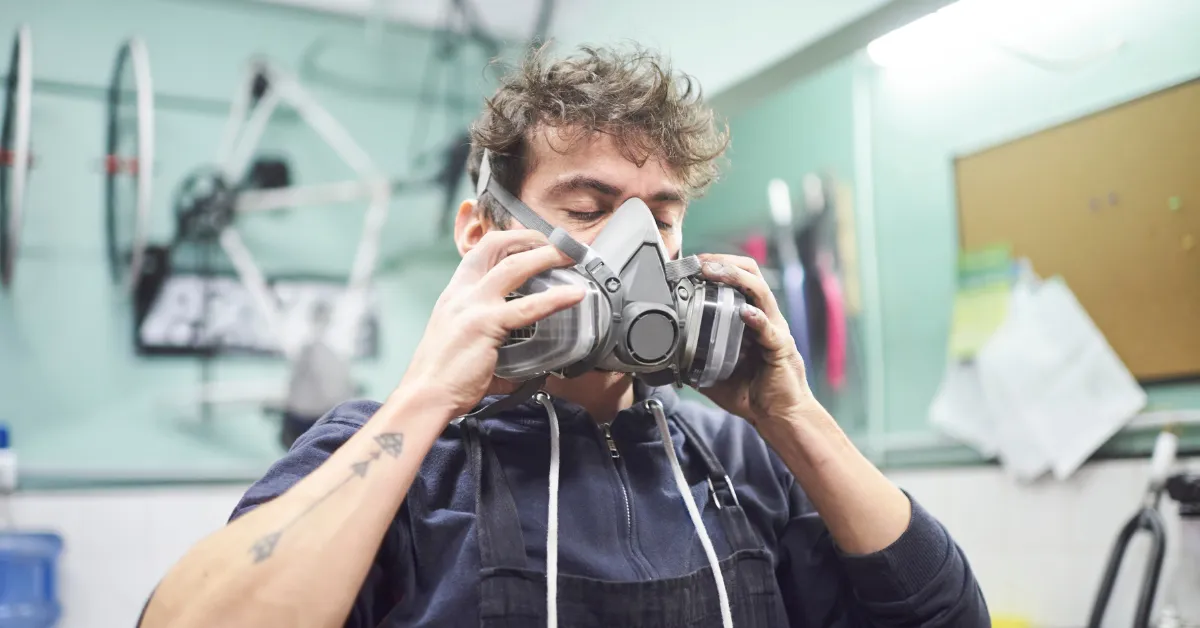
Respiratory equipment can be categorised into two main types: air-purifying respirators (APRs) and atmosphere-supplying respirators (ASRs).
Air-Purifying Respirators (APRs):
-
Disposable Respirators (N95, FFP2): These masks filter out particulates and are commonly used in healthcare and construction.
-
Half-Face Respirators: Cover the nose and mouth, equipped with replaceable filters for particulates, gases, and vapours.
-
Full-Face Respirators: Cover the entire face, providing a higher level of protection with similar filter options to half-face respirators.
-
Powered Air-Purifying Respirators (PAPRs): Use a battery-powered blower to pull air through filters, providing clean air to the user.
Understanding Respiratory Hazards
When choosing the right respiratory equipment, it's crucial to consider the required level of protection. Different environments and tasks may necessitate varying levels of protection, so assessing potential hazards is essential before selecting a respirator. Understanding the types of airborne contaminants is key to choosing the most effective gear. For instance, particulate respirators filter out dust and debris, while gas masks protect against chemical vapours and gases.

Comfort significantly impacts the proper use of respiratory equipment. Selecting gear with adjustable straps and ergonomic designs enhances comfort during extended wear. Consider factors like weight distribution and fit to prevent discomfort or gaps that could compromise safety. Regular maintenance and proper storage are vital for ensuring the equipment's effectiveness over time. Following manufacturer guidelines for cleaning and storing gear helps prolong its lifespan and maintains peak performance when needed most.
Types of Airborne Contaminants in Work Environments
- Dust: Common in construction, mining, and woodworking.
- ​​Fumes: Often found in welding and smelting operations.
- Toxic Chemicals: Present in industries such as pharmaceuticals and chemical manufacturing.
- Infectious Particles: Relevant in healthcare and laboratory settings.
Factors to Consider When Choosing Gear
- Hazard Assessment: Identify the type and concentration of contaminants.
- Fit and Comfort: Ensure a proper fit to prevent leaks and promote long-term wear.
- Filter Type and Efficiency: Match the filter to the specific contaminants.
- Work Environment: Consider conditions such as temperature and humidity.
- Regulatory Compliance: Ensure the equipment meets relevant safety standards.
- Maintenance and Durability: Assess the ease of maintenance and longevity of the equipment.
Proper Usage and Maintenance
Ensuring the proper use and maintenance of respiratory equipment is vital for its effectiveness.
Training on How to Use and Care for Equipment
-
Proper Fit Testing: Conduct regular fit tests to ensure a proper seal.
-
User Training: Educate workers on correct donning, doffing, and usage procedures.
-
Regular Maintenance: Follow manufacturer guidelines for cleaning, inspection, and part replacement.
-
Storage: Store equipment in clean, dry conditions to prevent contamination and damage.
Ensuring Compliance with Regulations
Compliance with occupational safety standards is essential for both legal and safety reasons.
Meeting Occupational Safety Standards
-
Regulatory Bodies: Ensure adherence to standards set by OSHA, NIOSH, and relevant EU regulations.
-
Documentation: Keep records of hazard assessments, fit tests, and training sessions.
-
Regular Audits: Conduct periodic audits to ensure ongoing compliance and address any issues promptly.
Proper respiratory protection is critical in safeguarding worker health in environments with airborne hazards. By understanding the types of respiratory equipment, key factors in selection, and proper usage and maintenance, you can ensure optimal safety for yourself and your team. Prioritising respiratory protection not only complies with regulations but also promotes a healthier, more productive workplace.
Check our wide range of respiratory protection!
Stay informed, stay protected, and always prioritise safety!
Don't forget to explore our extensive range of Safety Masks and Respirators to ensure your protection on the job. For more valuable safety tips and product insights, visit our blog. If you have any questions or need assistance, feel free to reach out to us at: customerservices@safetyworkwear.ie.
Why Anti-Slip Shoes Are a Workplace Essential
In any work environment, safety should be a top priority. Among the various safety gear, anti-slip shoes play a crucial role in preventing accidents and ensuring the well-being of employees. This article will delve into why anti-slip shoes are a workplace essential, the science behind their effectiveness, and answer some common questions related to them. We will also explore how specific workplaces can benefit from slip-resistant shoes and introduce some recommended products that ensure safety and comfort.
When it comes to preventing slipping in the workplace, the primary safety requirement for shoes is the slip-resistant sole. Slip-resistant shoes are specifically designed to provide better traction on slippery surfaces. The tread pattern, rubber compound, and sole design are all key factors that contribute to a shoe’s slip resistance.
How Do Anti-Slip Shoes Work?
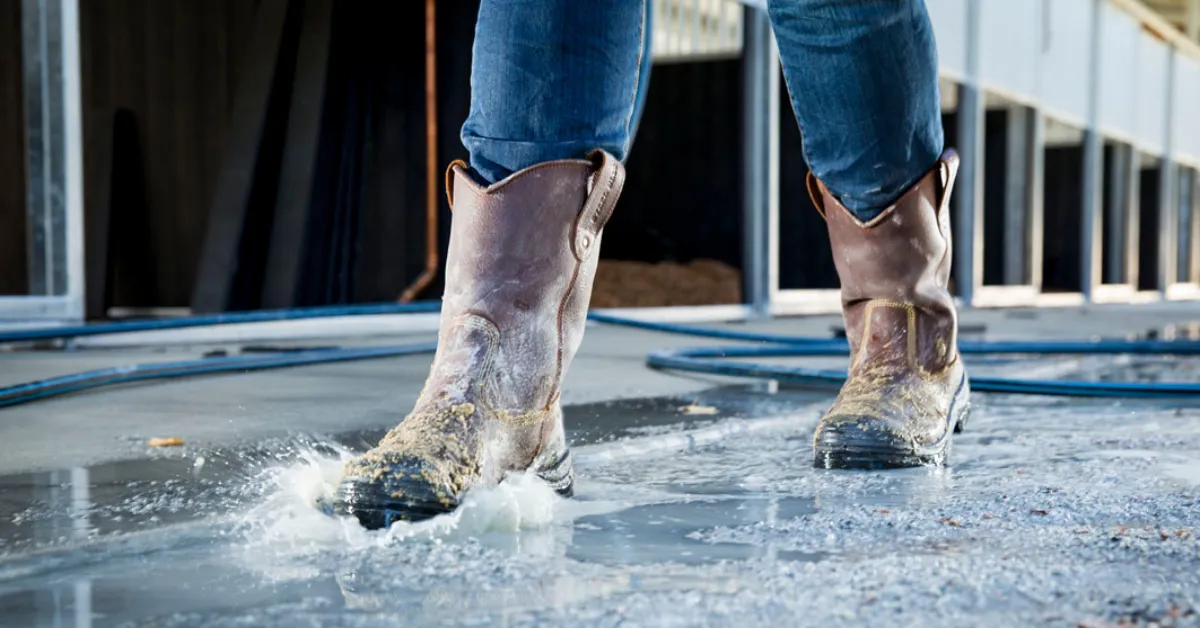
Anti-slip shoes work by increasing friction between the shoe and the walking surface. The enhanced grip is achieved through specialised soles made from materials with high traction properties. Here’s a closer look at how they function:
Tread Pattern: Channelling Away Liquids
The tread pattern on the sole of anti-slip shoes is one of the most critical factors in preventing slips and falls.
-
Functionality: When walking on a wet surface, water can create a thin layer between the sole and the ground, leading to hydroplaning—a phenomenon where the shoe loses traction and slides uncontrollably. The grooves in the tread pattern work by channelling water away from the contact points of the sole, allowing the shoe to maintain direct contact with the surface.
-
Design of the Tread: The sole often features deep grooves and channels that are strategically placed. These grooves can vary in size, shape, and orientation depending on the shoe's intended use.
-
Effectiveness: The effectiveness of this design can be seen in environments like kitchens, hospitals, and industrial settings where floors often get wet. By dispersing the water efficiently, the risk of slips is significantly reduced, ensuring that employees can walk safely even in challenging conditions.
Rubber Compound: Material Matters
The rubber compound used in the soles of anti-slip shoes is another crucial element that determines their effectiveness:
-
Types of Rubber: Different types of rubber compounds are used based on the specific needs of the shoe. Softer rubbers are generally preferred for anti-slip shoes because they offer more grip. This is because softer materials can deform slightly under pressure, increasing the contact area with the ground.
-
Traction and Grip: The pliability of softer rubber allows it to adapt to the microscopic irregularities on the floor surface, providing better traction. This is essential in environments where surfaces can be smooth and slick, such as tiled floors or polished concrete.
-
Durability and Wear: While softer rubber offers better traction, it can wear out more quickly than harder compounds. Therefore, manufacturers must balance between providing sufficient grip and ensuring that the shoes are durable enough to withstand the daily wear and tear of the workplace.
Sole Design: Broadening the Base
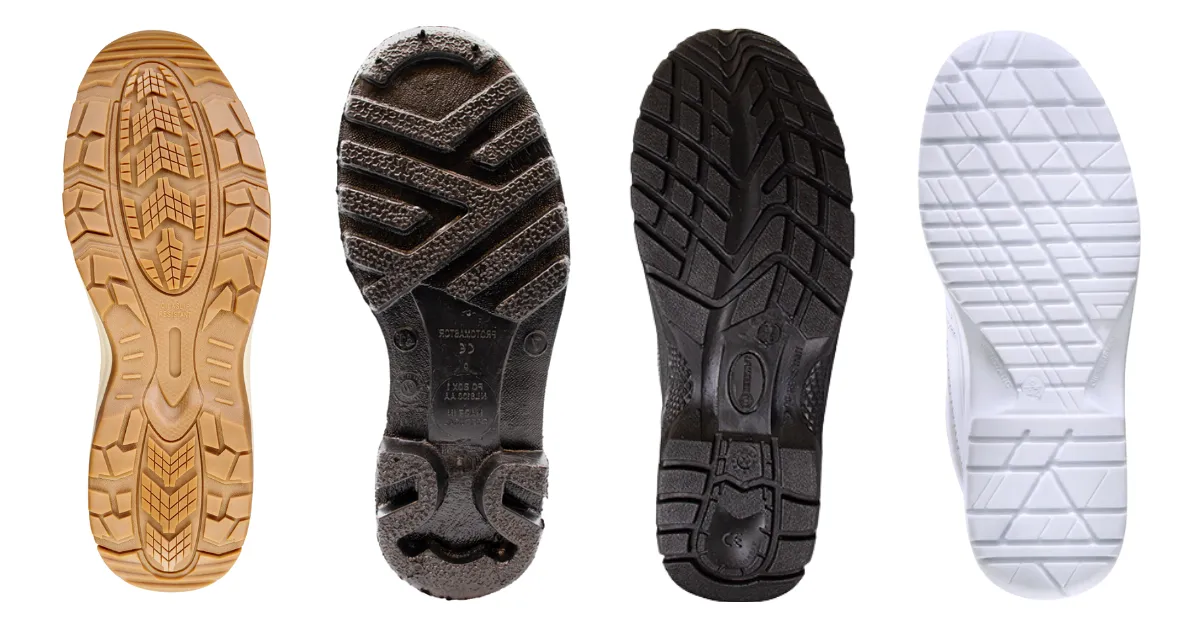
The overall design of the shoe's sole also plays a significant role in preventing slips:
-
Surface Area: A broader surface area of the sole in contact with the ground helps in distributing the wearer's weight more evenly. This even distribution minimises pressure points that can cause instability.
-
Stability: Shoes with a wider sole design tend to be more stable. Stability is critical in environments where quick movements or carrying heavy loads are common. A stable shoe helps in maintaining balance, thereby reducing the likelihood of slips.
-
Weight Distribution: In addition to the surface area, the design often includes features such as a slight heel-to-toe drop or arch support. These features ensure that weight is distributed in a way that promotes natural and stable walking patterns.
Is Anti-Slip the Same as Non-Slip?
Yes, anti-slip and non-slip essentially refer to the same characteristic in shoes. Both terms are used interchangeably to describe footwear designed to provide better traction and prevent slipping. However, it’s essential to note that not all shoes labelled as “non-slip” meet the same standards. Always check for certifications and reviews to ensure the effectiveness of the shoes.
The Importance of Anti-Slip Shoes in the Workplace

Slip-resistant shoes & boots are more than just a safety requirement; they are a crucial investment in the health and productivity of the workforce. Here are some reasons why they are indispensable in the workplace:
Preventing Workplace Accidents
Slips and falls are among the most common workplace accidents. Anti-slip shoes and boots significantly reduce the risk of these incidents, contributing to a safer work environment. For instance, in a busy restaurant kitchen where spills are frequent, the FS46 Amblers Slip can help staff maintain their footing and avoid dangerous falls.
Enhancing Employee Productivity
When employees feel safe, they can focus better on their tasks, leading to increased productivity and efficiency. For example, farmer workers wearing 142PP Protomastor Full Safety boots can navigate slippery floors with confidence, ensuring they can complete their tasks without fear of slipping.
Reducing Injury-Related Costs
Workplace injuries can lead to costly medical bills, compensation claims, and lost workdays. Anti-slip shoes help in mitigating these expenses by preventing accidents. In industrial settings, the durability of Rock Fall Honey or Southern Cross Zip can provide long-lasting protection, reducing the need for frequent replacements and associated costs.
Adapting to Various Environments
Anti-slip shoes are versatile and suitable for different working conditions, ensuring safety across diverse environments. For example, in healthcare, FW81 Slip On are ideal for medical professionals who need to move quickly and safely in environments where spills are common.
Versatile Styles and Comfort
Modern anti-slip shoes come in various styles and designs, ensuring that employees do not have to compromise on comfort or aesthetics while adhering to safety standards. The No Risk Black Panther ESD, for instance, offers both style and functionality, suitable for environments that require a professional appearance without sacrificing style.
Where to Buy Anti-Slip Shoes?
Anti-slip shoes are widely available and can be purchased from various retailers, both online and offline. The good news is that we have a wide range of anti slip shoes and boots, and you are just a click away!
Stay informed, stay protected, and always prioritise safety!
Don't forget to explore our extensive range of Anti-slip Safety shoes and Boots to ensure your protection on the job. For more valuable safety tips and product insights, visit our blog. If you have any questions or need assistance, feel free to reach out to us at: info@safetyworkwear.ie.
Stay Safe This Season: Why Outdoor DIY Protection Matters More Than Ever
When the sun finally peeks out in Ireland, there’s a buzz in the air. Whether you’re a contractor taking on extra jobs or a weekend warrior tackling the garden, brighter days bring the perfect excuse to get moving on your home improvement plans. But before you break out the tools or power up the lawnmower, there’s something else you should reach for first: the right outdoor DIY protection.
Here’s why gearing up properly — with everything from protective gloves to face masks — makes all the difference for your comfort, safety, and productivity.
1. Protecting Your Hands: The Power of the Right Gloves
Let’s face it — your hands do most of the work. Whether you’re digging, sanding, painting, or lifting, they’re constantly exposed to rough surfaces, chemicals, sharp edges, and splinters. That’s why protective gloves are one of the smartest and most essential pieces of safety gear.
But not all gloves are created equal. The type you choose depends on your task:
-
Cut-resistant gloves are ideal for handling tools or working with wood.
-
Nitrile-coated gloves offer excellent grip and resistance when dealing with oils or wet surfaces.
-
Gardening gloves protect against thorns and dirt while keeping your hands dry and comfy.
Investing in high-quality gloves not only prevents cuts, abrasions, and blisters — it also helps you work more confidently and efficiently.
Check out our full range of protective gloves.
2. Knee Pads: The Unsung Hero of Outdoor Projects
If you’ve ever spent an afternoon kneeling on gravel, decking, or soil, you know how unforgiving it can be. Over time, it can lead to serious strain or even long-term injury — especially for professionals who work on-site daily.
That’s where kneepads come in.
Modern kneepads are lightweight, flexible, and built for comfort. Whether you’re installing flooring, doing garden work, or laying patio slabs, they cushion your joints and protect against pressure and hard surfaces. Think of them as a small investment that saves your knees a lifetime of pain.
Shop kneepads and other protective accessories
3. Breathe Easy: Don’t Skip the Face Masks
When it comes to safety, people often forget the importance of protecting their lungs. Whether you're painting indoors, cutting the grass, or using power tools, airborne particles are no joke.
Face masks are a must for:
-
Blocking dust and pollen during garden work
-
Shielding your lungs from paint fumes and chemicals
-
Staying protected while sanding, drilling, or sawing
A good-quality face mask ensures you're not breathing in anything you shouldn't — and helps reduce fatigue from allergens or toxic exposure.
Explore our selection of face masks for painting and yard work.
4. Dress for the Season: Stay Cool, Safe & Comfortable
It might not be a scorcher out there (we’re still in Ireland after all!), but wearing heavy, restrictive clothing during summer projects can lead to overheating, discomfort, and distraction. The solution? Purpose-designed summer workwear.
Lightweight, breathable, and designed to move with you, summer workwear keeps you cool and focused. Look for features like:
-
Moisture-wicking fabric
-
Ventilated panels
-
UV protection
-
Durable material that doesn’t sacrifice safety
It’s especially important for those working outdoors all day, whether that’s landscaping, fencing, or carrying out home repairs.
Browse our summer workwear collection.
Protect Yourself, Enjoy the Work
DIY and outdoor projects are rewarding — especially when the weather finally gives us a break. But staying safe is what makes the job enjoyable. Whether you’re a pro on the job site or a weekend tinkerer, the right gear makes all the difference.
From protective gloves and kneepads to face masks and summer-ready workwear, we’ve got you covered for all your seasonal tasks. So before you start your next project, take a moment to gear up. Your future self will thank you.
Explore our full DIY protection range here!
Stay informed, stay protected, and always prioritise safety!
Don't forget to explore our extensive range of Outdoor DIY Protection to ensure your protection on the job or gardening time.
For more valuable safety tips and product insights, visit our blog. If you have any questions or need assistance, feel free to reach out to us at: customerservices@safetyworkwear.ie
Correct Usage of your 3Mâ„¢ Reusable Full or Half Mask Respirator
In industrial, construction, and agricultural environments, your respiratory health is critical. Whether you're dealing with dust, fumes, or harmful vapours, having the right protective gear isn't just about ticking a box – it’s about safeguarding your lungs and well-being. If you're using a 3M™ Reusable Respirator, such as the 3M™ 6200 Half Mask (M), 3M™ 6300 Half Mask (L), 3M™ 6800 Full Face Mask (M), or 3M™ 6900 Full Face Mask (L), it's important to understand that you need a complete filter system to ensure comprehensive protection.
This guide will explain why you need to buy three essential products together to guarantee that your respiratory gear is fully effective and compliant with safety standards.
Complete Your Respirator Setup with These Three Key Products
To ensure your respiratory protection is complete, you must pair your mask with these three essential components:
-
3M 6057 Gas & Vapour Filter ABE1 (1 Pair)
This gas and vapour filter provides reliable protection against a range of harmful substances, including organic vapours, inorganic gases, and acid gases. It is crucial for environments where there are airborne hazards like solvents, chemicals, and acidic fumes.Why it’s important:
Without this filter, your mask won't be able to protect you against gas or vapour exposure, leaving you vulnerable to inhaling harmful substances that could seriously impact your health over time. -
3M 5935 Particulate Filter P3 R (1 Pair)
The 3M 5935 filter provides protection against particulates like fine dusts, mists, and other solid or liquid particles. This filter is critical if you’re working in environments with airborne particles, such as construction sites, agricultural fields, or manufacturing plants.Why it’s important:
The 3M 5935 particulate filter ensures P3-level protection from dust and mist, offering a higher standard of particulate protection. If you skip this filter, you’re leaving yourself exposed to airborne dust, which can cause long-term respiratory issues. -
3M 501 Reusable Respirator Filter Retainer (1 Pair)
The 3M 501 retainer is designed to hold your particulate filters securely in place when used in conjunction with gas and vapour filters. Without this retainer, you won’t be able to properly attach the 3M 5935 particulate filter to the 3M 6057 gas and vapour filter, leaving your respirator setup incomplete.Why it’s important:
The retainer ensures that your filters are securely fastened and working in tandem. Without it, your setup is ineffective, and your respiratory health is at serious risk.
Why You Need the Complete Set for Full Protection
Many workers mistakenly believe that buying just a mask or a single filter is enough. But if you don't buy all three components together, your respirator won't provide the protection you need. Here’s why:
-
Inadequate Gas and Vapour Protection: Without the 3M 6057 gas and vapour filter, harmful gases and vapours in your environment can still enter your respiratory system, causing serious health issues over time, including lung damage or respiratory diseases.
-
Lack of Particulate Protection: In industrial settings, you're likely exposed to dust, mists, and particulates, which can be just as harmful as gases. The 3M 5935 particulate filter adds an extra layer of protection against these hazards.
-
Incomplete Filter Setup: The 3M 501 retainer is necessary to ensure both your gas/vapour and particulate filters stay in place. Without this, your filters may not function correctly, leaving you vulnerable to inhaling dangerous particles and fumes.
Protect Your Health with the Right Setup
Whether you're working in construction, agriculture, or industrial manufacturing, using a complete and reliable respirator setup is essential for your safety. By purchasing the 3M 6057 Gas & Vapour Filter, 3M 5935 Particulate Filter, and 3M 501 Filter Retainer together, you’re ensuring that your respirator is fully equipped to handle the hazards of your work environment.
These filters are compatible with the following masks:
- 3M™ 6200 Reusable Half Mask (M)
- 3M™ 6300 Reusable Half Mask (L)
- 3M™ 6800 Full Face Mask (M)
- 3M™ 6900 Full Face Mask (L)
Don’t risk incomplete protection—make sure your respiratory gear is fully equipped by purchasing all three components together.
Stay informed, stay protected, and always prioritise safety!
Browse now to get your complete respiratory protection kit. For more valuable safety tips and product insights, visit our blog. If you have any questions or need assistance, feel free to reach out to us at: customerservices@safetyworkwear.ie
Hands-On Guide: Discover the Best Safety Gloves for Every Job and Hazard.
Safety gloves are an essential part of personal protective equipment (PPE) in several industries. Whether you're operating machinery, handling chemicals, working with heat, or involved in construction, choosing the right safety gloves is crucial for ensuring your safety and comfort. In this guide, we will explore the different types of safety gloves, their recommended uses, and specific classifications like Category 3 gloves. With this information, you’ll be well-equipped to select the perfect gloves for your needs and stay protected on the job.
How Many Types of Safety Gloves Are There?
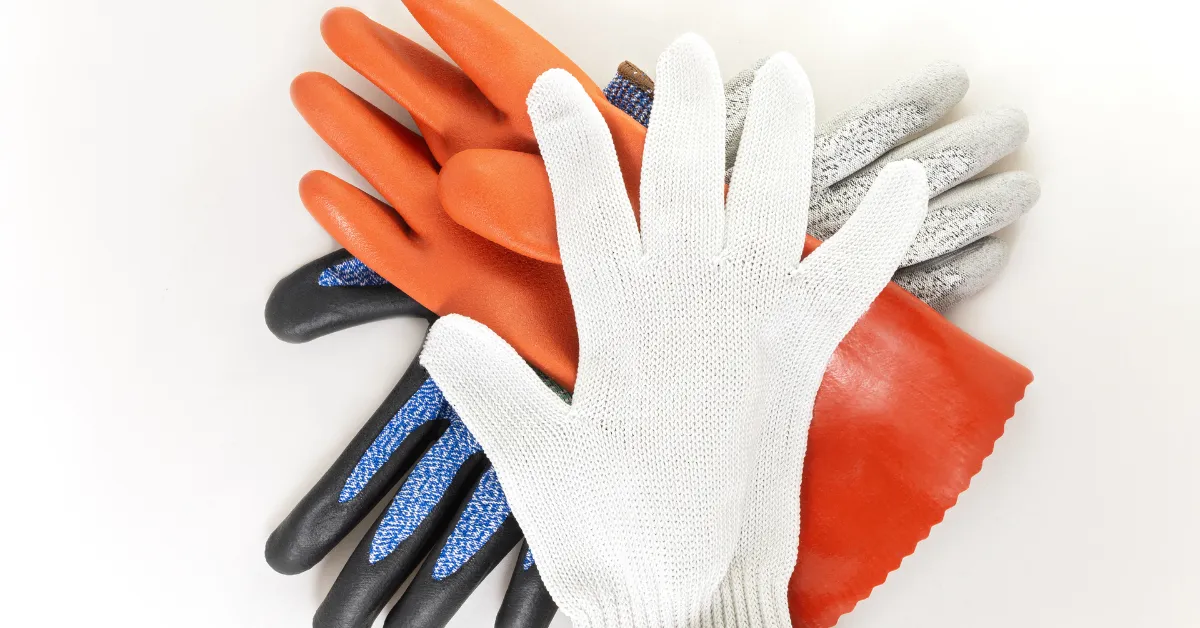
Safety gloves come in various types, each designed for specific hazards and applications. Here are the main categories:
Disposable Gloves:
-
Latex Gloves: Known for their flexibility and comfort, latex gloves are widely used in medical and laboratory settings. They provide good protection against biohazards and chemicals but may cause allergies in some users.
-
Nitrile Gloves: These gloves offer excellent chemical resistance and are a great alternative for those allergic to latex. They are commonly used in healthcare, food handling, and industrial applications.
-
Vinyl Gloves: Made from PVC, vinyl gloves are less durable than latex or nitrile but are cost-effective for short-term use. They are suitable for low-risk tasks like cleaning and food preparation.
Chemical-Resistant Safety Gloves for Industrial Use:
-
Butyl Gloves: Highly resistant to gases and chemicals, butyl gloves are used in chemical handling, hazmat response, and laboratory work.
-
Neoprene Gloves: These gloves provide good protection against acids, oils, and solvents. They are flexible and suitable for industrial and laboratory environments.
-
PVC Gloves: PVC gloves offer excellent resistance to abrasion, chemicals, and oils. They are commonly used in petrochemical, construction, and manufacturing industries.
Cut Resistant Gloves:
-
Kevlar Gloves: Made from strong synthetic fibres, Kevlar gloves provide excellent cut and puncture resistance. They are ideal for tasks involving sharp objects, such as glass handling and metal fabrication.
-
HPPE Gloves: High-performance polyethylene (HPPE) gloves offer superior cut resistance and are lightweight and comfortable. They are used in automotive, construction, and food processing industries.
-
Metal Mesh Gloves: Constructed from stainless steel mesh, these gloves provide the highest level of cut resistance. They are commonly used in meat processing and other high-risk cutting tasks.
Heat-Resistant Safety Gloves for Welding and Metalwork:
-
Aluminised Gloves: Designed to withstand high temperatures, aluminised gloves are used in foundries, welding, and glass manufacturing.
-
Heat Resistant Fabric Gloves: Made from materials like Kevlar or Nomex, these gloves provide protection against burns and heat exposure. They are used in industries like firefighting, automotive, and metalworking.
Best Impact-Resistant Safety Gloves for Construction Workers:
-
Thermoplastic Rubber (TPR) Gloves: These gloves feature TPR pads on the back of the hand and fingers to absorb impact. They are used in construction, oil and gas, and heavy machinery operations.
What Type of Gloves Are Recommended?

The recommended type of safety gloves depends on the specific hazards and tasks involved. Here are some general recommendations:
-
Medical and Laboratory Work: Nitrile or latex disposable gloves provide good protection against biohazards and chemicals.
-
Chemical Handling: Butyl, neoprene, or PVC gloves are suitable for handling hazardous chemicals and solvents.
-
Cut Hazards: Kevlar, HPPE, or metal mesh gloves offer excellent cut resistance for tasks involving sharp objects.
-
Thermal Hazards: Aluminised or heat-resistant fabric gloves protect against high temperatures and burns.
-
Electrical Work: Rubber insulating gloves are essential for protection against electrical shocks.
-
Impact Hazards: TPR gloves provide impact resistance in heavy-duty tasks.
What Are Category 3 Gloves?
Category 3 gloves, also known as complex design gloves, are designed to protect against the highest levels of risk. They are used in situations where there is a serious risk of injury or irreversible harm. These gloves must meet stringent standards and undergo rigorous testing to ensure their effectiveness. They are commonly used in industries like:
- Chemical Handling: Protect against highly hazardous chemicals.
- Electrical Work: Provide protection against high voltage.
- Firefighting: Protect against extreme heat and flames.
- Heavy Machinery Operation: Offer impact and cut resistance in high-risk environments.
Understanding EU Certifications for Safety Gloves

Safety gloves in the EU must adhere to specific standards to ensure adequate protection. Here are the main certifications in detail:
-
EN 420: This standard outlines the general requirements for glove construction, including design principles, fit, and dexterity. It ensures that gloves are comfortable to wear and are labelled correctly, providing essential information about their protection levels.
-
EN 388: This certification addresses protection against mechanical risks. It includes tests for abrasion resistance, cut resistance, tear resistance, and puncture resistance. Gloves are rated based on their performance in these tests, helping users select the appropriate gloves for their specific mechanical hazard needs.
-
EN 374: This standard focuses on protection against chemicals and microorganisms. It includes permeation and penetration tests to measure how well the glove material resists chemical breakthrough and prevents microorganisms from passing through. This certification is crucial for gloves used in chemical handling and laboratory work.
-
EN 407: EN 407 standard evaluates protection against thermal hazards such as heat and fire. It includes tests for resistance to flammability, contact heat, convective heat, radiant heat, small splashes of molten metal, and large quantities of molten metal. This certification is essential for gloves used in welding, foundries, and high-temperature environments.
-
EN 511: This certification deals with protection against cold, including both convective and contact cold. It tests the glove's thermal insulation properties and resistance to water penetration. Gloves with this certification are suitable for use in cold storage, outdoor work in winter, and other cold environments.
-
EN 12477: This standard specifies the requirements for gloves used in welding operations. It covers aspects such as resistance to small splashes of molten metal, thermal insulation, and mechanical protection. There are two types of welding gloves under this standard: Type A (for higher protection, less dexterity) and Type B (for lower protection, more dexterity).
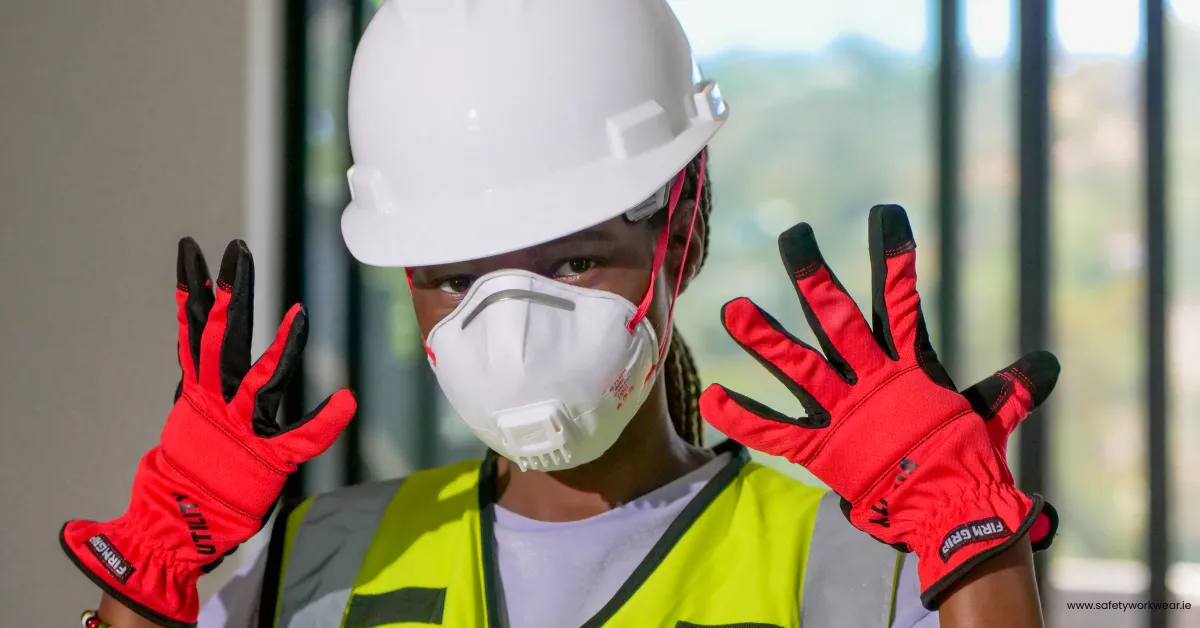
Safety gloves are a crucial component of personal protective equipment, offering protection against a wide range of hazards. By understanding the different types of gloves and their uses, you can select the right gloves for your specific needs. Whether you're handling chemicals, working with sharp objects, or exposed to extreme temperatures, there's a safety glove designed to protect you. Always prioritise quality and compliance with safety standards to ensure maximum protection and performance.
For more information on specific gloves, check out our articles on Anti-vibration gloves for machinery operators, Chemical-resistant safety gloves for industrial use, Heat-resistant safety gloves for welding and metalwork, and Best impact-resistant safety gloves for construction workers.
Stay informed, stay protected, and always prioritise safety!
Don't forget to explore our extensive range of Safety Gloves to ensure your protection on the job. For more valuable safety tips and product insights, visit our blog. If you have any questions or need assistance, feel free to reach out to us at: customerservices@safetyworkwear.ie
Comprehensive Guide: How to Choose the Best Safety Boots for Your Industry.
Choosing the right safety boots is crucial for ensuring comfort, protection, and productivity in various industries. Whether you're in construction, manufacturing, or another demanding field, the right pair of safety boots can make a significant difference. This guide will help you understand the essential qualities of a good safety boot, the factors employees should consider when choosing footwear, and the different types of industrial boots available. Additionally, we'll provide examples of the types of safety boots and the industries they are best suited for.
What are the Qualities of a Good Safety Boot?
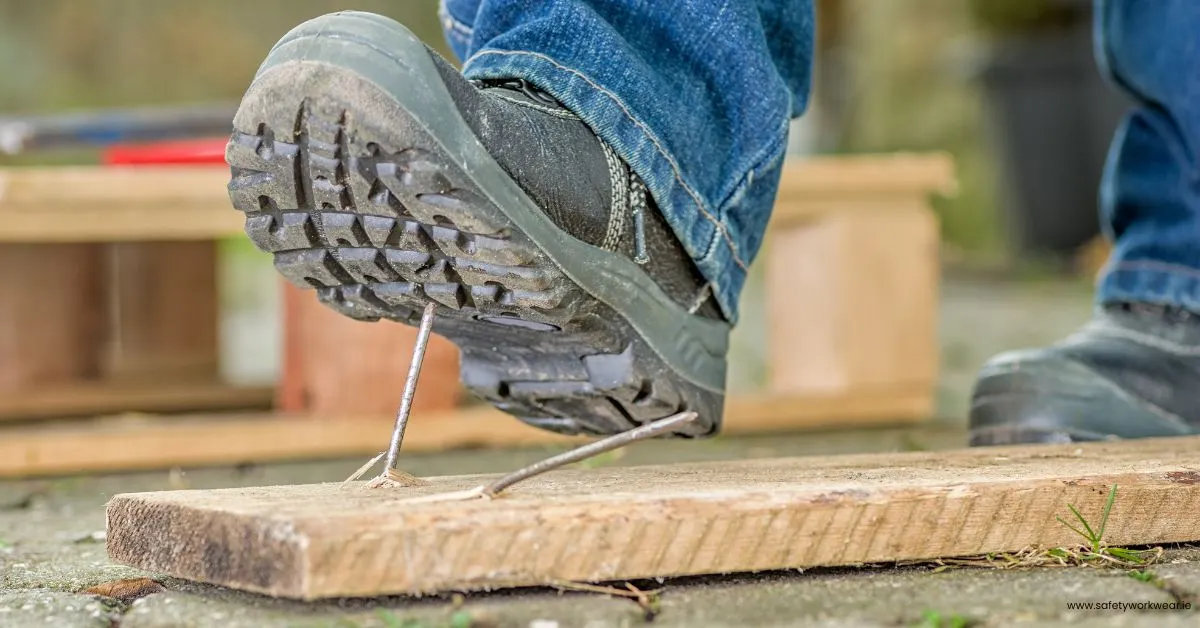
A good safety boot should provide comprehensive protection and comfort for the wearer. Here are some essential qualities to look for:
Protection Features:
-
Steel Toe Caps: Steel toe caps are designed to withstand an impact of up to 200 joules and resist a compression force of 15,000 newtons. These boots are ideal for industries where there is a high risk of heavy objects falling on the feet, such as construction and manufacturing.
-
Composite Toe Caps: Composite toe caps, made from materials like fibreglass, Kevlar, or carbon fibre, offer protection comparable to steel toes. They can withstand impacts of up to 200 joules and are lighter and non-conductive, making them suitable for electrical work and environments with metal detectors.
-
Metatarsal Guards: These guards provide additional protection to the top of the foot, withstanding impacts of up to 100 joules and compression forces of up to 15,000 newtons. They are often used in heavy industries where dropping heavy objects is common, such as mining and construction.
-
Puncture-Resistant Soles: These soles protect the feet from sharp objects like nails and glass. Typically made of steel or Kevlar, they can resist punctures with a force of up to 1,100 newtons, making them crucial for construction and waste management sectors.
Comfort and Fit:
-
Cushioned Insoles: Cushioned insoles help reduce fatigue and provide arch support, essential for workers who stand for long periods. Look for boots with memory foam or gel inserts for added comfort.
-
Breathable Materials: Breathable materials, such as mesh and moisture-wicking fabrics, keep feet dry and comfortable, reducing the risk of fungal infections. Breathable safety boots are ideal for hot climates and indoor work environments.
-
Lightweight Design: Lightweight boots, often made from composite materials, reduce the strain on the legs and back, enhancing mobility and reducing fatigue. These are preferred in industries requiring agility and long hours of wear.
Durability:
-
High-Quality Materials: Ensure the boots can withstand harsh conditions and last longer, providing better value for money. Leather and high-grade synthetic materials are commonly used for their durability.
-
Waterproofing: Waterproof safety boots are essential for outdoor work and wet environments. They keep feet dry and prevent the deterioration of the boot material, which is crucial for long-term durability.
Safety Certifications:
-
Compliance with Standards: Safety boots should meet industry standards such as ASTM (American Society for Testing and Materials) or EN ISO (European Standards). In the EU, the EN ISO 20345 standard specifies that safety footwear must have toe protection against a 200-joule impact. The standard also covers other protective features like anti-slip, anti-static, and energy absorption in the heel area. Boots that comply with these standards have been rigorously tested to ensure they provide adequate protection in various workplace scenarios.
What Factors Should Employees Consider When Choosing Footwear?

Selecting the right safety boots involves more than just picking a pair off the shelf. Here are the key factors employees should consider:
Job Hazards:
Different jobs have different hazards. Construction workers need protection from falling objects and sharp debris, while electricians need non-conductive boots. Understanding the specific risks of the job helps in choosing the appropriate safety features.
Environmental Conditions:
Consider the environment where the boots will be worn. For example, waterproof safety boots are essential for wet conditions, while insulated safety boots are necessary for cold environments.
Comfort and Fit:
Ill-fitting boots can cause blisters, calluses, and long-term foot problems. Employees should ensure the boots fit well, with enough room to wiggle toes and sufficient arch support. Trying on boots with work socks and wearing them for a short period before making a decision is advisable.
Material and Construction:
The materials and construction of the boots should be suited to the demands of the job. Leather is durable and offers good protection, while synthetic materials may offer better breathability and weight reduction.
Budget:
While it's tempting to choose the most affordable safety boots, it's important to balance cost with quality. Affordable safety boots can be found, but they should still meet all the necessary safety and comfort requirements.
What are the Different Types of Industrial Boots?
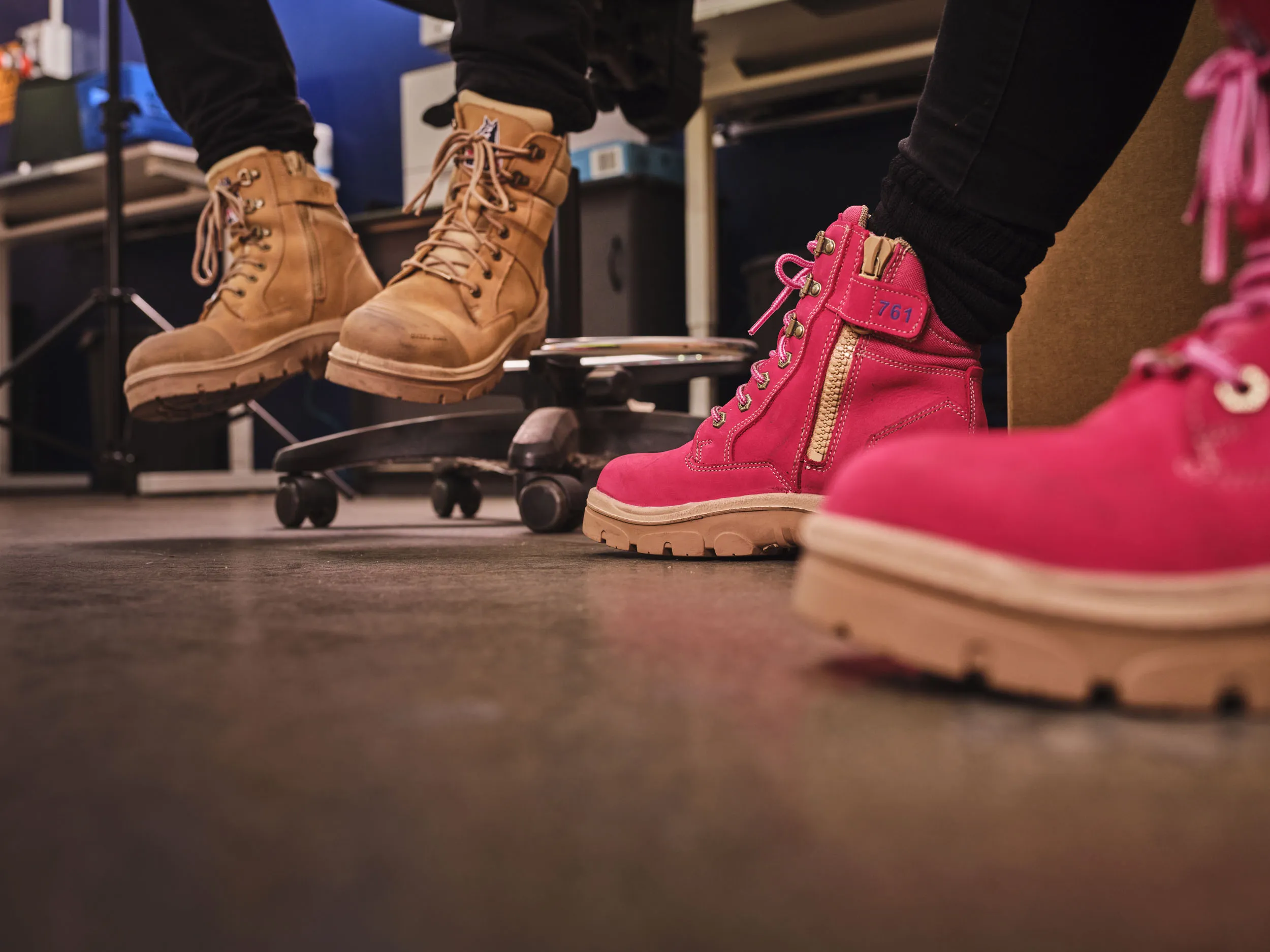
Industrial boots come in various types, each designed to address specific needs and hazards. Here are some common types:
Steel Toe Boots
-
Description: Boots with reinforced steel in the toe area for maximum protection.
-
Best For: Construction, manufacturing, heavy machinery industries.
-
Example: Steel toe work boots provide superior protection against heavy impacts and compression.
Composite Toe Boots
-
Description: Boots with non-metallic toe caps made from materials like fibreglass, Kevlar, or carbon fibre.
-
Best For: Electrical work, security sectors, and areas where metal detectors are used.
-
Example: Composite toe boots offer similar protection to steel toes but are lighter and non-conductive.
Waterproof Boots
-
Description: Boots designed to keep feet dry in wet conditions.
-
Best For: Outdoor work, landscaping, and environments with frequent water exposure.
-
Example: Waterproof safety boots ensure comfort and prevent material deterioration.
Insulated Boots
-
Description: Boots with insulation to keep feet warm in cold environments.
-
Best For: Outdoor winter work, refrigerated environments, and cold storage facilities.
-
Example: Insulated safety boots provide warmth and comfort in low-temperature conditions.
Slip-Resistant Boots
-
Description: Boots with specially designed soles to provide better grip on slippery surfaces.
-
Best For: Food service, healthcare, and any industry with wet or oily floors.
-
Example: Slip-resistant safety boots enhance safety in environments prone to spills and slick surfaces.
Lightweight Boots
-
Description: Boots made from lighter materials to reduce fatigue and increase comfort.
-
Best For: Jobs requiring long hours of standing or walking, such as logistics and warehousing.
-
Example: Best lightweight safety boots offer protection without the added weight.
Breathable Boots
-
Description: Boots made with materials that allow air circulation to keep feet dry and cool.
-
Best For: Indoor work, hot climates, and environments where moisture management is crucial.
-
Example: Breathable safety boots prevent foot infections and improve overall comfort.
Safety Boots with Arch Support
-
Description: Boots that provide additional support to the arch of the foot, reducing strain.
-
Best For: Workers with flat feet or those who stand for long periods.
-
Example: Safety boots with arch support improve posture and reduce foot fatigue.
Affordable Safety Boots
-
Description: Budget-friendly options that do not compromise on safety and comfort.
-
Best For: Companies looking to equip large teams without overspending.
-
Example: Affordable safety boots offer a balance of cost-effectiveness and essential features.
Examples of Safety Boots and Their Best Uses
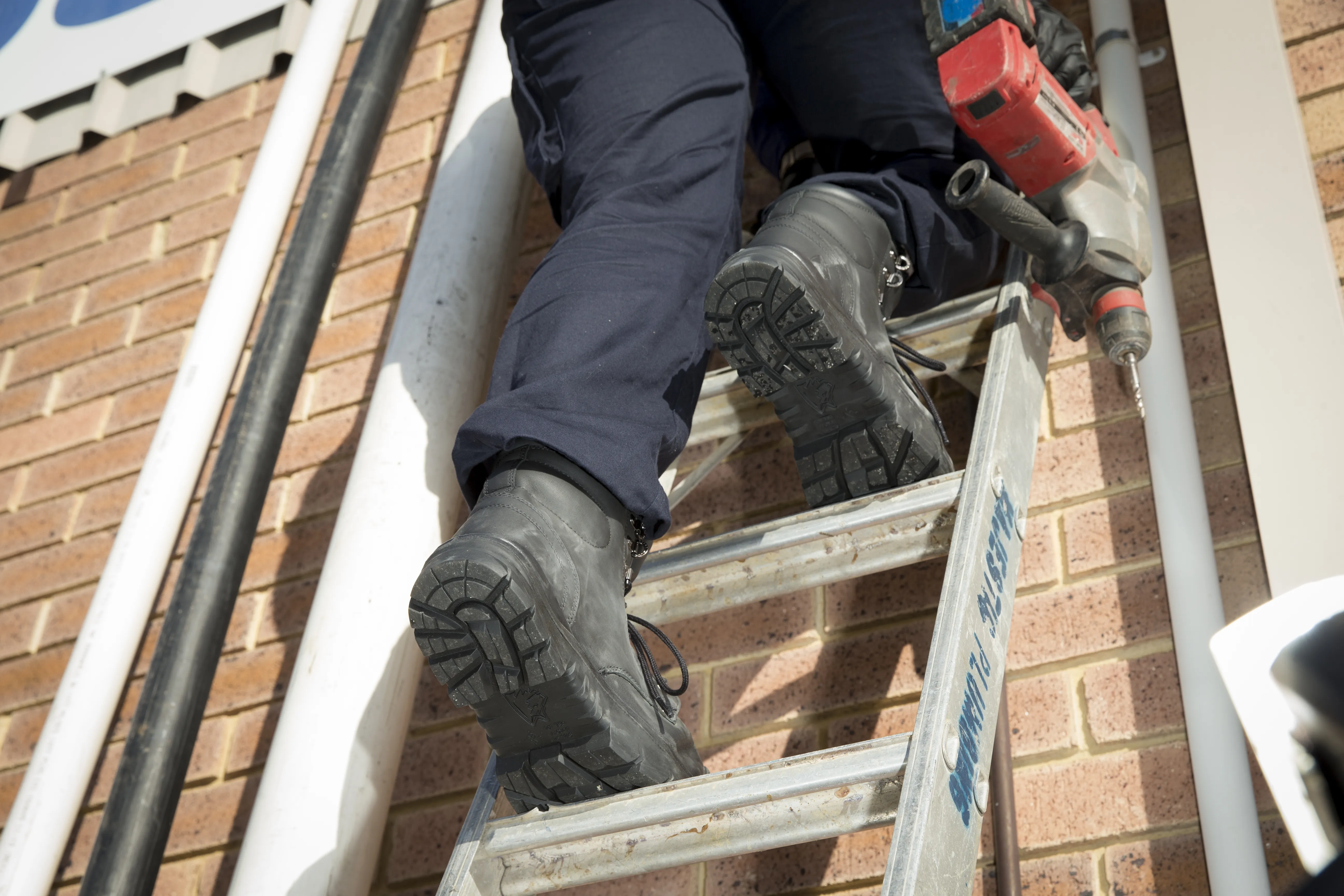
Construction Industry
-
Recommended Boots: Steel toe work boots, puncture-resistant soles, and metatarsal guards.
-
Why: The construction industry involves heavy machinery, falling objects, and sharp debris. Steel toe boots provide maximum protection against impacts, while puncture-resistant soles prevent injuries from sharp objects.
Electrical Work
-
Recommended Boots: Composite toe boots, non-conductive materials.
-
Why: Electrical work requires non-conductive footwear to prevent electrical hazards. Composite toe boots are lighter and provide the necessary protection without the risk of conducting electricity.
Food Service
-
Recommended Boots: Slip-resistant boots, breathable materials.
-
Why: Food service environments often have wet or oily floors. Slip-resistant boots reduce the risk of slips and falls, while breathable materials keep feet comfortable during long shifts.
Outdoor Winter Work
-
Recommended Boots: Insulated safety boots, waterproof materials.
-
Why: Cold and wet conditions require insulated and waterproof boots to keep feet warm and dry, preventing frostbite and discomfort.
Warehousing and Logistics
-
Recommended Boots: Lightweight safety boots, cushioned insoles.
-
Why: Workers in logistics and warehousingcan experience long hours of standing and walking. Lightweight safety boots reduce fatigue, while cushioned insoles provide additional comfort and support.
Healthcare
-
Recommended Boots: Slip-resistant boots, breathable materials.
-
Why: Healthcare professionals often work in environments with slick floors and need to stay comfortable during long shifts. Slip-resistant boots prevent falls, while breathable materials keep feet dry and comfortable.
Cold Storage
-
Recommended Boots: Insulated safety boots, anti-slip soles.
-
Why: Cold storage environments require boots that can keep feet warm and provide grip on potentially icy surfaces. Insulated boots with anti-slip soles offer the necessary protection and comfort.
Conclusion
Selecting the right safety boots is vital for ensuring the well-being and productivity of workers across various industries. By considering the qualities of a good safety boot, the specific needs of the job, and the types of industrial boots available, employers and employees can make informed decisions that enhance safety and comfort. Whether you need steel toe work boots for heavy construction, waterproof safety boots for outdoor work, or breathable safety boots for hot environments, understanding your requirements will help you choose the best safety boots for your industry. Investing in high-quality safety boots not only protects workers but also contributes to a safer and more efficient workplace.
Stay informed, stay protected, and always prioritise safety!
Don't forget to explore our extensive range of Safety Boots & Safety Shoes & Trainers to ensure your protection on the job. For more valuable safety tips and product insights, visit our blog. If you have any questions or need assistance, feel free to reach out to us at: customerservices@safetyworkwear.ie
7 Ways High-Visibility Clothing Can Save Lives: Essential Safety Tips
High-visibility garments, commonly referred to as hi-vis workwear, are essential safety gear in a wide range of workplaces. These garments are specifically designed to make the wearer more visible, particularly in low-light conditions. The significance of workplace safety cannot be overstated, and wearing high-visibility clothing is a straightforward yet highly effective way to prevent accidents and save lives.
1. Key Considerations When Choosing High-Visibility Clothing:


When selecting high-visibility clothing, two critical factors should be taken into account: material quality and visibility level.
Material Quality and Durability
High-visibility clothing must be crafted from durable materials capable of withstanding the demands of the workplace. The fabric should be tear-resistant and able to endure frequent washing without compromising its visibility properties. Moreover, the quality of the reflective strips should be high, ensuring they remain effective over time.
Visibility Level
The visibility level of the clothing is determined by its colour and the quality of its reflective strips. The garments should be bright and easily noticeable both during the day and at night. Reflective strips should cover sufficient areas of the clothing to ensure visibility from all angles.
2. The Importance of Wearing High-Visibility Clothing:


Wearing high-visibility clothing is crucial for several reasons:
Enhances Visibility in Low-Light Conditions
Hi-vis garments are designed to stand out in low-light conditions, such as early mornings, evenings, or during adverse weather. This increased visibility helps to prevent accidents by making the wearer more noticeable to others, whether they are driving vehicles, operating machinery, or navigating hazardous areas.
Reduces the Risk of Accidents and Injuries
By making workers more visible, high-visibility clothing significantly reduces the risk of accidents and injuries. This is particularly vital in environments where workers are exposed to moving vehicles or machinery. Enhanced visibility allows drivers and machine operators to see workers from a distance, enabling them to take necessary precautions to avoid collisions.
3. When to Wear High-Visibility Safety Clothing:


High-visibility safety clothing should be worn in various situations to ensure maximum safety:
Construction Sites
Construction sites are busy environments, often with heavy machinery and vehicles in operation. Workers must wear hi-vis clothing to remain visible and safe.
Roadwork and Traffic Management
Those involved in roadwork and traffic management are frequently exposed to fast-moving vehicles. Hi-vis clothing ensures that drivers can see them from a distance, thereby reducing the risk of accidents.
Warehouses and Industrial Environments
In warehouses and industrial settings, forklifts and other machinery are regularly in use. Hi-vis clothing helps operators spot workers easily, preventing accidents.
Emergency Response Situations
Emergency responders, such as firefighters and paramedics, often work in dangerous and chaotic environments. Hi-vis clothing ensures they remain visible to both colleagues and the public, thereby enhancing their safety.
4. Classes of High-Visibility Clothing:
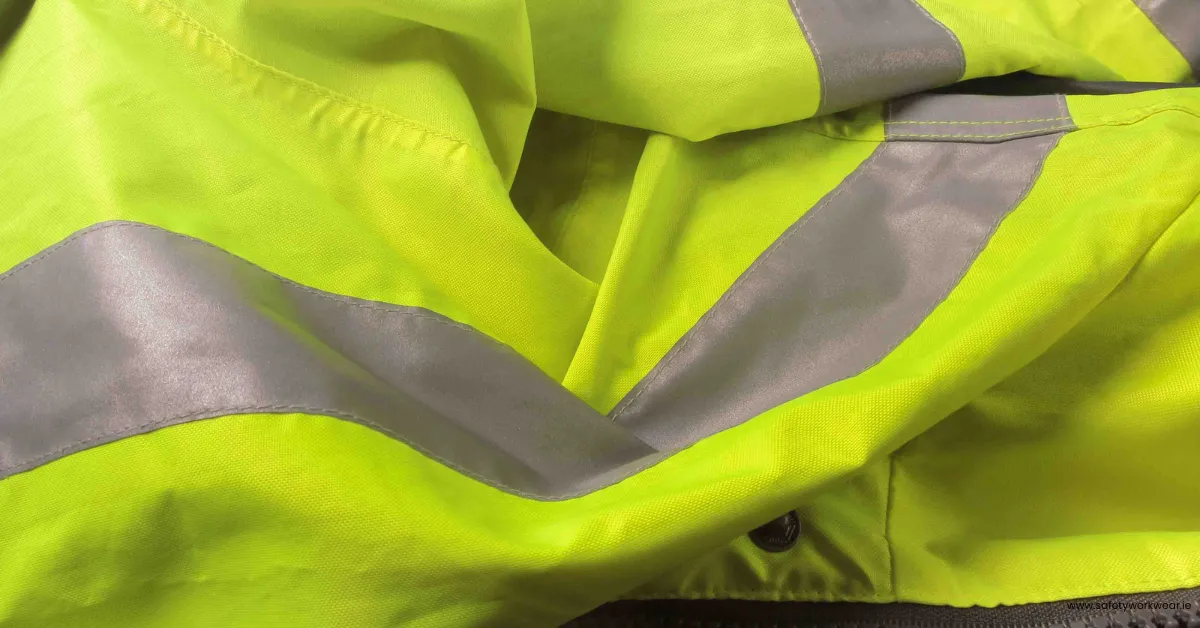

High-visibility clothing is categorised into three classes, based on the level of visibility they provide:
Class 1: Lower Visibility
Class 1 garments offer the lowest level of visibility and are suitable for off-road activities where there is minimal risk from moving vehicles. These garments are typically used in low-risk environments.
Class 2: Intermediate Visibility
Class 2 garments provide intermediate visibility and are ideal for environments with higher risks, such as construction sites and traffic management areas. These garments offer more visibility than Class 1 and are often worn by workers exposed to moderate traffic speeds.
Class 3: Highest Visibility
Class 3 garments offer the highest level of visibility and are designed for the most hazardous situations. These garments provide maximum visibility and are suitable for workers in high-risk environments, such as highway maintenance and emergency response.
5. Best High-Visibility Colours:
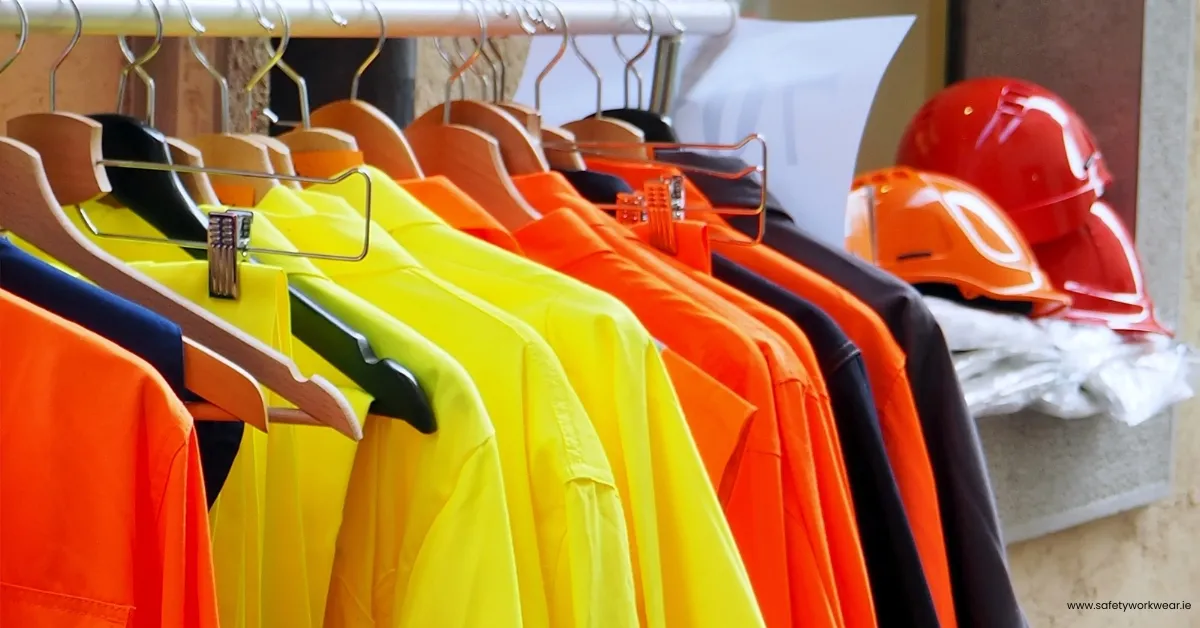
The most effective high-visibility colours are fluorescent yellow-green and fluorescent orange-red. Both colours are highly visible in various lighting conditions.
Fluorescent Yellow-Green
This colour is highly visible during both the day and at night. It stands out against most backgrounds, making it an excellent choice for high-visibility clothing.
Fluorescent Orange-Red
This colour is also highly visible and is frequently used in roadwork and traffic management. It is easily noticeable against various backgrounds and in different lighting conditions.
Both colours are effective, but the choice may depend on the specific environment and personal preference.
6. When to Wear a High-Visibility Vest and Who Should Wear It:

High-visibility vests should be worn in any situation where increased visibility is necessary:
Specific Job Roles
Workers in construction, roadwork, traffic management, and warehouse operations should wear high-visibility vests to ensure they are easily seen by others.
Situations Demanding Additional Visibility
Hi-vis vests are also essential during night shifts, adverse weather conditions, or any situation where visibility is reduced. Emergency responders, including police officers, firefighters, and paramedics, should also wear these vests to remain visible in chaotic environments.
7. How Often to Replace High-Visibility Clothing?

High-visibility clothing should be replaced regularly to maintain its effectiveness:
Signs of Wear and Tear
If the garment shows signs of wear and tear, such as fraying fabric or damaged reflective strips, it should be replaced immediately.
Fading of Colours and Reflective Strips
Over time, the colours and reflective strips on high-visibility clothing can fade, reducing their effectiveness. It is important to replace the clothing once the visibility properties diminish.
General Guidelines on Replacement Frequency
As a general rule, high-visibility clothing should be inspected regularly and replaced every six months to a year, depending on the level of use and the working conditions.
Conclusion
High-visibility clothing is an essential component of workplace safety. By making workers more visible, it helps prevent accidents and saves lives. Whether in construction, roadwork, or emergency response situations, wearing high-visibility garments is a simple yet effective way to enhance safety and protect lives. Regularly inspecting and replacing high-visibility clothing ensures it remains effective, providing maximum protection for those who need it most.
Stay informed, stay protected, and always prioritise safety!
Don’t forget to explore our extensive range of Hi-Vis Clothing & Safety Workwear to ensure your protection on the job. For more valuable safety tips and product insights, visit our blog. If you have any questions or need assistance, feel free to contact us at: customerservices@safetyworkwear.ie
Steel Toe vs. Composite Toe Safety Boots: Which One is Right for You?
When it comes to safety footwear, the debate between steel toe and composite toe boots often sparks heated discussions among workers. Steel toes are renowned for their undeniable strength and durability, able to withstand heavy impacts with ease. However, composite toe boots offer a lightweight alternative without compromising on protection. It's essential to consider your specific work environment and needs when making this decision.
While steel toes have long been the go-to choice for many industries, composite toes have gained popularity due to their non-metallic composition that is often preferred in certain workplaces. Beyond their protective qualities, composite toes also offer insulation against extreme temperatures, making them a versatile option for varying work conditions. So let's dive into the world of safety boots to help you make a well-informed decision that fits your specific needs!
Material Composition
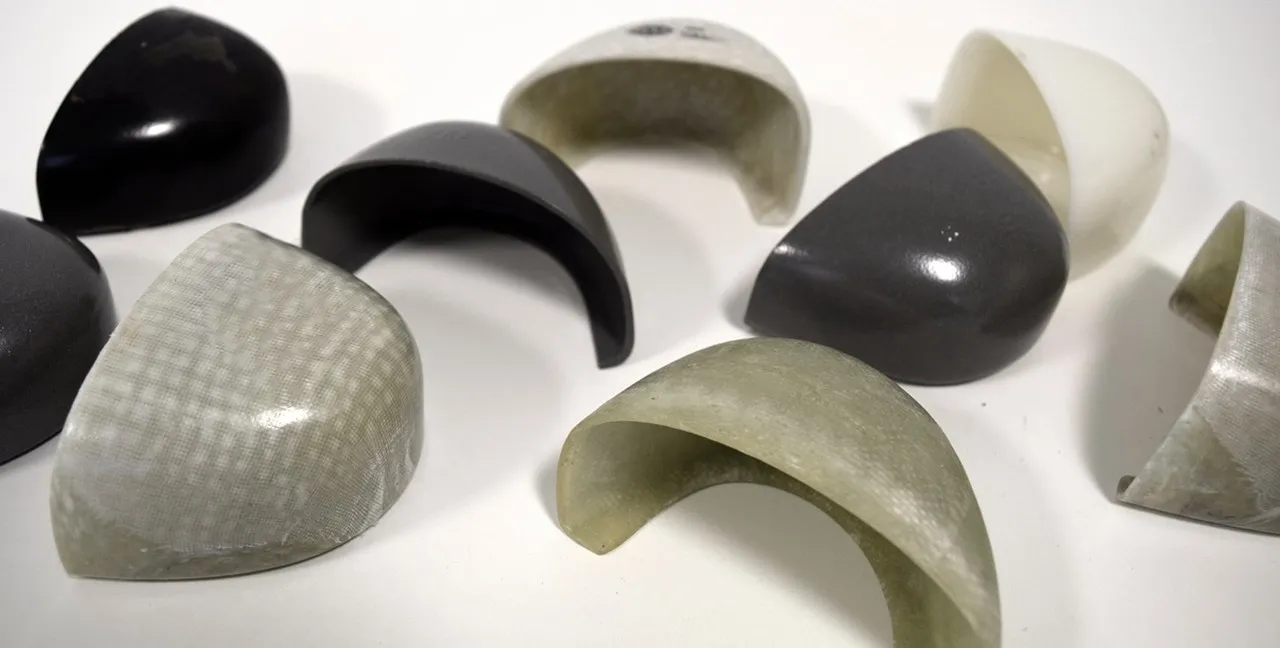

Steel toe boots provide robust protection against impact and compression with their tough steel toe cap. On the other hand, composite toe boots use materials like Kevlar or fiberglass to offer reliable protection without the extra weight of steel. Additionally, composite toes are non-conductive and won't set off metal detectors, making them suitable for various work environments.
Comfort

Some prefer the weight and perceived durability of steel toes, while others opt for the lighter feel of composite toes for long work hours. Comfort is essential when selecting safety footwear, as it impacts productivity and well-being. Advances in composite materials have made them just as strong as traditional steel options, challenging the notion that heavier means stronger.
Temperature Resistance


Have you ever wondered how the type of toe in your work boots could impact your comfort in extreme temperatures? Steel toes, while renowned for their durability and protection, can be a double-edged sword when it comes to temperature resistance. Due to steel’s thermal conductivity properties, steel toe boots can become uncomfortably hot or cold in extreme weather conditions. On the other hand, composite toes offer a more insulated alternative, providing better protection against temperature extremes.
The next time you're gearing up for a long day on the job site, consider how temperature resistance plays a role in your choice of safety footwear.
Metal Detector Friendliness

Metal detector friendliness has become a key factor in workwear choices, especially for those working in security-sensitive areas. The rise of composite toe boots, with their non-metallic composition, has provided a practical solution to this issue. Unlike traditional steel toe boots that often trigger alarms when passing through metal detectors.This innovation not only ensures smooth passage through security checkpoints but also enhances overall convenience and efficiency for workers.
While steel toe boots have been renowned for their durability and protective qualities, the inconvenience they pose at metal detectors has sparked a shift towards composite alternatives. These non-metallic boots maintain the same level of strength and safety while eliminating the hassle of constantly setting off alarms. As more industries prioritize security measures, the popularity of composite toe boots is on the rise, catering to professionals who require both reliability and ease of movement in their work environments.
Durability


When it comes to durability, steel toe boots are the undisputed champions. Their reputation for toughness and longevity is well-deserved, making them a popular choice for those who need footwear that can stand up to tough conditions. On the other hand, while composite toe boots also boast impressive durability, they may not quite match the robustness of their steel counterparts. This slight difference in lifespan is something to consider when choosing between the two options.
Cost


Steel toe boots are typically more budget-friendly than composite toe options. However, composite toe boots may come at a higher price due to advanced materials like Kevlar or carbon fiber.
Industry Applications

Steel toe boots have been a staple in heavy industries like construction and mining for decades. However, industries are increasingly turning to composite toe boots for their lightweight nature and non-metallic composition. Composite toes offer advantages in environments where conductivity or metal detection is a concern, as well as better temperature resistance.
In conclusion, when choosing between steel toe safety boots and composite toe safety boots, it's essential to consider your specific job requirements, comfort preferences, and workplace hazards. Whether you need heavy-duty protection or a lighter alternative, both options offer reliable safety features to keep you safe on the job.
Stay informed, stay protected, and always prioritise safety!
Don't forget to explore our extensive range of Safety Footwear & Safety Shoes & Trainers to ensure your protection on the job. For more valuable safety tips and product insights, visit our blog. If you have any questions or need assistance, feel free to reach out to us at: customerservices@safetyworkwear.ie
Busting PPE Myths: The Truth Behind Your Safety Gear
Personal Protective Equipment (PPE) is essential for ensuring safety in many workplaces, from construction sites to laboratories. However, despite its importance, there are several myths and misconceptions about PPE that can lead to improper usage and decreased safety. This guide will address these myths and provide crucial information about PPE regulations in Ireland, the lifespan of PPE, common types of PPE, maintenance and storage guidelines, and best practices for selecting the appropriate PPE for different tasks.
What Regulations Apply to PPE in Ireland?

In Ireland, PPE is regulated to ensure that it meets certain safety standards. The key regulations include:
-
Safety, Health and Welfare at Work Act 2005: This act requires employers to ensure the safety, health, and welfare of their employees, which includes providing appropriate PPE.
-
European Union (Personal Protective Equipment) Regulations 2018: These regulations ensure that PPE placed on the market complies with basic health and safety requirements and bears the CE mark, indicating conformity.
Employers must perform risk assessments to identify hazards and determine the necessary PPE. They are also responsible for providing training on the correct use and maintenance of PPE.
Myth 1: PPE Is Uncomfortable and Reduces Productivity

One of the most persistent myths about PPE is that it’s uncomfortable and hinders productivity. While it’s true that early designs of PPE may have been bulky or uncomfortable, modern advancements have led to PPE that is both comfortable and functional. Today’s PPE is designed with ergonomic features, breathable materials, and adjustable fittings to ensure maximum comfort. When properly fitted, PPE should not impede your ability to work but rather enhance your productivity by keeping you safe and focused.
Myth 2: If You're Careful, You Don’t Need PPE
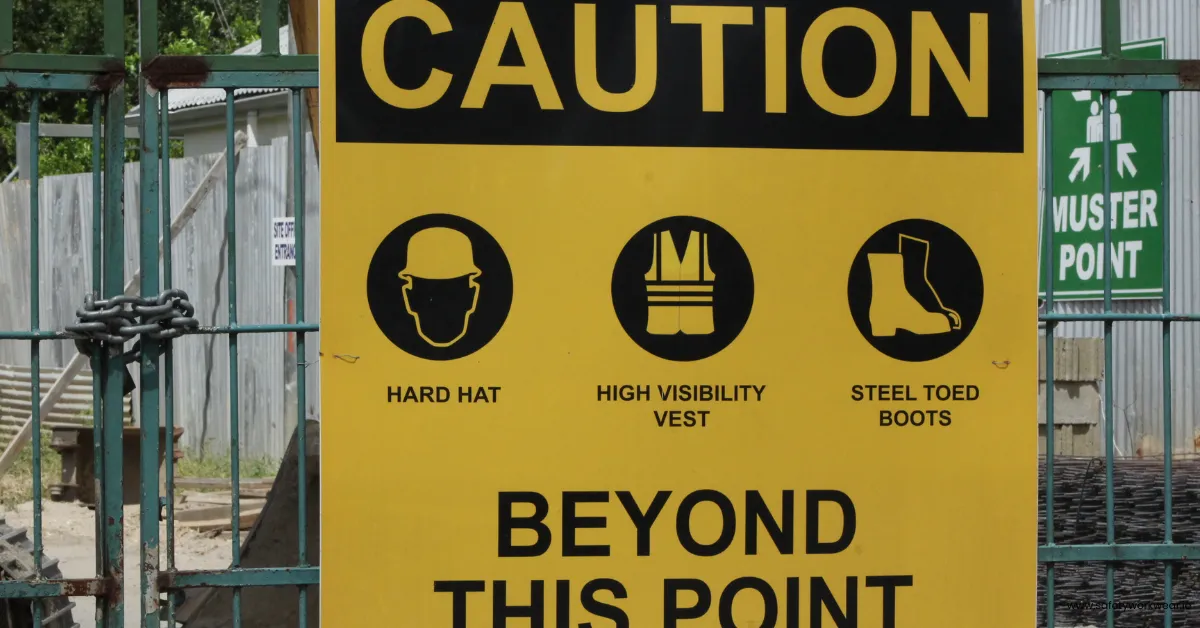
Many believe that being cautious is enough to prevent workplace accidents, rendering PPE unnecessary. However, no matter how careful you are, accidents can still happen. PPE acts as the last line of defense against unforeseen hazards. For example, even the most vigilant worker might encounter unexpected debris or chemical splashes that PPE can protect against.
Myth 3: All PPE Is the Same

Another common misconception is that all PPE offers the same level of protection. In reality, PPE is specifically designed to protect against certain hazards. For example, safety goggles protect against flying particles and chemical splashes, while a face shield offers protection against more significant impacts. It’s crucial to select the appropriate PPE for the specific hazards present in your work environment.
Myth 4: PPE Is Only Necessary for High-Risk Jobs
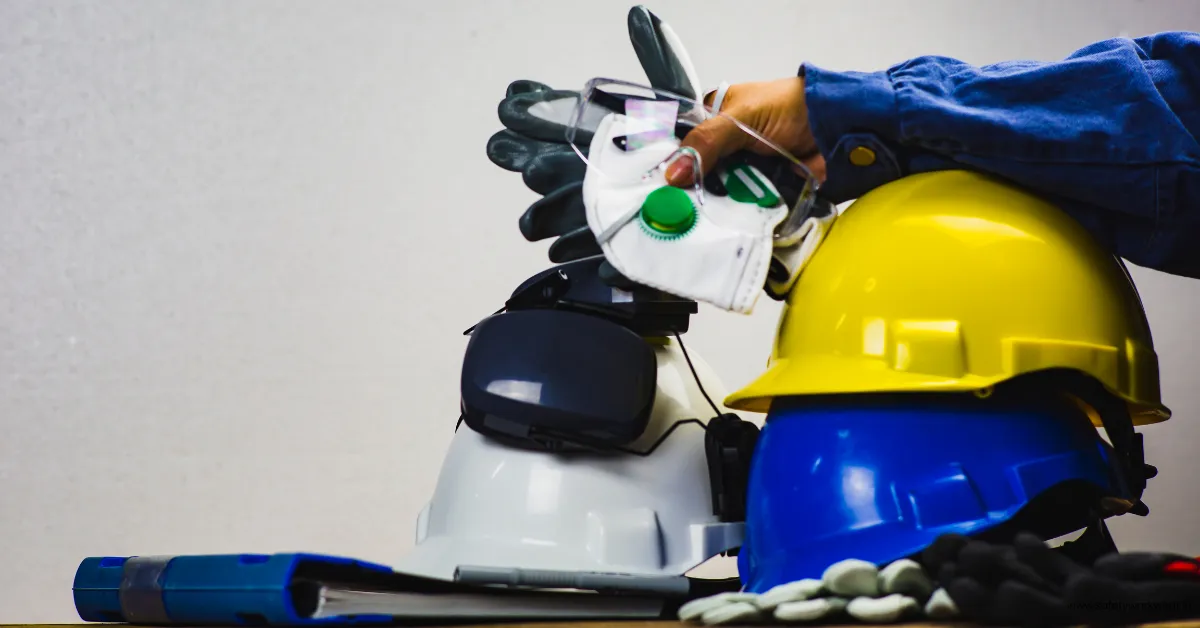
Some workers believe that PPE is only essential for high-risk occupations like construction or firefighting. However, PPE is important in a wide range of jobs. Office workers might need ergonomic supports, while healthcare workers require gloves and masks to prevent the spread of infections. Every workplace has its own set of hazards, and PPE is designed to mitigate these risks, no matter the industry.
Myth 5: PPE Is a One-Size-Fits-All Solution

Many think that PPE is one-size-fits-all, which can lead to improper usage and reduced protection. PPE must be properly fitted to each individual to ensure maximum effectiveness. Ill-fitting PPE can be uncomfortable and may not provide the intended protection, increasing the risk of injury. Employers should provide proper training and fitting sessions to ensure that all workers have PPE that fits correctly.
Myth 6: PPE Can Be Worn Indefinitely Without Replacement

There’s a misconception that PPE, once provided, can be used indefinitely. In reality, PPE has a limited lifespan and must be regularly inspected and replaced as needed. For instance, hard hats should be replaced every five years or sooner if they sustain damage. Disposable items like gloves and masks should be replaced after each use. Regular maintenance and timely replacement of PPE are crucial for maintaining its protective capabilities.
Myth 7: PPE Is Only for Personal Protection

While PPE is primarily designed to protect the wearer, it also plays a crucial role in protecting others. For example, masks and gloves in healthcare settings prevent the spread of infections to patients and colleagues. In industrial settings, wearing the correct PPE can prevent accidents that could harm co-workers. Thus, PPE is not only about individual safety but also about maintaining a safe environment for everyone.
Understanding the truth behind these common myths about PPE is essential for ensuring safety in the workplace. By debunking these misconceptions, we can promote better usage and appreciation of PPE, leading to safer and more productive work environments. Always remember, PPE is an investment in your health and safety, and using it correctly is key to preventing injuries and accidents.
Additional tips to keep in mind:
What Is the Lifespan of Different Types of PPE?

The lifespan of PPE varies depending on the type, usage, and maintenance. Here’s a general guide:
-
Head & Face Protection such as Helmets and Hard Hats: Up to 5 years. Replace sooner if damaged.
-
​Safety Glasses and Goggles: 2-3 years. Replace if scratched or damaged.
-
Ear Protection: Disposable earplugs after each use; reusable ones can last several months.
-
Respirators and Masks: Disposable masks after each use; reusable respirators’ filters need changing every 30-60 hours of use.
-
Gloves: Disposable gloves after each use; reusable gloves last a few weeks to months.
-
Protective Clothing: Disposable after single use; reusable clothing lasts several months to a year.
-
Safety Footwear: 6-12 months depending on usage.
PPE Maintenance and Storage Guidelines
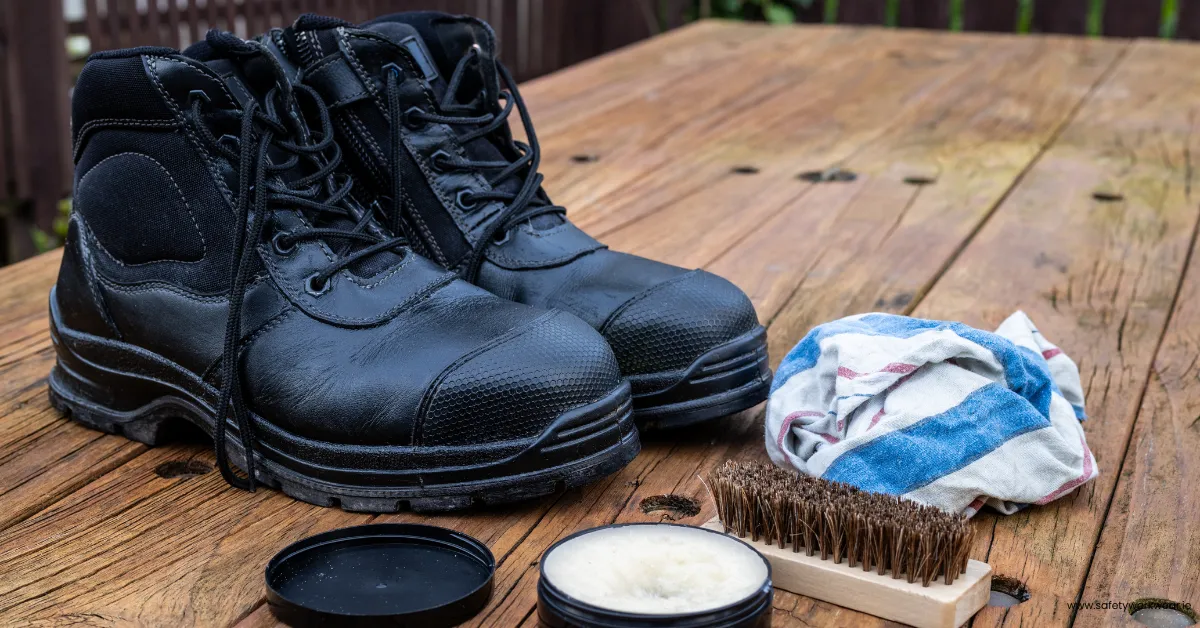
Proper maintenance and storage of PPE are crucial to ensure its effectiveness. Here are some guidelines:
-
Inspect Regularly: Check PPE before and after use for any signs of wear or damage.
-
Clean Properly: Follow manufacturer instructions for cleaning to avoid damaging the protective qualities.
-
Store Correctly: Keep PPE in a clean, dry place away from direct sunlight and chemicals.
-
Replace When Necessary: Don’t delay replacing PPE that shows signs of wear or damage.
What Are the Best Practices for Selecting the Appropriate PPE for Different Tasks?
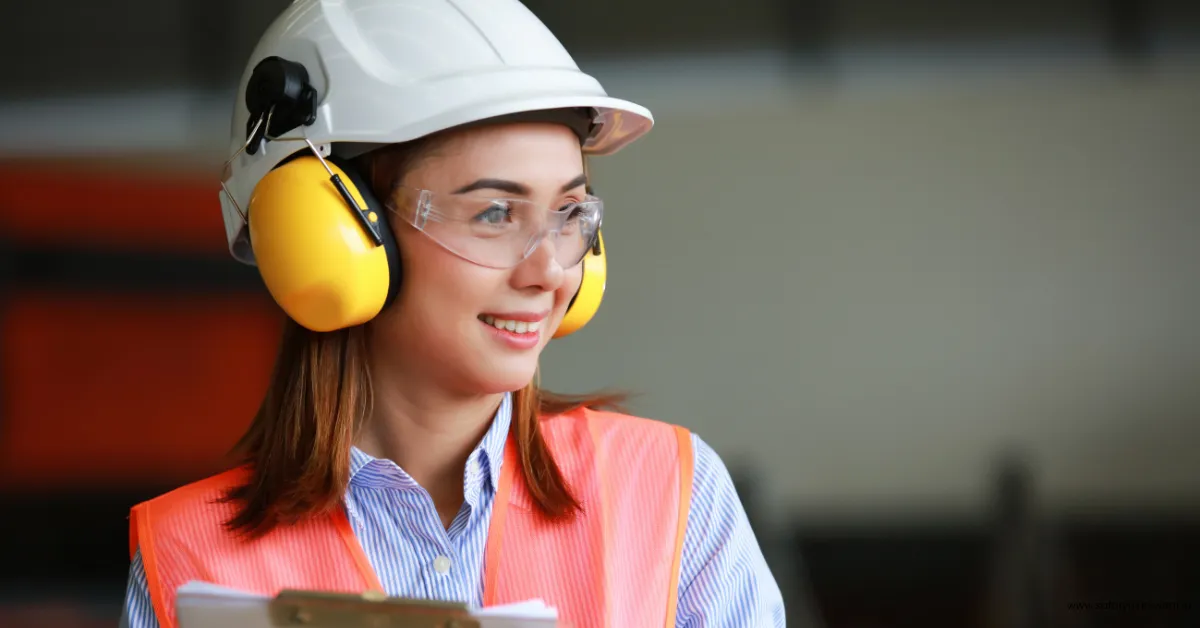
Selecting the right PPE involves considering the specific hazards of the task. Best practices include:
-
Conducting Risk Assessments: Identify potential hazards and determine the necessary PPE.
-
Consulting Standards and Regulations: Ensure the PPE meets regulatory standards.
-
Fitting and Comfort: Choose PPE that fits well and is comfortable to wear.
-
Training and Education: Provide training on the correct use, maintenance, and limitations of the PPE.
-
Reviewing and Updating PPE Regularly: Regularly review and update PPE to ensure it continues to provide adequate protection.
Ready to upgrade your safety gear? Check out our extensive range of PPE options on our website and ensure you’re protected with the best.
Stay informed, stay protected, and always prioritise safety!
Don't forget to explore our extensive range of Safety PPE to ensure your protection on the job. For more valuable safety tips and product insights, visit our blog. If you have any questions or need assistance, feel free to reach out to us at: customerservices@safetyworkwear.ie